 August 2025 in “Fabad Journal of Pharmaceutical Sciences”
 Cuscuta reflexa has potential medicinal benefits but needs more research for clinical use.
 July 2025 in “Archives of Toxicology”
 The new skin model can predict how chemicals might cause skin allergies.
 July 2025 in “International Journal of Dermatology Venereology and Leprosy Sciences”
 Higher stress levels may worsen alopecia areata, suggesting stress management is important for treatment.
 January 2025 in “Open Life Sciences”
 Overexpression of the HE4 gene in mice causes eye inflammation and cloudiness.
January 2025 in “Multimedialen Archiv und Publikationsserver der Christian-Albrechts-Universität zu Kiel (Christian-Albrechts-Universität zu Kiel)” Oxidized LDL reduces cell growth but affects stem cell differentiation less negatively than cytokine-induced inflammation.
 December 2024 in “Journal of Population Therapeutics and Clinical Pharmacology”
 Psoriasis worsens in winter in India due to less sunlight and dry skin, needing personalized treatment.
 October 2024 in “Journal of Education Health and Sport”
 Alopecia areata treatment should be personalized, using topical or systemic therapies based on severity, with promising options like JAK inhibitors needing more research.
 September 2024 in “South Eastern European Journal of Public Health”
 Alopecia areata patients have higher IgE and IL-13 levels, suggesting immune involvement.
 September 2024 in “Archives of Medical Science”
 Alopecia areata is linked to immune system differences, with specific biomarkers like CXCL9 and CXCL10 being key for diagnosis and potential treatment targets.
 July 2024 in “Journal Of Stem Cell Research”
 Mesenchymal stem cells improve skin appearance and structure in dermatology and aesthetic medicine.

Gender-specific analysis could improve treatment for childhood systemic lupus erythematosus.
New treatments for skin conditions show promise, especially Coacillium® for hair growth in young people with alopecia areata.

New insights into cell communication in psoriasis suggest innovative drug treatments.
 January 2024 in “Deleted Journal”
 Essential oils may help hair health but lack strong scientific proof and can cause allergic reactions.
 January 2024 in “Frontiers in immunology”
 Histone modification is key in treating chronic inflammatory skin diseases.
 January 2024 in “Asthma Allergy Immunology”
 Innate lymphoid cells help us understand and manage allergic diseases better.
 December 2023 in “bioRxiv (Cold Spring Harbor Laboratory)”
 Aged individuals heal wounds less effectively due to specific immune cell issues.
 December 2023 in “International journal of multidisciplinary research and analysis”
 SH-MSCs gel can effectively treat alopecia by increasing IL-10 and decreasing TNF-α gene expression.
 November 2023 in “Klìtinna ta organna transplantologìâ”
 MSC-derived exosomes can help treat COVID-19, hair loss, skin aging, and arthritis.
 November 2023 in “Frontiers in pharmacology”
 Drug repositioning offers hope for new, affordable treatments for a genetic skin disorder called ARCI.
 October 2023 in “bioRxiv (Cold Spring Harbor Laboratory)”
 A protein called EGFR protects hair follicle stem cells, and when it's disrupted, hair follicles can be damaged, but blocking certain pathways can restore hair growth.
 June 2023 in “Dermatology and therapy”
 The Middle East and Africa need better data, treatment consensus, and support for Alopecia Areata.
 January 2023 in “Discovery immunology”
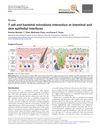
 T cells and bacteria in the gut and skin help maintain health and protect against disease.
 January 2023 in “Malaysian Journal of Medical Research”
 Early and proper treatment is crucial for children with allergic conjunctivitis to avoid complications.
 December 2022 in “Research Square (Research Square)”
 Key genes linked to immune response are upregulated in hair follicles and skin tissues in chronic discoid lupus erythematosus.
 October 2022 in “Research Square (Research Square)”
 Key genes linked to immune response are highly active in lupus-affected hair follicles.
 September 2022 in “Dermatology and therapy”
 Contact immunotherapy might help treat various skin conditions, but more research is needed to confirm its safety and effectiveness.
 June 2022 in “bioRxiv (Cold Spring Harbor Laboratory)”
 ILC1-like cells can cause alopecia areata by attacking hair follicles.
Vitamin D is crucial for skin health and managing skin diseases.
 January 2022 in “Al-Azhar Medical Journal”
 Higher antigliadin antibody levels are linked to alopecia areata severity.