October 2025 in “Science Advances” IFN-γ production by CD4 T cells is crucial for causing alopecia areata.
October 2025 in “International Journal of Dermatology” JAK inhibitors may help treat certain types of hair loss, but more research is needed.
July 2024 in “Journal of Investigative Dermatology” Sex and race affect immune responses and treatment outcomes in Hidradenitis suppurativa.
 December 2023 in “Journal of Cutaneous Immunology and Allergy”
 A man developed myasthenia gravis after alopecia areata, and treatment improved his symptoms and stopped hair loss.
 April 2023 in “Journal of Investigative Dermatology”
 Booster shots of mRNA vaccines for COVID-19 increased protective antibodies without worsening autoimmune skin conditions in patients.
 April 2023 in “The journal of investigative dermatology/Journal of investigative dermatology”
 People with alopecia areata have fewer IL-10 producing immune cells, which might contribute to the condition.
August 2021 in “The journal of investigative dermatology/Journal of investigative dermatology” TAGX-0003 protected hair follicles and reversed alopecia areata in a mouse model.
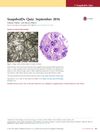 August 2016 in “Journal of Investigative Dermatology”
 Scalp psoriasis features reversible hair loss and specific immune activation, with no significant hair follicle damage.
January 2014 in “Journal of Jilin University” Higher levels of certain immune cells and proteins are linked to more severe lupus symptoms.
 January 2011 in “International Journal of Trichology”
 The document concludes that doctors should recognize congenital triangular alopecia to avoid unnecessary treatments, as it does not respond to steroids like alopecia areata does.