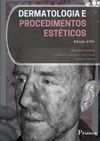
 October 2025 in “Editora Pasteur eBooks”
 Peptides improve skin health and treatments for hair loss and pregnancy-related skin issues are evolving.
 January 2023 in “Discovery immunology”
 T cells and bacteria in the gut and skin help maintain health and protect against disease.
Vaccination is crucial for public health, but anti-vaccine movements are a concern.
Diet and supplements can significantly affect acne, with some foods and nutrients reducing and others worsening it.
 2 citations
,
August 2022 in “Emergency medicine international”
2 citations
,
August 2022 in “Emergency medicine international” Keloid skin disorder involves abnormal fibroblast activation and immune response, linked to a group of genes including FGF11.
 25 citations
,
July 2013 in “Actas Dermo-Sifiliográficas”
25 citations
,
July 2013 in “Actas Dermo-Sifiliográficas” Acitretin is effective for severe psoriasis and can be used long-term due to no immunosuppression, but must be carefully monitored for side effects and is not for pregnant women.
 3 citations
,
April 2019 in “Journal of Dermatological Treatment”
3 citations
,
April 2019 in “Journal of Dermatological Treatment” Caffeine shows promise for treating some types of hair loss, but more research is needed.
 January 2024 in “International journal of pharmaceutical sciences review and research”
 Indian jujube has many medicinal properties and can help treat ailments like diabetes, inflammation, and cancer.
 April 2026 in “Journal of Inflammation Research”
 Alopecia areata and atopic dermatitis share immune system issues, and treatments like JAK inhibitors can help both.
 September 2023 in “Nature Communications”
 Immune cells are essential for skin regeneration using biomaterial scaffolds.
107 citations
,
October 2022 in “Frontiers in Immunology” T cells and inflammation are crucial in atherosclerosis, with anti-inflammatory treatments showing promise.
9 citations
,
May 2023 in “Stem Cell Research & Therapy” Stem cell treatment from umbilical cords reduces symptoms of atopic dermatitis and may help hair growth.
 August 2025 in “Frontiers in Microbiology”
 Microneedling, especially with halometasone, improves hair regrowth and gut health in alopecia areata.
December 2025 in “International Journal of Molecular Sciences” Exosome-based therapies show promise for treating alopecia areata but need more research.
1 citations
,
May 2017 in “InTech eBooks” New treatments focusing on immune pathways show promise for stubborn hair loss.
15 citations
,
January 2022 in “Immune Network/Immune network” New targeted immunotherapies are improving treatment for inflammatory skin diseases.
8 citations
,
August 2025 in “Journal of Translational Medicine” CD44 signaling can help heal wounds without scars.
 4 citations
,
November 2022 in “Frontiers in Immunology”
4 citations
,
November 2022 in “Frontiers in Immunology” Lung and liver macrophages protect our tissues and their dysfunction can cause various diseases.
 May 2026 in “International Journal of Molecular Sciences”
 Chemotherapy-induced hair loss may be linked to immune system changes, and certain treatments could help but need careful use.
February 2026 in “Molecular and Cellular Probes” Stem cell and plant exosomes may help heal and regenerate skin.
4 citations
,
August 2024 in “Journal of Clinical Medicine” COVID-19 mRNA vaccines may increase the risk of flare-ups in certain inflammatory diseases.
 February 2026 in “International Journal of Molecular Sciences”
 3D human skin models show promise for dermatology but face challenges in standardization and cost.
July 2025 in “Nano Research” Nanotechnology can improve tissue healing by controlling immune responses.
October 2024 in “Frontiers in Immunology” Pertussis toxin may contribute to hair loss in alopecia areata.
17 citations
,
May 2022 in “Frontiers in Immunology” Reprogramming macrophages to resolve inflammation can help reduce severe COVID-19 complications.
14 citations
,
September 2021 in “Journal of Inflammation Research” Alopecia areata patients, especially women with nail issues or atopic diseases, are at higher risk for other autoimmune diseases.
2 citations
,
November 2025 in “International Journal of Molecular Sciences” Balancing good and harmful microbes is key to healing chronic wounds.
 June 2024 in “Frontiers in immunology”
 Sequential therapy with dupilumab and baricitinib improved hair regrowth and atopic dermatitis in a child without adverse reactions.
16 citations
,
January 2025 in “Burns & Trauma” Nanomedicine-based immunotherapy shows promise in improving tissue repair and regeneration.
128 citations
,
January 2023 in “Frontiers in Endocrinology” Individualized treatment and support can help most couples with recurrent implantation failure achieve pregnancy.