7 citations
,
January 2008 in “Indian Journal of Dermatology” Pigmentary mosaicism causes skin color changes and can affect multiple body systems, but has no cure.
54 citations
,
January 1995 in “Human Molecular Genetics” Monilethrix is linked to a gene cluster on chromosome 12.
November 2025 in “Figshare” SQSTM1 is linked to increased risk of alopecia areata.
 November 2025 in “Cermin Dunia Kedokteran”
 A 16-year-old girl with autoimmune hemolytic anemia and deep vein thrombosis improved with treatment, possibly indicating systemic lupus erythematosus.
 February 2022 in “Journal of Armed Forces Medical College”
 The patient with autoimmune hypothyroidism improved after treatment for thyroid and associated conditions.
98 citations
,
July 1983 in “Journal of Steroid Biochemistry” Individuals with this condition often develop male traits and identities at puberty despite being raised as females.
3 citations
,
June 2002 in “PubMed” Two sisters with Netherton's syndrome had skin and hair issues, needing special diet and ointments.
70 citations
,
February 2009 in “Biological Trace Element Research”  54 citations
,
April 2010 in “Baillière's best practice and research in clinical endocrinology and metabolism/Baillière's best practice & research. Clinical endocrinology & metabolism”
54 citations
,
April 2010 in “Baillière's best practice and research in clinical endocrinology and metabolism/Baillière's best practice & research. Clinical endocrinology & metabolism” Impaired androgen production in 46,XY DSDs causes ambiguous genitalia and requires long-term care.
26 citations
,
April 2011 in “British Journal of Dermatology” New mutations in the DSG4 gene cause a rare hair condition.
 September 2017 in “Majallah-i taḥqīqāt-i ̒ulūm-i pizishkī-i Zāhidān”
 Androgenetic alopecia is a long-term, immune-related disorder that starts during puberty due to androgen secretion, and it might be improved with iron tablets, platelet transfusion, and anti-inflammation therapy.
 January 2020 in “Przegla̧d dermatologiczny”
 A 5-year-old boy was diagnosed with congenital triangular alopecia, a type of hair loss without skin changes, usually starting between ages 2-5, with no specific treatment.
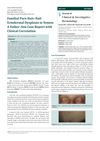 January 2026 in “Journal of Clinical and Investigative Dermatology”
 A father and son in Yemen have a genetic condition causing hair loss and nail problems.
12 citations
,
April 2017 in “Experimental and Therapeutic Medicine” Patients with severe active alopecia areata have lower CD200 expression and an imbalance in their immune system.
20 citations
,
October 2005 in “Archives of Dermatological Research”  January 2023 in “Revista Paulista de Pediatria”
 A Brazilian male with IFAP syndrome has a unique genetic variant causing his condition.
 January 2011 in “Journal of Human Genetics”
 A Japanese patient with a rare genetic disorder had a less severe case than others, suggesting other factors may affect symptoms.
3 citations
,
April 2025 in “Science Advances” Loss of Ten1 in mice causes telomere shortening and symptoms similar to human dyskeratosis congenita.
37 citations
,
August 1999 in “Journal of Investigative Dermatology” A specific gene mutation causes complete hair loss without other health issues.
 January 2024 in “Archives of Endocrinology and Metabolism”
 A new gene mutation causes insulin resistance in a girl and her mother.
 April 2023 in “The journal of investigative dermatology/Journal of investigative dermatology”
 Lack of TG2 increases fat storage and lowers cell cleanup in skin oil cells.

Early diagnosis and management of Sheehan's syndrome are crucial for improving quality of life and fertility.
19 citations
,
June 2020 in “BMC Cancer” Trichilemmal carcinoma shares genetic changes with other skin cancers, suggesting similar causes and potential treatments.
 March 2023 in “European journal of internal medicine”
 The patient's long-term symptoms were due to Sheehan's syndrome, which improved with hormone therapy.
 October 2024 in “Journal of the Endocrine Society”
 Acute illnesses like sepsis can disrupt thyroid hormone balance without central hypothyroidism.
 13 citations
,
January 2011 in “International Journal of Trichology”
13 citations
,
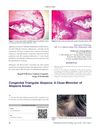
January 2011 in “International Journal of Trichology” CTA is often mistaken for AA but doesn't respond to steroids and may require hair transplantation.
54 citations
,
November 1995 in “The Journal of Clinical Endocrinology & Metabolism” Females with 5 alpha-reductase-2 deficiency have less body hair, no acne, normal fertility, and delayed menarche.
15 citations
,
February 2015 in “Anais brasileiros de dermatologia/Anais Brasileiros de Dermatologia” Dermoscopy helps accurately diagnose temporal triangular alopecia, avoiding unnecessary treatments.
 7 citations
,
January 2012 in “International Journal of Trichology”
7 citations
,
January 2012 in “International Journal of Trichology” Two siblings both had a rare case of alopecia areata at the same time.
18 citations
,
January 2018 in “BMC dermatology” A new mutation in the PLEC gene causes a rare condition with skin blistering, muscle weakness, and hair loss.