 62 citations
,
July 1993 in “Journal of Investigative Dermatology”
62 citations
,
July 1993 in “Journal of Investigative Dermatology” Hair growth is influenced by interactions between skin layers, growth factors, and hormones, but the exact mechanisms are not fully understood.
 10 citations
,
November 2015 in “Elsevier eBooks”
10 citations
,
November 2015 in “Elsevier eBooks” Modern wound dressings like hydrocolloids, alginates, and hydrogels improve healing and are cost-effective.
 4 citations
,
November 2012 in “Dermatitis”
4 citations
,
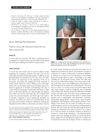
November 2012 in “Dermatitis” A man got severe skin irritation after using marking nut sap for hair loss.
 4 citations
,
November 1968 in “Textile research journal”
4 citations
,
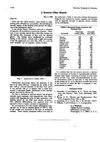
November 1968 in “Textile research journal” Hair fibers may have a unique, non-protein sheath not previously identified.
 3 citations
,
January 2012 in “Elsevier eBooks”
3 citations
,
January 2012 in “Elsevier eBooks” Burn scars form abnormally due to changes in wound healing, and more research is needed to improve treatments.
 2 citations
,
September 2019 in “Dermatologic Surgery”
2 citations
,
September 2019 in “Dermatologic Surgery” The two-step procedure of fat grafting followed by hair grafting improves scalp and facial scar correction.
 1 citations
,
December 2012 in “Dermatologic Surgery”
1 citations
,
December 2012 in “Dermatologic Surgery” Hair transplants can risk reactivating lichen planopilaris, a scarring hair loss condition.
 5 citations
,
June 2012 in “The journal of investigative dermatology/Journal of investigative dermatology”
5 citations
,
June 2012 in “The journal of investigative dermatology/Journal of investigative dermatology” Putting thymidine dinucleotide on newborn mice's skin can delay and reduce skin cancer.
 April 2023 in “Journal of Investigative Dermatology”
 Keeping human skin stem cells is easier with low temperatures and mTOR inhibition.
 92 citations
,
January 1999 in “Physics in Medicine and Biology”
92 citations
,
January 1999 in “Physics in Medicine and Biology” Skin can be cooled quickly and safely during laser treatments to protect it without affecting deeper layers.
 3 citations
,
January 2009 in “Sen'i Gakkaishi”
3 citations
,
January 2009 in “Sen'i Gakkaishi” Using both TGA and DTDG in hair straightening reduces hair damage compared to using TGA alone.
 May 2025 in “Plastic & Reconstructive Surgery Global Open”
 Photothermal biomodulated PRP extends hair graft viability by 2 hours compared to standard solutions.
 150 citations
,
June 2014 in “Biomaterials”
150 citations
,
June 2014 in “Biomaterials” Peptide hydrogels heal burn wounds faster and better than standard dressings.
 2 citations
,
May 2021 in “bioRxiv (Cold Spring Harbor Laboratory)”
2 citations
,
May 2021 in “bioRxiv (Cold Spring Harbor Laboratory)” A special foam called EG7 PTK-UR helps heal skin wounds better than other similar materials, working as well as a top-rated product and better than a polyester foam.
 May 2025 in “Experimental Dermatology”
 Triphenylphosphine oxide can increase oil production and reduce inflammation in skin cells without affecting TRPM5.
 May 2017 in “Journal of The American Academy of Dermatology”
 An intact skin barrier is crucial to prevent infection in cases of tether-induced tenosynovitis.
April 2026 in “Future Medicinal Chemistry” PROTACs have become a breakthrough in medicine by effectively targeting and degrading specific proteins to treat diseases.
May 2026 in “Materials Today Bio” The nanocomplex protects hair from UV damage and strengthens it.
17 citations
,
October 2012 in “European Journal of Pharmacology” Toluene lowers body temperature through different mechanisms depending on the concentration.
 150 citations
,
April 1999 in “Dermatologic Clinics”
150 citations
,
April 1999 in “Dermatologic Clinics” Laser hair removal effectiveness depends on targeting hair structures without harming the skin, and improvements require more research and expert collaboration.
 64 citations
,
November 2012 in “EMBO reports”
64 citations
,
November 2012 in “EMBO reports” Lamins are vital for cell survival, organ development, and preventing premature aging.
 42 citations
,
February 2021 in “Signal Transduction and Targeted Therapy”
42 citations
,
February 2021 in “Signal Transduction and Targeted Therapy” Hair follicle regeneration possible, more research needed.
 39 citations
,
November 1987 in “Clinica Chimica Acta”
39 citations
,
November 1987 in “Clinica Chimica Acta” Human platelets change minoxidil to minoxidil sulfate, helping blood vessels widen.
 38 citations
,
November 2016 in “Aaps Pharmscitech”
38 citations
,
November 2016 in “Aaps Pharmscitech” Nanoparticles with more oleic acid improved the delivery and stability of the drug spironolactone.
 36 citations
,
November 2019 in “Molecular biology and evolution”
36 citations
,
November 2019 in “Molecular biology and evolution” Cysteine-rich keratins evolved independently in mammals, reptiles, and birds for hard skin structures like hair, claws, and feathers.
 28 citations
,
April 2008 in “Journal of Inclusion Phenomena and Macrocyclic Chemistry”
28 citations
,
April 2008 in “Journal of Inclusion Phenomena and Macrocyclic Chemistry” Minoxidil mixed with β-cyclodextrin improves solubility and gradual release.
 23 citations
,
September 2011 in “Journal of Dermatological Science”
23 citations
,
September 2011 in “Journal of Dermatological Science” Red LED light helps mouse hair grow by increasing growth factors from skin cells.
 17 citations
,
December 2015 in “International Journal of Cosmetic Science”
17 citations
,
December 2015 in “International Journal of Cosmetic Science” Visible light can improve skin disorders and hair loss, but more research is needed to understand long-term effects.
 13 citations
,
March 2019 in “Journal of cosmetic dermatology”
13 citations
,
March 2019 in “Journal of cosmetic dermatology” Heat damages hair, with Asian hair losing more protein than Caucasian hair.
 9 citations
,
June 2020 in “Animal genetics”
9 citations
,
June 2020 in “Animal genetics” Scientists found genes linked to hair length in Brangus cattle that could help breed heat-tolerant cattle.