1 citations
,
April 2004 in “Cancer” Imatinib mesylate can cause skin lightening, especially in Chinese patients, due to its effect on pigment production.
 46 citations
,
August 1990 in “The Journal of clinical endocrinology and metabolism/Journal of clinical endocrinology & metabolism”
46 citations
,
August 1990 in “The Journal of clinical endocrinology and metabolism/Journal of clinical endocrinology & metabolism” Ketoconazole reduced hair growth and improved acne in women, but caused side effects needing careful monitoring.
Amotosalen-treated donor T-cells can prevent late CMV infection after bone marrow transplants.
 October 2021 in “International journal of basic and clinical pharmacology”
 Excessive eyelash growth from erlotinib may indicate positive tumor response and help treat madarosis.
 13 citations
,
February 2020 in “Journal of the American Academy of Dermatology”
13 citations
,
February 2020 in “Journal of the American Academy of Dermatology” Microneedling and oral tranexamic acid both improve facial melasma, but microneedling shows more sustained benefits.
 2 citations
,
January 1984 in “Progress in neuro-psychopharmacology & biological psychiatry”
2 citations
,
January 1984 in “Progress in neuro-psychopharmacology & biological psychiatry” Benzodiazepines changed hormone levels but did not affect hair growth in women with idiopathic hirsutism.
December 2020 in “Forum Dermatologicum” Intralesional triamcinolone acetonide can effectively limit the progression of GLPLS.
 August 2018 in “bioRxiv (Cold Spring Harbor Laboratory)”
 Existing drugs, including a blood pressure medication, show promise as new treatments for influenza.
1 citations
,
January 2013 in “PubMed” Permanent wave treatment with thioglycolic acid changes hair structure by altering disulfide bonds.
 May 2026 in “Journal of the Egyptian Womenʼs Dermatologic Society”
 Intralesional methotrexate effectively treats patchy alopecia areata by reducing inflammation.
June 2026 in “Journal of Cosmetic Dermatology” Topical phenytoin may safely and effectively improve hair growth in men with androgenetic alopecia.
September 2018 in “PubMed” New strategies like vitamin A and dextromethorphan can help reduce methotrexate side effects and improve patient adherence.
 December 2023 in “Magna Scientia Advanced Research and Reviews”
 The document suggests using trazodone and clomiphene to treat sexual dysfunction caused by post-finasteride syndrome.
March 2019 in “Reactions Weekly”  January 2026 in “Physical Education Health and Social Sciences”
 Combining probiotics, clotrimazole gel, and laser therapy improves treatment for recurrent yeast infections.
 December 2023 in “International journal of multidisciplinary research and analysis”
 SH-MSCs gel can effectively treat alopecia by increasing IL-10 and decreasing TNF-α gene expression.
 2 citations
,
November 2020 in “Der Hautarzt”
2 citations
,
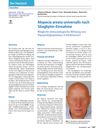
November 2020 in “Der Hautarzt” A patient's hair loss may be linked to their diabetes medication, Sitagliptin.
 November 2020 in “Dubai medical journal”
 Tofacitinib may effectively regrow hair in alopecia totalis patients.
16 citations
,
November 2018 in “Medicinal Chemistry” The compound GD-23 may reduce anxiety like diazepam by targeting the TSPO receptor.
Thymosin β4 helps with healing, inflammation, and organ protection.
13 citations
,
September 2017 in “International Journal of Cosmetic Science” Thioglycerol treatment at pH 9.0 with ammonia causes less hair damage and better waving than thioglycolic acid.
 2 citations
,
May 2021 in “Clinical Pharmacology in Drug Development”
2 citations
,
May 2021 in “Clinical Pharmacology in Drug Development” Clascoterone is safe for the heart, even at high doses.
 July 1996 in “Annals of Internal Medicine”
 Long-term high-dose fluconazole can cause reversible hair loss.
5 citations
,
March 2023 in “PubMed” Advanced therapy medicinal products show promise for vitiligo treatment with fewer side effects, but affordability is a challenge.
 January 2020 in “bioRxiv (Cold Spring Harbor Laboratory)”
 Semecarpus anacardium leaf extracts may offer safe, effective cancer treatment alternatives.
 April 2021 in “Research Square (Research Square)”
 The new cocrystal KET-PABA is a more effective and safe anti-inflammatory treatment for skin conditions in mice.
Neem leaf extract combined with eucalyptus and lemongrass oils can effectively treat Tinea capitis.

Onabotulinum toxin A may help treat trichotillomania and promote hair growth.
13 citations
,
February 2013 in “BMJ Case Reports” Stopping finasteride improved seizure control, suggesting neurosteroids affect seizures and treatment.
 March 2012 in “Journal of The American Academy of Dermatology”
 Temporal triangular alopecia usually starts in early childhood and treatment with Minoxidil has limited effectiveness.