 19 citations
,
December 2008 in “Journal of The American Academy of Dermatology”
19 citations
,
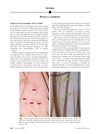
December 2008 in “Journal of The American Academy of Dermatology” The authors suggest that a new type of hair loss exists, which is different from alopecia areata.
5 citations
,
February 2013 in “PubMed” An 11-year-old girl's hair loss was caused by a Cladosporium fungal infection, which was cured with itraconazole treatment.
 September 2014 in “Springer eBooks”
 Aging causes hair to gray and thin, with the timing of graying varying by race, and factors like oxidative stress and genetics can lead to hair loss.
 23 citations
,
April 2006 in “Skin Research and Technology”
23 citations
,
April 2006 in “Skin Research and Technology” The study concluded that a special imaging technique showed women with hair loss have slower hair growth and a faulty hair replacement cycle.
17 citations
,
May 1969 in “American Journal of Physical Anthropology” The silver marmoset's skin is thin, lacks pigment cells, and has unique features like keratinized spines and specialized glands.
 41 citations
,
June 2013 in “PLOS ONE”
41 citations
,
June 2013 in “PLOS ONE” Engineered skin substitutes can grow hair but have limitations like missing sebaceous glands and hair not breaking through the skin naturally.
 2 citations
,
October 2022 in “Journal of structural biology”
2 citations
,
October 2022 in “Journal of structural biology” Older thin hair is not just thinner but also has different shape, structure, and stiffness.
 September 2023 in “Asian journal of beauty & cosmetology”
 Lipids are important for healthy hair, but their exact role is not fully understood and needs more research.
 115 citations
,
August 2008 in “The Journal of Clinical Endocrinology & Metabolism”
115 citations
,
August 2008 in “The Journal of Clinical Endocrinology & Metabolism” Thyroid hormones help hair grow, reduce hair loss, and increase hair pigment.
 30 citations
,
April 2013 in “Journal of Investigative Dermatology”
30 citations
,
April 2013 in “Journal of Investigative Dermatology” Radiation mainly affects keratinocyte stem cells, not melanocyte stem cells, causing hair to gray.
 6 citations
,
June 2013 in “British Journal of Dermatology”
6 citations
,
June 2013 in “British Journal of Dermatology” Intense pulsed light treatment mainly damages pigmented hair parts but spares stem cells, allowing hair to regrow.
 236 citations
,
January 1951 in “Physiological zoology”
236 citations
,
January 1951 in “Physiological zoology” Hair growth and pigmentation in mice involve specific stages crucial for research.
 32 citations
,
December 1969 in “The Lancet”
32 citations
,
December 1969 in “The Lancet” Children with marasmus have more resting hair follicles and thinner, less pigmented hair, showing long-term malnutrition.
 16 citations
,
July 2013 in “The American Journal of Dermatopathology”
16 citations
,
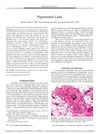
July 2013 in “The American Journal of Dermatopathology” Pigmented casts are common in several hair loss conditions and can help diagnose specific types of alopecia.
 12 citations
,
November 2016 in “International Journal of Women's Dermatology”
12 citations
,
November 2016 in “International Journal of Women's Dermatology” Various hair camouflage options help people with hair loss improve appearance.
 20 citations
,
July 2006 in “Veterinary dermatology”
20 citations
,
July 2006 in “Veterinary dermatology” Melatonin helped some Pomeranian dogs regrow hair, but it wasn't linked to estrogen receptors.
 8 citations
,
November 2022 in “International Journal of Cosmetic Science”
8 citations
,
November 2022 in “International Journal of Cosmetic Science” Human hair varies widely and should be classified by curl type rather than race.
 September 2025 in “Sahel Journal of Life Sciences FUDMA”
 Chemical hair straighteners can severely damage hair and scalp with repeated use.
 109 citations
,
July 1993 in “The journal of investigative dermatology/Journal of investigative dermatology”
109 citations
,
July 1993 in “The journal of investigative dermatology/Journal of investigative dermatology” Hair color production is closely linked to the active growth phase of hair in mice and may also influence hair growth itself.
 2 citations
,
December 2023 in “Royal Society of Chemistry eBooks”
2 citations
,
December 2023 in “Royal Society of Chemistry eBooks” Hair is a complex organ, and understanding its detailed structure and growth phases is crucial for analyzing substances within it.
 146 citations
,
May 2002 in “The American journal of pathology”
146 citations
,
May 2002 in “The American journal of pathology” Cathepsin L is essential for normal hair growth and development.
 11 citations
,
January 2012 in “Journal of cell science”
11 citations
,
January 2012 in “Journal of cell science” Rac1 is essential for proper hair structure and color.
 December 2015 in “Dermatologic Surgery”
 Double trichophytic closure effectively repairs thin scalp scars, reducing financial burden.
 1 citations
,
December 2015 in “Dermatologic Surgery”
1 citations
,
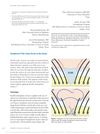
December 2015 in “Dermatologic Surgery” Double trichophytic closure effectively treats thin scalp scars and reduces patient costs.
 5 citations
,
March 2019 in “Scientific Reports”
5 citations
,
March 2019 in “Scientific Reports” The technique can isolate cells to help treat skin pigmentation issues.
 30 citations
,
January 2014 in “Annals of Dermatology”
30 citations
,
January 2014 in “Annals of Dermatology” Scalp dermatoscopy helps diagnose and monitor hair loss severity.
 3 citations
,
January 2018 in “Dermatology”
3 citations
,
January 2018 in “Dermatology” Scalp biopsies help tell apart androgenetic alopecia and alopecia areata.

Thyroid problems can cause hair loss and change hair texture.
 37 citations
,
February 2019 in “Experimental Dermatology”
37 citations
,
February 2019 in “Experimental Dermatology” Spiny mice are better at regenerating hair after injury than laboratory mice and could help us understand how to improve human skin repair.
 94 citations
,
August 1975 in “Journal of Cutaneous Pathology”
94 citations
,
August 1975 in “Journal of Cutaneous Pathology” Male pattern baldness involves smaller hair follicles, larger oil glands, and other tissue changes, but not major blood supply issues.