 20 citations
,
June 2007 in “Recent Patents on Endocrine, Metabolic & Immune Drug Discovery”
20 citations
,
June 2007 in “Recent Patents on Endocrine, Metabolic & Immune Drug Discovery” Certain inhibitors can potentially treat prostate cancer and other hormone-dependent conditions by controlling sex hormone levels in cells.
![Patent Evaluation: Hexahydrobenzo[f]quinolines as 5α-Reductase Inhibitors](/images/assets/1634373b-f615-46c7-a157-21394e3366be/small/21095.jpg) June 1993 in “Current opinion in therapeutic patents”
June 1993 in “Current opinion in therapeutic patents” Hexahydrobenzo[f]quinolines are effective at blocking the enzyme 5α-reductase.
Sodium fluoride can harm hair follicles, but sodium selenite can help protect them.
April 2025 in “Indian Journal of Paediatric Dermatology” Trichorrhexis invaginata can occur with tinea capitis, though it's rare.
 January 1982 in “Side effects of drugs annual”
 High doses of certain vitamins can cause serious side effects and health risks.
 January 2014 in “Sen i Gakkaishi”
 Liposome-encapsulated thioglycolic acid improves hair perming effectiveness and durability.
 47 citations
,
July 2005 in “British Journal of Dermatology”
47 citations
,
July 2005 in “British Journal of Dermatology” Topical vitamin D3 does not prevent hair loss from chemotherapy.
1 citations
,
April 2022 in “The Journal of Urology” Both penicillamine and tiopronin have significant side effects, but trying the alternative drug can be beneficial if the first is not tolerated.
 2 citations
,
July 1982 in “British Journal of Dermatology”
2 citations
,
July 1982 in “British Journal of Dermatology” Retinol acetate can reduce the harmful effects of the drug benoxaprofen on white blood cells.
Thai plant extracts, especially Avicennia marina, can promote hair growth by inhibiting certain enzymes and boosting growth factors.
 February 2023 in “Indian journal of private psychiatry/Indian Journal of Private Psychiatry”
 Valproic acid can rarely cause reversible nail discoloration.
 69 citations
,
December 2011 in “Journal of Ethnopharmacology”
69 citations
,
December 2011 in “Journal of Ethnopharmacology” Some Thai plants, especially Carthamus tinctorius, could help prevent hair loss and promote hair growth without adverse effects.

Early detection and treatment of hair-thread tourniquet syndrome in young girls is important to prevent serious harm.
10 citations
,
March 2016 in “Toxicology and applied pharmacology” Using A132 hair dye with sunlight can cause skin damage and hair loss.
 April 2019 in “Advances in integrative medicine”
 HST and HST/F promote hair growth and may help treat alopecia.
A hair growth ointment improved hair length in a family with a genetic hair growth condition.
 29 citations
,
June 2014 in “Drug delivery”
29 citations
,
June 2014 in “Drug delivery” The new formulation improved the skin absorption of the drug Thiocolchicoside.
8 citations
,
January 2020 in “International Journal of Trichology” Silymarin improves hair follicle health better than vitamin C by boosting cell growth and reducing oxidative stress.

Melatonin may protect hair follicle stem cells from damage caused by chemotherapy.
 15 citations
,
November 2002 in “Cardiology in Review”
15 citations
,
November 2002 in “Cardiology in Review” Cardiovascular drugs can cause various skin problems, so recognizing these reactions is important.
24 citations
,
November 1978 in “JAMA” Valproic acid is effective for various seizures, but may cause temporary side effects like drowsiness and stomach issues.
July 1996 in “Hair transplant forum international” Using tretinoin and hydroquinone can speed up the fading of skin pigmentation.
 13 citations
,
January 2017 in “Chemical & Pharmaceutical Bulletin”
13 citations
,
January 2017 in “Chemical & Pharmaceutical Bulletin” Certain compounds, especially those with a propionic substituent, could potentially be new treatments for hair loss and similar disorders.
15 citations
,
June 2016 in “Computers in Biology and Medicine” Ascorbyl Tetraisopalmitate penetrates skin better in the stratum corneum than in the infundibulum.
 89 citations
,
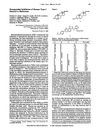
February 1993 in “Journal of Medicinal Chemistry”
89 citations
,
February 1993 in “Journal of Medicinal Chemistry” New compounds called benzoquinolinones may treat conditions linked to excess DHT.
3 citations
,
August 2023 in “The Journal of Pediatrics” Sodium valproate can rarely cause skin darkening, which may improve after stopping the drug.
17 citations
,
January 2012 in “European Journal of Pharmaceutics and Biopharmaceutics” Isoconazole nitrate stays effective in skin and hair follicles for up to two weeks after use.
 November 2024 in “Nanomaterials”
 The nanocrystalline suspension effectively delivers dutasteride over time with minimal inflammation.
27 citations
,
September 1994 in “The journal of investigative dermatology/Journal of investigative dermatology” Small amounts of Vitamin D3 can boost hair growth, but too much can stop it.
16 citations
,
May 1995 in “Biochemical and Biophysical Research Communications” Both enzyme forms can sulfate minoxidil.