Search
for
Sort by
Research
690-720 / 1000+ results
research A clinical trial on the efficacy of mesotherapy with dutasteride for frontal fibrosing alopecia
Mesotherapy with dutasteride improves hair growth and reduces symptoms in frontal fibrosing alopecia.
research Alopecia areata and tofacitinib: a prospective multicenter study from a Saudi population
Tofacitinib is effective and safe for treating severe hair loss in a Saudi population.
research Effectiveness and safety of baricitinib in patients with severe alopecia areata: a 36-week multicenter real-world experience
Baricitinib effectively reduces hair loss in severe alopecia areata and is generally safe.
research 76221 Faster Onset and Superior Efficacy of an Investigational Extended-Release Oral Minoxidil Tablet (VDPHL01) Versus Topical and Immediate-Release Oral Minoxidil for Androgenetic Alopecia: Results from a Blinded Retrospective Investigator Global Assessment
research Alopecia areata flare patterns in children and young adults while on systemic tofacitinib
Tofacitinib can regrow hair in alopecia areata patients, but some may experience flares during treatment.
research Randomized Trial of Aromatherapy
Aromatherapy with certain essential oils is a safe and effective treatment for hair growth in alopecia areata patients.
research Efficacy and Safety of Low-Dose (0.2 mg) Dutasteride for Male Androgenic Alopecia: A Multicenter, Randomized, Double-Blind, Placebo-Controlled, Parallel-Group Phase III Clinical Trial
Low-dose dutasteride effectively and safely promotes hair growth in men.
research Safety of High-Dose Vitamin A
High-dose vitamin A was safe and well-tolerated in a lung cancer treatment study.
research Industry updates from the field of stem cell research and regenerative medicine in June 2019
In June 2019, the stem cell research field saw major progress, including new clinical trials, FDA approvals, and industry collaborations.
research 412 High amphiregulin expression is a high-risk feature of acute graft-versus-host disease of the skin
High amphiregulin in the skin is a bad sign for acute graft-versus-host disease.
research Preclinical and Clinical Studies Demonstrate That the Proprietary Herbal Extract DA-5512 Effectively Stimulates Hair Growth and Promotes Hair Health
DA-5512 effectively improves hair growth and health, performing better than minoxidil.
research Low-Dose IL-2 for Treating Moderate to Severe Alopecia Areata: A 52-Week Multicenter Prospective Placebo-Controlled Study Assessing its Impact on T Regulatory Cell and NK Cell Populations
The study's results on the effectiveness of low-dose IL-2 for alopecia areata and its impact on immune cells were not provided.
research Progress and prospects: gene therapy for performance and appearance enhancement
Gene therapy shows promise for enhancing physical traits but faces ethical, safety, and regulatory challenges.
research Clinical Trial of Finasteride on Alopecia X in a Dog
research Efficacité à long terme du baricitinib dans le traitement de la pelade : résultats à la semaine 104 des études BRAVE-AA1 et BRAVE-AA2
Baricitinib effectively treats severe alopecia for up to 104 weeks.
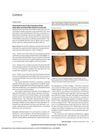
research Tofacitinib Citrate for the Treatment of Nail Dystrophy Associated With Alopecia Universalis
Tofacitinib citrate improved nail dystrophy and pain in patients with alopecia universalis without causing side effects.
research Growth Factor Cocktail Including Fibroblast Growth Factor 9 (Cellcurin) in the Treatment of Androgenetic Alopecia in Men and Women: A Randomized Controlled Trial
Cellcurin therapy with microneedling increases hair density and thickness in treating hair loss in men and women.
research Tofacitinib for the treatment of alopecia areata in preadolescent children
Tofacitinib helped some young children with severe hair loss grow their hair back without bad side effects.
research Reversal of alopecia areata, osteoporosis follow treatment with activation of Tgr5 in mice
Activating Tgr5 may help treat hair loss and bone loss.
research A randomized comparative study between intralesional vitamin D3 and intralesional triamcinolone acetonide in the treatment of alopecia areata
Vitamin D3 is a safe and effective alternative to steroids for treating alopecia areata, with fewer side effects.
research The Evaluation of Efficacy and Safety of Topical Saw Palmetto and Trichogen Veg Complex for the Treatment of Androgenetic Alopecia in Men
Topical Saw Palmetto and Trichogen Veg Complex increased hair count by 11.9% and improved hair growth in 48% of men with hair loss.
research The effect of antioxidants administration on the response rate in patients with alopecia areata
Antioxidants improved hair growth in alopecia areata patients regardless of disease duration.
research Combined Low Laser Light Phototherapy and Growth Factor Hair Formulation Infiltration Therapy in Androgenetic Alopecia (AGA Combo Treatment)
Combining laser light therapy and growth factor treatment improves hair growth in people with hair loss.
research Systemic Treatment of Moderate to Severe Alopecia Areata in Adults: Updated Australian Expert Consensus Statement
New medications could improve treatment for severe alopecia areata in Australia.
research Therapeutic potential of oral tofacitinib in alopecia areata: a retrospective study
Tofacitinib is a promising and safe treatment for moderate to severe alopecia areata.
research Anlotinib or Bevacizumab Combined with Taxane/Capecitabine for the Second-Line or Subsequent Treatment of HER-2 Negative Metastatic Breast Cancer: A Retrospective Cohort Study
Anlotinib combined with taxane/capecitabine is more effective than bevacizumab for treating HER-2 negative metastatic breast cancer.
research Advances in the Treatment of Androgenetic Alopecia: A Review of Mechanisms and the Clinical Efficacy of Combination Drug Therapy
Combination drug therapy improves hair growth and patient care for androgenetic alopecia.
research Proteolysis‐Targeting Chimera (PROTAC): Current Applications and Future Directions
PROTACs offer new ways to treat hard-to-target diseases, with promising drugs for cancer in advanced trials.
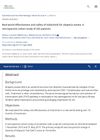
research Real‐world effectiveness and safety of tofacitinib for alopecia areata: A retrospective cohort study of 202 patients
Tofacitinib is safe and effective for treating moderate-to-severe alopecia areata.