 124 citations
,
October 2019 in “Frontiers in Immunology”
124 citations
,
October 2019 in “Frontiers in Immunology” Janus kinase inhibitors are promising treatments for autoimmune skin diseases like eczema and psoriasis.
 July 2025 in “Russian Journal of Clinical Dermatology and Venereology”
 Tofacitinib may help hair regrowth in familial alopecia areata with immune issues, but more research is needed.
88 citations
,
August 2019 in “Frontiers in immunology” Tyrosine kinases are important in skin autoimmune diseases and could be targets for new treatments.
January 2023 in “Repositorio Institucional Universidad El Bosque” PHIL can successfully treat scalp arteriovenous fistulas after hair transplants.
 June 2024 in “Indian Dermatology Online Journal”
 Topical tofacitinib is effective and safe for treating alopecia areata.
23 citations
,
October 2024 in “British Journal of Dermatology” Ritlecitinib effectively treats alopecia areata and is safe for long-term use in people 12 and older.
 11 citations
,
April 2015 in “EBioMedicine”
11 citations
,
April 2015 in “EBioMedicine” JAK inhibitors may help treat Alopecia Areata but need careful monitoring due to side effects.
4 citations
,
November 2023 in “SKIN The Journal of Cutaneous Medicine” Ritlecitinib is safe for treating alopecia areata for up to 48 weeks.
Ritlecitinib improves hair regrowth in alopecia areata without increasing adverse risks.
July 2026 in “Cosmoderma” Tapering and stopping tofacitinib may be possible for young alopecia areata patients.
June 2024 in “Poster presentations” Janus Kinase inhibitors effectively induce remission in Ulcerative Colitis with an acceptable safety profile.
52 citations
,
January 2003 in “Journal of Investigative Dermatology” Thrombospondin-1 is crucial for hair follicle regression and reduced blood vessel growth during the catagen phase.
April 2025 in “International Journal of Dermatology” Filgotinib completely reversed hair loss in a patient with rheumatoid arthritis and alopecia universalis.
July 2024 in “Journal of Investigative Dermatology” ATR12-351 ointment safely delivers LEKTI protein to the skin, reducing enzyme activity in Netherton syndrome.
83 citations
,
June 2017 in “Journal of the American Academy of Dermatology” Topical JAK inhibitors may help children with alopecia areata regrow hair.
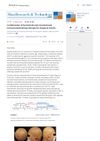 July 2023 in “Skin Research and Technology”
 Baricitinib combined with other immune therapies may safely and effectively treat severe scalp hair loss.
 84 citations
,
August 2023 in “Drugs”
84 citations
,
August 2023 in “Drugs” Ritlecitinib is approved in the USA and Japan for treating severe hair loss in people aged 12 and older.
 23 citations
,
September 2019 in “Journal of The American Academy of Dermatology”
23 citations
,
September 2019 in “Journal of The American Academy of Dermatology” Tofacitinib and oral minoxidil together effectively regrow hair in severe alopecia areata patients.
 May 2012 in “CRC Press eBooks”
 Some patients on anti-TNF drugs experience a type of hair loss called TAIAPA.
 September 2014 in “SciBX”
 JAK inhibitors may help treat alopecia areata and promote hair regrowth.
 May 2017 in “Journal of The American Academy of Dermatology”
 An intact skin barrier is crucial to prevent infection in cases of tether-induced tenosynovitis.
 February 2006 in “Journal of The American Academy of Dermatology”
 Terbinafine is more effective than itraconazole for toenail fungus, especially in older patients, and debridement improves its effectiveness.
 June 2006 in “Annales de Dermatologie et de Vénéréologie”
 Tranexamic acid effectively reduced swelling episodes in a girl with a rare form of hereditary angioneurotic edema.
May 2025 in “CPT Pharmacometrics & Systems Pharmacology” A 50 mg non-loading dose of ritlecitinib is safe for adults and adolescents.
 May 2023 in “International Journal of Trichology”
 Tofacitinib may be an effective and safe treatment for hair loss in teenagers with alopecia areata.
June 2022 in “Biotechnological Research” Activated autologous platelet-rich plasma can improve healing in diabetic foot ulcers.

Deucravacitinib improves symptoms and reduces inflammation in Lichen Planopilaris.
Frontal fibrosing alopecia can be managed with personalized combination therapies, but no cure exists yet.
 July 2025 in “The Journal of Dermatology”
 Ritlecitinib has common side effects like headache and acne, and unexpected ones like diabetes and thyroid issues.