July 2019 in “Zenodo (CERN European Organization for Nuclear Research)” Follicular mucinosis in a 15-year-old is usually harmless but needs monitoring for possible lymphoma.
 59 citations
,
January 2002 in “Dermatology”
59 citations
,
January 2002 in “Dermatology” A new type of sudden, complete female hair loss was found, with most patients fully recovering within 6 months without needing steroid treatment.
 1 citations
,
February 2022 in “Clinical, Cosmetic and Investigational Dermatology”
1 citations
,
February 2022 in “Clinical, Cosmetic and Investigational Dermatology” TDM10842, a thyroid hormone receptor activator, was found to effectively promote hair growth in mice.
 November 2014 in “Prescriber”
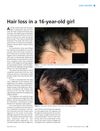
 The 16-year-old girl with hair loss was successfully treated for alopecia areata, leading to significant hair regrowth.
37 citations
,
January 2010 in “Human Molecular Genetics” FTase and GGTase-I are essential for skin keratinocyte health.
 May 2022 in “Experimental dermatology”
 Trichothiodystrophy hair is structurally abnormal with protein and organization issues.
Basaloid follicular hamartoma is a rare, benign skin growth often misdiagnosed.
 October 2023 in “Regular and Young Investigator Award Abstracts”
 Baricitinib treatment helped reduce hair loss symptoms in mice by decreasing inflammation-related immune cells.
 June 2026 in “International Journal of Homoeopathic Sciences”
 Homeopathic treatment led to significant hair regrowth in a woman with long-term hair loss.
14 citations
,
September 1999 in “Journal of Investigative Dermatology” Lack of TrkC receptor delays hair follicle development.