 September 2013 in “Experimental Dermatology”
 The document concluded that stem cells are crucial for skin repair, regeneration, and may help in developing advanced skin substitutes.
 January 2012 in “heiDOK (Heidelberg University)”
 Dormant melanoma cells in mice interact minimally with memory T cells due to a suppressive tumor environment.
 October 2011 in “Iranian Journal of Dermatology”
 Men with male pattern baldness may have a higher risk of heart disease due to increased levels of a specific lipid in their blood.
 July 2011 in “British Journal of Dermatology”
 Dermatologists give better information on pathology forms, hypersensitivity vasculitis is a common skin issue, misdiagnoses can occur, and various skin conditions are linked to loss of elastin or genetic factors.
 June 2011 in “The Journal for Nurse Practitioners”
 Up to half of adult women may experience hair loss, and doctors should use medical history, exams, and tests to find the cause and treat it.
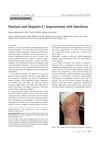 January 2011 in “Annals of dermatology/Annals of Dermatology”
 A woman's psoriasis improved after hepatitis C treatment with interferon, despite interferon's risk of worsening skin conditions.
 February 2010 in “Journal of The American Academy of Dermatology”
 The study concluded that patients with total hair loss and recurring hair loss had an earlier onset, longer-lasting condition, and a greater negative impact on their quality of life, with allergic conditions linked to more severe hair loss.
 February 2010 in “Journal of The American Academy of Dermatology”
 Alopecia areata has different forms and can significantly affect quality of life, especially in more severe cases.
 February 2010 in “Journal of The American Academy of Dermatology”
 Babies born after 38 weeks to mothers under 36 years old and not delivered by C-section have a higher risk of neonatal occipital alopecia.
 November 2009 in “Medical & surgical dermatology”
 The document concludes that Borrelia afzelii causes a skin condition in France, a gene is linked to hair loss in Caucasian women, and various genetic mutations affect skin diseases.
 July 2008 in “Biomedical Imaging and Intervention Journal”
 New cancer treatments are more precise and less toxic, improving survival rates, but Asia faces challenges in adopting these advancements.
 June 2008 in “British Journal of Dermatology”
 UK medical students lack dermatology education, liver biopsy patients with risk factors show more fibrosis, and certain fungi resist drugs due to melanin; genetics may influence female hair loss.
 January 2005 in “Elektronische Hochschulschriften der LMU München (Ludwig-Maximilians-Universität München)”
 Topical immunotherapy with DPCP is most effective for certain alopecia areata types, with success linked to age and disease duration, and influenced by a gene polymorphism.
 July 2003 in “British Journal of Dermatology”
 Some skin conditions are associated with other serious diseases, and office microscopy may miss many fungal infections.
 April 2003 in “Experimental Dermatology”
 The workshop highlighted the genetic links and psychological impacts of hair loss and skin disorders.
 January 1989 in “Side effects of drugs annual”
 Some cancer and immune system drugs can cause serious side effects, including heart, lung, nerve, and organ damage, which need careful monitoring and management.
 January 1989 in “Clinical and Experimental Dermatology”
 The symposium concluded that hair growth involves complex processes, including the hair follicle life cycle, the role of the dermal papilla, hair strength, pigmentation, and the impact of diseases and treatments like minoxidil on hair and skin.
 June 2021 in “Archives of Advances in Biosciences”
 Finasteride reduces sperm count and quality and alters hormone levels in mice.
 April 2019 in “Journal of the Dermatology Nurses’ Association”
 A 37-year-old man with hair loss and skin issues was successfully treated with oral antibiotics, highlighting the need for early treatment. Long-term care includes low-dose antibiotics and avoiding caps and wigs.

Detailed history and physical examination are crucial for diagnosing hair loss.
 September 2016 in “Journal of the Egyptian Women's Dermatologic Society (Print)”
 Higher RBP4 levels found in people with two types of hair loss.
 May 2004 in “Pediatric Dermatology”
 Atopic dermatitis may have genetic causes and can be treated with pharmacologic methods, glycerin creams, and controlling Staphylococcus aureus colonization.
 349 citations
,
January 2005 in “The FASEB journal”
349 citations
,
January 2005 in “The FASEB journal” Human skin can make serotonin and melatonin, which help protect and maintain it.
 119 citations
,
July 2016 in “Annals of the New York Academy of Sciences”
119 citations
,
July 2016 in “Annals of the New York Academy of Sciences” Vitamin D has potential benefits for cancer prevention, heart health, diabetes, obesity, muscle function, skin health, and immune function, but clinical results are mixed and more research is needed.
 105 citations
,
September 1995 in “Journal of The American Academy of Dermatology”
105 citations
,
September 1995 in “Journal of The American Academy of Dermatology” Recombinant cytokine therapy can cause skin reactions ranging from mild to severe.
 47 citations
,
July 2013 in “Pharmacological Reviews”
47 citations
,
July 2013 in “Pharmacological Reviews” Regenerative pharmacology, which combines drugs with regenerative medicine, shows promise for repairing damaged body parts and needs more interdisciplinary research.
 40 citations
,
July 2017 in “Frontiers in Medicine”
40 citations
,
July 2017 in “Frontiers in Medicine” Early and personalized treatment for hair loss in young people is crucial to prevent permanent damage and should include psychological support.
 38 citations
,
December 2012 in “Journal of Cutaneous Pathology”
38 citations
,
December 2012 in “Journal of Cutaneous Pathology” EVG staining is a valuable, simple, and cost-effective method for diagnosing various skin conditions in dermatopathology.
 31 citations
,
January 2017 in “Phytotherapy Research”
31 citations
,
January 2017 in “Phytotherapy Research” Ziziphus jujuba Mills may have health benefits, but more research is needed to confirm its safety and effectiveness.
 15 citations
,
July 1999 in “Dermatologic Clinics”
15 citations
,
July 1999 in “Dermatologic Clinics” The document concludes that immune system abnormalities cause alopecia areata, but the exact process is still not completely understood.