June 2018 in “Journal of the American Veterinary Medical Association” Three related Persian cats have a rare, likely hereditary skin condition causing hair loss and poor coat quality, with limited treatment options.
Otter rabbit, mink, and blue fox fur can be identified by their unique hair structures.
101 citations
,
April 2013 in “Science” Feather pigment patterns form through melanocyte arrangement and simple regulatory mechanisms.
Topical GT20029 effectively promotes hair regrowth and is well-tolerated.
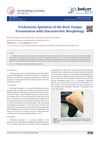 May 2020 in “JOJ Dermatology & Cosmetics”
 A rare skin condition usually on the face was found on a man's heel.
4 citations
,
October 2001 in “Mycoses” A young cat had a rare fungal infection caused by Microsporum gypseum.
 7 citations
,
January 2022 in “Molecules”
7 citations
,
January 2022 in “Molecules” Tectoridin helps human hair cells grow and makes mouse hair longer, suggesting it could treat hair loss.
November 2025 in “PROGRESS IN BIOCHEMISTRY AND BIOPHYSICS” Taurine may help reduce hair loss by improving hair growth cycles.
September 2021 in “CRC Press eBooks” Traumatic alopecia causes hair loss from pulling or rubbing, leading to broken hairs and changes in the scalp.
 January 2012 in “The Japanese Journal of Veterinary Dermatology”
 The dog's hair loss healed on its own without treatment.
April 2019 in “Journal of parasitic diseases” A Persian cat and its owner fully recovered from Cheyletiellosis after treatment.
 1 citations
,
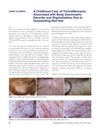
January 2013 in “International Journal of Trichology”
1 citations
,
January 2013 in “International Journal of Trichology” A girl with red hair developed hair-pulling and body image disorders after being bullied for her hair color.
January 2005 in “Chinese Journal of Veterinary” Hairless mice lose hair by 3-4 weeks, develop thicker, folded skin, and show pigmentation differences.
72 citations
,
September 1975 in “Biology of Reproduction” Most zinc in rat sperm is in the tail, linked to structures similar to hair keratin.
17 citations
,
November 1967 in “American Journal of Anatomy” Hairless mice have longer hair follicles and abnormal structures during the catagen phase.
 2 citations
,
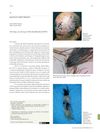
February 2019 in “Anais brasileiros de dermatologia/Anais Brasileiros de Dermatologia”
2 citations
,
February 2019 in “Anais brasileiros de dermatologia/Anais Brasileiros de Dermatologia” Tufted folliculitis is common in patients with folliculitis decalvans.
October 2012 in “한국미용학회지” Tremella fuciformis Berk helps protect hair growth from stress effects.
26 citations
,
July 2006 in “International Journal of Cosmetic Science” Taurine helps protect and promote hair growth.
May 2024 in “Archives of Dermatological Research” TAT-GILZ peptide promotes hair growth by boosting stem cell activity.
March 2012 in “Journal of Experimental Biology” Tarantulas don't produce silk from their feet.
 13 citations
,
January 2014 in “PubMed”
13 citations
,
January 2014 in “PubMed” Adiantum capillus-veneris Linn reduced hair loss and improved hair growth in mice with testosterone-induced alopecia.
 2 citations
,
September 1987 in “International Journal of Dermatology”
2 citations
,
September 1987 in “International Journal of Dermatology” Minoxidil caused hair to grow in unintended areas, like a tail, in a young girl.
 April 2016 in “Journal of The American Academy of Dermatology”
 The study found that Temporal Triangular Alopecia often starts in early childhood, while Folliculitis Decalvans is characterized by tufted hairs and redness around hair follicles.
8 citations
,
May 2005 in “Australian veterinary journal” A Tibetan Terrier had recurring seasonal hair loss for three years.
 December 2022 in “Frontiers in Pharmacology”
 Tianma Gouteng decoction may help prevent hair loss and promote hair growth.
October 2025 in “Biomedicines” Terminalia chebula fruit extract helps hair growth by reducing DHT and boosting hair cell activity.
 24 citations
,
November 1978 in “Biochemistry”
24 citations
,
November 1978 in “Biochemistry” α-type filaments in guinea pig hair follicles have unique structural features.
 5 citations
,
April 2016 in “The American Journal of Dermatopathology”
5 citations
,
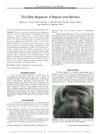
April 2016 in “The American Journal of Dermatopathology” A tick bite caused temporary hair loss in a man, which is a rare condition that usually gets better within 3 months.
 July 2022 in “The journal of investigative dermatology/Journal of investigative dermatology”
 The early genes of a specific virus can cause abnormal skin cell growth and hair follicle changes.
1 citations
,
October 2024 in “European Journal of Histochemistry” Telocytes in silky fowl embryos develop distinct features and connections by the 20th day of incubation.