 49 citations
,
March 2017 in “Journal of the American Academy of Dermatology”
49 citations
,
March 2017 in “Journal of the American Academy of Dermatology” Tofacitinib caused significant hair regrowth in adolescents with alopecia universalis who didn't respond to other treatments.
 1 citations
,
February 2023 in “International Journal of Research in Ayurveda and Pharmacy”
1 citations
,
February 2023 in “International Journal of Research in Ayurveda and Pharmacy” Ayurvedic treatment helped a 12-year-old boy regrow hair safely.
 1 citations
,
April 2018 in “International journal of Ayurvedic medicine”
1 citations
,
April 2018 in “International journal of Ayurvedic medicine” Certain Ayurvedic herbs may help manage premature greying of hair.
 39 citations
,
April 2016 in “Case Reports in Dermatology”
39 citations
,
April 2016 in “Case Reports in Dermatology” Tofacitinib temporarily regrew hair in a man with alopecia, but its effects didn't last.
 August 2023 in “International Ayurvedic medical journal”
 Improper diet, lifestyle, and stress are major causes of hair fall.
 June 2025 in “International Journal of Science and Research (IJSR)”
 Tofacitinib effectively promotes hair regrowth in alopecia areata with minimal side effects.
April 2021 in “Cermin Dunia Kedokteran” Two siblings with tinea capitis improved after treatment with ketoconazole.
 May 2023 in “Jurnal Sains Insani”
 Shaykh Abbas Kuta Karang significantly advanced Malay medical knowledge with his detailed manuscript.
 September 2025 in “Journal of the Pakistan Medical Association”
 Tofacitinib effectively and safely promotes hair regrowth in alopecia patients.
 January 2024 in “International Research Journal of Ayurveda & Yoga”
 Ayurvedic treatments can effectively regrow hair in alopecia areata.
 January 2024 in “Sanjeevani Darshan National Journal of Ayurveda & Yoga”
 The treatment may help regrow hair in Alopecia Areata.
7 citations
,
September 2024 in “The Journal of Dermatology” Ritlecitinib helps regrow hair in people with alopecia totalis and universalis and is safe to use.
November 2025 in “Bioactive Materials” TQC shows promise for better hair regrowth in treating hair loss.
 6 citations
,
July 2019 in “Indian Journal of Dermatology”
6 citations
,
July 2019 in “Indian Journal of Dermatology” About 12% of children in Kota, Rajasthan, experience hair loss, mainly due to fungal infections, with early treatment advised to prevent worsening.
 238 citations
,
November 2016 in “Journal of The American Academy of Dermatology”
238 citations
,
November 2016 in “Journal of The American Academy of Dermatology” Tofacitinib is effective and safe for severe hair loss, but full regrowth is less likely after 10 years of hair loss.
 1 citations
,
October 2023 in “International Journal of Ayurvedic Medicine”
1 citations
,
October 2023 in “International Journal of Ayurvedic Medicine” Rasayana therapy can enhance female reproductive health at different life stages.
 March 2026 in “JMIR Dermatology”
 Interest in JAK inhibitors for alopecia areata increased significantly after FDA approval, highlighting the need for patient education.
May 2026 in “Malahayati Nursing Journal” This case study explored the use of acupuncture as a complementary therapy for managing alopecia at Nayaka Husada Primary Clinic in Bekasi. Involving one participant, the study utilized Chinese Medicine diagnostic methods and conducted acupuncture treatment over six weeks with twelve sessions. The participant experienced a gradual improvement, including a significant reduction in hair loss, better scalp condition, and enhanced comfort and sleep quality. The study concluded that acupuncture-based management showed positive outcomes and could be considered a relatively safe complementary therapy for alopecia.
 2 citations
,
February 2025 in “International Journal of Molecular Sciences”
2 citations
,
February 2025 in “International Journal of Molecular Sciences” Key proteins and pathways regulate yak hair growth, with lipid metabolism aiding adaptation to high altitudes.
January 2025 in “Dermatologic Therapy” Baricitinib works better for alopecia areata in patients not previously treated with tofacitinib.
 7 citations
,
April 2021 in “British Journal of Dermatology”
7 citations
,
April 2021 in “British Journal of Dermatology” Topical tofacitinib may effectively and safely regrow facial hair in some people with alopecia areata.
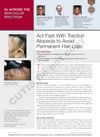 1 citations
,
July 2024 in “Cutis”
1 citations
,
July 2024 in “Cutis” Act quickly to treat traction alopecia to prevent permanent hair loss.
June 2020 in “Dermatologic therapy” Using Janus kinase inhibitors (JAKi) in COVID-19 treatment requires careful consideration due to their immunosuppressive effects.
September 2025 in “Journal of the American Academy of Dermatology” Ritlecitinib may help treat alopecia areata by protecting hair follicles.
 222 citations
,
September 2016 in “JCI insight”
222 citations
,
September 2016 in “JCI insight” Tofacitinib is safe and effective for severe alopecia areata, but hair loss may return 2 months after stopping treatment.
 September 2019 in “Asian Journal of Pharmaceutical and Clinical Research”
 Teak seed extract is safe and reduces pain in mice.
 February 2026 in “Indian Journal of Dermatology”
 Upadacitinib may effectively treat twenty-nail dystrophy without causing pain.

Baricitinib is more effective than tofacitinib for hair regrowth in alopecia patients.
 June 2024 in “Indian Dermatology Online Journal”
 Topical tofacitinib is effective and safe for treating alopecia areata.

Tofacitinib helped a woman with total-body hair loss grow her hair back.