 December 2022 in “KSBB Journal”
 Activating TLR3 boosts autophagy gene expression in skin cells.
 5 citations
,
March 2019 in “Experimental dermatology”
5 citations
,
March 2019 in “Experimental dermatology” Activating TLR3 may help produce retinoic acid, important for tissue regeneration.
March 2026 in “Acta Histochemica”  April 2023 in “The journal of investigative dermatology/Journal of investigative dermatology”
 Noncoding dsRNA helps produce exosomes that aid in skin regeneration.
 April 2015 in “Plastic and Reconstructive Surgery”
 TLR3 activation helps improve skin and hair follicle healing in mice.
 47 citations
,
June 2019 in “Nature Communications”
47 citations
,
June 2019 in “Nature Communications” Noncoding dsRNA boosts hair growth by activating TLR3 and increasing retinoic acid.
 April 2015 in “Plastic and Reconstructive Surgery”
 Activating TLR3 helps improve skin and hair follicle regeneration after wounds.
 6 citations
,
January 2021 in “Frontiers in Immunology”
6 citations
,
January 2021 in “Frontiers in Immunology” Certain immune cells worsen post-surgery gut paralysis by activating a specific immune response.
 128 citations
,
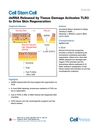
August 2015 in “Cell Stem Cell”
128 citations
,
August 2015 in “Cell Stem Cell” Damage to skin releases dsRNA, which activates TLR3 and helps in skin and hair follicle regeneration.

TLR3 signaling enhances the immunosuppressive properties of human periodontal ligament stem cells.
55 citations
,
November 2010 in “Journal of Allergy and Clinical Immunology” The L412F variant of TLR3 is linked to skin infections, more viral infections, and autoimmune issues.
 April 2018 in “The journal of investigative dermatology/Journal of investigative dermatology”
 Double-stranded RNA helps regenerate hair follicles by increasing retinoic acid production and signaling.
January 2014 in “eScholarship (California Digital Library)” Toll-like receptor 3 helps repair the skin barrier after UV damage.
April 2017 in “The journal of investigative dermatology/Journal of investigative dermatology” Double stranded RNA helps skin wounds heal by coordinating specific proteins and signaling pathways.
 February 2025 in “Journal of Clinical Investigation”
 RNase L hinders hair growth by altering immune signals.
 22 citations
,
March 2017 in “Scientific reports”
22 citations
,
March 2017 in “Scientific reports” Double-stranded RNA causes inflammation in hair follicle cells, which may help understand and treat alopecia areata.
 4 citations
,
June 2025 in “Frontiers in Immunology”
4 citations
,
June 2025 in “Frontiers in Immunology” BAFF-targeted therapies can reduce autoimmune disease activity, but more research is needed for precise treatments.
 3 citations
,
May 2023 in “Frontiers in immunology”
3 citations
,
May 2023 in “Frontiers in immunology” Faulty inflammasome activation may lead to autoimmune skin diseases and could be a target for new treatments.
 April 2019 in “Journal of Investigative Dermatology”
 Wnt-signaling is regulated differently in skin cells and immune responses during wound healing.
 28 citations
,
October 2019 in “Seminars in Cell & Developmental Biology”
28 citations
,
October 2019 in “Seminars in Cell & Developmental Biology” Hair can regrow in large wounds through a process similar to how hair forms in embryos, and understanding this could lead to new treatments for hair loss or scarring.
 65 citations
,
May 2017 in “Advances in wound care”
65 citations
,
May 2017 in “Advances in wound care” Toll-like receptors are important for wound healing, but can slow it down in diabetic wounds.
 April 2019 in “Journal of Investigative Dermatology”
 Activating the Sonic hedgehog pathway can help regenerate hair follicles during wound healing in mice, potentially improving regeneration after injury.
 9 citations
,
January 2018 in “Acta dermato-venereologica”
9 citations
,
January 2018 in “Acta dermato-venereologica” A substance called poly(I:C) increases a protein called carbonic anhydrase II in skin cells, which might help with skin defense and healing.
 August 2024 in “Cell Death and Disease”
 Activating TLR9 helps heal wounds and regrow hair by using specific immune cells.
328 citations
,
November 2020 in “Nature Materials” Hydrogel scaffolds can help wounds heal better and grow hair.
 61 citations
,
September 2010 in “Genomics”
61 citations
,
September 2010 in “Genomics” The study found that immune responses disrupt hair growth cycles, causing hair loss in alopecia areata.
 12 citations
,
March 2016 in “BBA clinical”
12 citations
,
March 2016 in “BBA clinical” Increased Toll-like receptors in blood cells may contribute to alopecia areata and could be a target for new treatments.
Alopecia areata patients have higher levels of certain immune receptors, suggesting new treatment possibilities.
RNase L hinders hair follicle regeneration by altering immune signals.
77 citations
,
September 2017 in “Journal of Investigative Dermatology” TRPV3 in skin cells causes inflammation and cell death.