Mesotherapy is more effective and preferred for female hair loss than topical minoxidil.
73 citations
,
October 1986 in “Journal of the American Academy of Dermatology” Tretinoin may help hair growth and works better when combined with minoxidil.
 August 2025 in “Indian Dermatology Online Journal”
 Combining minoxidil with phototherapy improves vitiligo treatment better than phototherapy alone.
 January 2023 in “TNOA journal of ophthalmic science and research”
 Minoxidil may cause vision problems.
 10 citations
,
February 2016 in “Anais Brasileiros de Dermatologia”
10 citations
,
February 2016 in “Anais Brasileiros de Dermatologia” Topical minoxidil can cause excessive hair growth in children, so use it carefully.
 7 citations
,
January 2021 in “Cureus”
7 citations
,
January 2021 in “Cureus” A woman had an allergic skin reaction to a hair loss treatment containing minoxidil and should not use it.
 July 2026 in “Innovations in Pharmaceutical Sciences & Care”
 Combining mesotherapy injections with minoxidil improved hair growth and appearance.

Radiofrequency microneedling improves the absorption of topical triamcinolone acetonide, especially with deeper needle insertion.
 August 2025 in “Archives of Dermatological Research”
 Oral minoxidil is more effective than topical minoxidil for hair growth in men.
 April 2024 in “JAMA dermatology”
 Oral minoxidil is as effective as topical minoxidil for male hair loss but has more side effects like excessive hair growth and headaches.
June 2022 in “IP Indian journal of clinical and experimental dermatology” Both treatments were equally effective in promoting hair growth.
October 2019 in “International Journal of Research in Dermatology” Combining minoxidil and spironolactone is more effective for female hair loss, but minoxidil alone is sufficient after 6 months.
 October 2023 in “Journal of Cosmetic Dermatology”
 Using both minoxidil and finasteride together is more effective for hair growth than using either one alone in men with hair loss.
 56 citations
,
November 1993 in “Journal of The American Academy of Dermatology”
56 citations
,
November 1993 in “Journal of The American Academy of Dermatology” Capsaicin cream quickly relieved itching in two patients with brachioradial pruritus.
 12 citations
,
August 2017 in “Archives of Pharmacal Research”
12 citations
,
August 2017 in “Archives of Pharmacal Research” Lecithin-based microparticles can deliver minoxidil for hair growth effectively with less skin irritation.
 5 citations
,
January 2009
5 citations
,
January 2009 Betamethasone is more effective than Tacrolimus and soft paraffin for hair regrowth in patchy alopecia areata.
 4 citations
,
August 2016 in “JEADV. Journal of the European Academy of Dermatology and Venereology/Journal of the European Academy of Dermatology and Venereology”
4 citations
,
August 2016 in “JEADV. Journal of the European Academy of Dermatology and Venereology/Journal of the European Academy of Dermatology and Venereology” Using cetirizine on the skin and taking vitamin D can help increase hair growth in children with hair loss from ectodermal dysplasia.
 January 2026 in “International Journal of Medical Science”
 Combining Adapalene with Benzoyl Peroxide is more effective for treating mild acne than using Adapalene alone.
September 2025 in “OPAL (Open@LaTrobe) (La Trobe University)” The treatments stopped hair regrowth in mice.
September 2022 in “Journal of the American Academy of Dermatology” The serum reduces acne and improves skin clarity.
 6 citations
,
January 2016 in “Journal of Clinical and Diagnostic Research”
6 citations
,
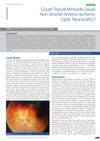
January 2016 in “Journal of Clinical and Diagnostic Research” Topical minoxidil might potentially cause vision problems, but more research is needed.
 1 citations
,
October 2021 in “Journal of Medical Case Reports”
1 citations
,
October 2021 in “Journal of Medical Case Reports” Using minoxidil for hair loss might cause sudden vision loss, so use it with caution and monitor closely.

Topical minoxidil increases hair density in androgenetic alopecia but has unclear clinical significance.
 January 2024 in “Pediatric Dermatology”
 Minoxidil improved hair growth in a child with a rare genetic disorder.
 May 2023 in “International Journal of Trichology”
 A witch-hazel-based 5% minoxidil solution is effective and safe for women with hair loss who didn't respond to regular minoxidil, especially if they're sensitive to propylene glycol.
March 2023 in “Advances in Clinical and Experimental Medicine” Oral and topical finasteride are effective and safe for treating female hair loss.
 7 citations
,
March 2015 in “British Journal of Dermatology”
7 citations
,
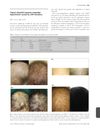
March 2015 in “British Journal of Dermatology” Applying minoxidil can help improve hair growth in people with hair loss caused by LIPH gene mutations.
 5 citations
,
March 2016 in “Medical journal, Armed Forces India”
5 citations
,
March 2016 in “Medical journal, Armed Forces India” A man experienced life-threatening shock after swallowing hair growth solution.
 4 citations
,
December 2019 in “Dermatologic Therapy”
4 citations
,
December 2019 in “Dermatologic Therapy” Hair enzyme activity predicts minoxidil success in Brazilian women with hair loss.
 1 citations
,
August 2019 in “Pediatric dermatology”
1 citations
,
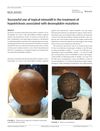
August 2019 in “Pediatric dermatology” Topical minoxidil helped an 8-year-old boy with a genetic hair disorder grow hair.