 32 citations
,
November 2018 in “Anais Brasileiros de Dermatologia”
32 citations
,
November 2018 in “Anais Brasileiros de Dermatologia” In Brazil in 2018, the most common skin issues were acne, photoaging, and nonmelanoma skin cancer, with treatments often including topical medications and sunscreen.
 31 citations
,
October 2020 in “Journal of nanomaterials”
31 citations
,
October 2020 in “Journal of nanomaterials” Silver nanoparticles made from Grewia optiva leaf extract show strong antibacterial, antioxidant, and hair growth benefits.
 30 citations
,
January 2020 in “Journal of The American Academy of Dermatology”
30 citations
,
January 2020 in “Journal of The American Academy of Dermatology” Fibrosing alopecia in a pattern distribution is a hair loss condition often confused with other types, requiring early treatment but usually not resulting in significant hair regrowth.
 9 citations
,
July 2020 in “Journal of Dermatology”
9 citations
,
July 2020 in “Journal of Dermatology” Asian patients with Frontal Fibrosing Alopecia often lose eyebrow hair and respond well to combined antiandrogen or antimalarial and topical treatments.
 4 citations
,
January 2014 in “Indian dermatology online journal”
4 citations
,
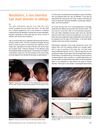
January 2014 in “Indian dermatology online journal” Monilethrix is a genetic hair disorder causing fragile, beaded hair with no effective treatment.
4 citations
,
May 2012 in “BMJ Case Reports” A Nigerian baby with neonatal lupus got better with treatment by 6 months.
 4 citations
,
August 2011 in “Aktuelle Dermatologie”
4 citations
,
August 2011 in “Aktuelle Dermatologie” Topical melatonin is a safe treatment that may reduce hair loss in people with androgenetic alopecia.
3 citations
,
September 2018 in “Current Drug Delivery” The combination of propylene glycol and Tween® 80 improves finasteride gel effectiveness.
 3 citations
,
July 2011 in “Journal of the Egyptian Women's Dermatologic Society (Print)”
3 citations
,
July 2011 in “Journal of the Egyptian Women's Dermatologic Society (Print)” Acne is common in adult women, often continues from adolescence, and can lead to scarring.
 1 citations
,
July 2015 in “British Journal of Dermatology”
1 citations
,
July 2015 in “British Journal of Dermatology” Imiquimod improved skin pigmentation in most patients with xeroderma pigmentosum and may prevent further skin cancer, but some treatments can have side effects.
 1 citations
,
October 2012 in “The Journal of Dermatology”
1 citations
,
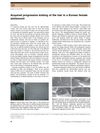
October 2012 in “The Journal of Dermatology” A Korean girl developed kinky hair without known cause or effective treatment.
September 2024 in “Journal of the American Academy of Dermatology” Teledermatology can effectively treat certain skin conditions with topical treatments, reducing the need for in-person visits.
Low-dose oral minoxidil is effective and generally safe for treating hair loss in women.
 May 2024 in “Research Square (Research Square)”
 Pediatric androgenetic alopecia is linked to obesity, family history, hormonal imbalances, and requires personalized treatment including managing comorbidities.
 June 2023 in “Journal of cosmetic dermatology”
 A woman developed skin lesions after PRP injections, possibly linked to COVID-19 infection and vaccination.
 March 2023 in “Journal of the American Academy of Dermatology”
 Treating underlying conditions and using antifungals effectively resolve Pityrosporum folliculitis in immunocompromised people.
 January 2023 in “Ankara Üniversitesi tıp fakültesi mecmuası”
 Most pediatric inpatients needed dermatology consultations for unspecified rashes and drug reactions, with varied treatments.
 January 2023 in “Journal of Cosmetic Dermatology”
 Some children may develop hair loss after having COVID-19.
June 2022 in “Journal of Pakistan Association of Dermatologists” Combination therapy effectively regrows hair in severe alopecia areata.
 April 2017 in “Journal of Investigative Dermatology”
 SM04755 may be an effective topical treatment for psoriasis.
 January 2016 in “Springer eBooks”
 Alopecia Areata is an unpredictable autoimmune hair loss condition with limited and variable treatment effectiveness.
January 2015 in “Nasza Dermatologia Online” Monilethrix causes fragile, patchy hair loss.
 January 2014 in “Anales Médicos de la Asociación Médica del Centro Médico ABC”
 The treatment effectively promoted hair growth with minimal side effects.

Most patients with hair loss used alternative treatments, especially topical applications and health food supplements, based on recommendations from others.
Fermented Cornus officinalis can help hair growth.
 June 1997 in “Australasian Journal of Dermatology”
 Researchers found new hair and nail genes, how hair reacts to UV, differences in white and pigmented hair growth, nerve changes in alopecia, treatments for baldness and alopecia, a toenail condition linked to a genetic disorder, and that nail fungus is more common in people with psoriasis.
December 2022 in “Journal of The European Academy of Dermatology and Venereology” The 7.1% withdrawal rate was in the oral finasteride group, not the topical one.
128 citations
,
February 1992 in “British Journal of Dermatology” Basal cell carcinomas likely originate from hair follicle cells or stem cells.
 March 2014 in “Journal of the American Academy of Dermatology”
 Alopecia areata is relatively common in children, has a variable course, and shows different responses to treatment; thyroid testing is recommended for those affected.
 14 citations
,
January 2011 in “International Journal of Trichology”
14 citations
,
January 2011 in “International Journal of Trichology” Some people with severe, long-lasting baldness responded well to a specific combination treatment.