 December 2019 in “Journal of pediatrics & neonatology”
 A 13-year-old boy had a rare, stable type of hair loss with little chance of regrowth, but treatment is available for looks.
 May 2019 in “Small Animal Dermatology”
 The dog had sebaceous adenitis, treated with ciclosporin, leading to some hair regrowth.

Low-dose sorafenib can cause severe facial acne, treatable with topical medication.
 January 2019 in “Journal of Dermatology and Venereology”
 Sesame and pumpkin seed oil can effectively regrow hair in alopecia areata.
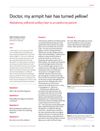
A 15-year-old boy's smelly, yellow armpit hair improved with clindamycin treatment.
 July 2018 in “Elsevier eBooks”
 Lichen Planopilaris is a hair loss condition best treated early with various medications, including hydroxychloroquine, to prevent permanent baldness.
 July 2018 in “Elsevier eBooks”
 Telogen Effluvium is a common, usually reversible hair loss condition, often improved by removing the trigger and possibly treated with various products, though their effectiveness is uncertain.

Tailored nonsurgical cosmetic procedures are crucial for safely treating diverse skin types, especially skin of color.
August 2017 in “Journal of the Dermatology Nurses' Association” Latisse (bimatoprost 0.03%) is widely used in dermatology but the document doesn't give detailed evidence or numbers.
 April 2017 in “The journal of investigative dermatology/Journal of investigative dermatology”
 Most patients experienced mild to moderate skin problems during a trial for a desmoid tumor treatment.
 March 2017 in “InTech eBooks”
 Acne vulgaris is a common skin condition that can cause low self-esteem and depression, and early treatment is important to prevent scarring.
 January 2017 in “Dermatology Review”
 Skin issues from chronic graft-versus-host disease greatly affect daily life, needing teamwork between blood and skin doctors.
 January 2017 in “Clinical approaches and procedures in cosmetic dermatology”
 Men are increasingly seeking quick-result cosmetic treatments for their thicker, oilier skin and hair loss issues.
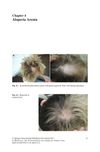 December 2016 in “Springer eBooks”
 A 45-year-old woman with autoimmune diseases experienced patchy hair loss due to alopecia areata, which has no cure but can be treated, with varying success.
 January 2016 in “Springer eBooks”
 Alopecia Areata is an unpredictable autoimmune hair loss condition with limited and variable treatment effectiveness.
 January 2016 in “Kafkas Journal of Medical Sciences”
 Turkish pregnant women commonly experienced skin issues like itching and acne, and doctors mainly used topical treatments due to safety concerns during pregnancy.
 December 2015 in “Actas Dermo-Sifiliográficas”
 Hair transplantation for Frontal Fibrosing Alopecia may work if the disease is inactive for 2 years and with ongoing treatment to maintain results.
 October 2015 in “Elsevier eBooks”
 Minoxidil is effective for hair growth and safe for long-term use.
 July 2015 in “Cambridge University Press eBooks”
 The document concludes that treatments for female hair loss and excess body hair are available, but managing expectations is important.
 April 2012 in “Informa Healthcare eBooks”
 Telogen effluvium is a common hair loss condition where many hairs enter the resting phase, often not noticeable until significant loss occurs, and treatment focuses on the underlying cause.
 January 2012 in “Springer eBooks”
 Lupus can cause different skin problems, and treatments like quitting smoking and using certain creams or medicines can help.
 January 2012 in “Journal für Kardiologie (Krause & Pachernegg GmbH)”
 Androgens can cause acne, excess hair, and hair loss, treatable with dermatologist-guided therapies.
 July 2011 in “Springer eBooks”
 The document concluded that FDA-approved treatments like minoxidil and finasteride are effective for hair loss, while the effectiveness of natural remedies and other non-approved treatments is not well-supported by evidence.
 August 2007 in “Drug and therapeutics bulletin”
 Eflornithine's effectiveness for women with facial hirsutism is unclear.
 February 2005 in “Journal of The American Academy of Dermatology”
 Recognizing new allergens can help reduce contact dermatitis cases.
 March 2003 in “Dermatologic Surgery”
 Dr. Dominic A. Brandy shared methods to fix aesthetic problems from old hair restoration techniques, using methods like follicular unit grafting and scalp removal, which helped patients look more natural after surgery. He also suggested using oral finasteride and topical minoxidil to control hair loss in most men with baldness, especially those who had flap surgery.
 March 2002 in “Clin-Alert”
 In 2002, various drugs caused serious side effects, including vitamin B12 deficiency, heart issues, blindness, hypersexuality, allergic reactions, blood clotting problems, pupil dilation, capillary leak syndrome, muscle breakdown, hepatitis, skin reactions, and lupus.
 December 2025 in “International Journal of Research in Dermatology”
 A multidisciplinary approach is crucial for effectively managing hair loss linked to endocrine and gynecological disorders.
 December 2025 in “Cureus”
 Localized dystrophic epidermolysis bullosa (DEB) can lead to scarring alopecia, highlighting the need to recognize and address this complication.

Women's hair treatments in ancient Mesopotamia involved amulets, while men's treatments used topical applications.