 9 citations
,
February 2011 in “Biologics: Targets & Therapy”
9 citations
,
February 2011 in “Biologics: Targets & Therapy” Topical calcineurin inhibitors, especially 0.1% tacrolimus ointment, are effective and well-tolerated for treating cutaneous lupus erythematosus but require more research for standard treatment guidelines.
 1 citations
,
November 2023 in “International Journal of Dermatology”
1 citations
,
November 2023 in “International Journal of Dermatology” Topical calcineurin inhibitors might be safer than steroids for scarring alopecia, but more research is needed.

Combining hydroxychloroquine and pimecrolimus can effectively treat hair loss from discoid lupus.
 19 citations
,
May 2021 in “Clinical, Cosmetic and Investigational Dermatology”
19 citations
,
May 2021 in “Clinical, Cosmetic and Investigational Dermatology” Minoxidil and finasteride are the best for non-scarring hair loss; more research is needed for scarring hair loss treatments.
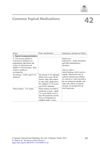 October 2018 in “Springer eBooks”
 The document concludes that various topical medications are effective for skin conditions but often cause skin irritation as a side effect.
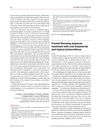 69 citations
,
August 2008 in “Journal of The European Academy of Dermatology and Venereology”
69 citations
,
August 2008 in “Journal of The European Academy of Dermatology and Venereology” Oral dutasteride and topical pimecrolimus can safely and effectively treat Frontal Fibrosing Alopecia, leading to significant hair regrowth.
72 citations
,
November 1997 in “Clinics in dermatology” Vitiligo is a skin condition causing white patches, likely due to an autoimmune issue.
 20 citations
,
January 2016 in “Intractable & Rare Diseases Research”
20 citations
,
January 2016 in “Intractable & Rare Diseases Research” Combination therapy, especially with finasteride, is effective for treating frontal fibrosing alopecia.
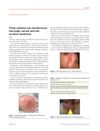 13 citations
,
October 2015 in “Journal of the European Academy of Dermatology and Venereology”
13 citations
,
October 2015 in “Journal of the European Academy of Dermatology and Venereology” The document concludes that early recognition and appropriate treatment of red scalp, red ear, and red scrotum syndromes can lead to remission.
 8 citations
,
May 2010 in “Dermatologic clinics”
8 citations
,
May 2010 in “Dermatologic clinics” New treatments for skin conditions in children include a preferred drug for birthmark reduction, proactive creams for eczema and vitiligo, a safe psoriasis medication, and special tissues and socks for eczema and fungal infections.
 7 citations
,
October 2015 in “Actas Dermo-Sifiliográficas”
7 citations
,
October 2015 in “Actas Dermo-Sifiliográficas” New treatments for Frontal Fibrosing Alopecia show promise, especially finasteride and dutasteride, with most patients seeing improvement or stabilization.
 4 citations
,
November 2020 in “Psoriasis : Targets and Therapy”
4 citations
,
November 2020 in “Psoriasis : Targets and Therapy” The document concludes that proper treatment and management of plaque psoriasis in adolescents can improve their quality of life.
 March 2024 in “Dermatology and therapy”
 AA patients with comorbid conditions face more severe hair loss and need specific treatments.
 December 2015 in “Actas Dermo-Sifiliográficas”
 Hair transplantation for Frontal Fibrosing Alopecia may work if the disease is inactive for 2 years and with ongoing treatment to maintain results.
January 2023 in “Dermatologic Therapy” Intralesional corticosteroids and 5-alpha-reductase inhibitors are the best treatments for frontal fibrosing alopecia.
 March 2014 in “Journal of the American Academy of Dermatology”
 Alopecia areata is relatively common in children, has a variable course, and shows different responses to treatment; thyroid testing is recommended for those affected.
 April 2021 in “International Journal of Research in Dermatology”
 A child with a rare scalp condition regrew hair after treatment.
 1 citations
,
July 2023 in “Journal of Clinical Medicine”
1 citations
,
July 2023 in “Journal of Clinical Medicine” Different causes of beard hair loss have various treatments, including medications, lifestyle changes, and procedures to stimulate hair growth.
April 2024 in “Journal of clinical medicine” Effective treatment guidelines for frontal fibrosing alopecia are still unclear.
November 2019 in “Harper's Textbook of Pediatric Dermatology” Netherton syndrome is a genetic skin disorder causing severe skin issues and requires careful treatment to protect the skin barrier.
 May 2019 in “Australasian Journal of Dermatology”
 The conclusion is that managing hair loss conditions like FFA and melanoma requires individualized approaches, considering new findings and balancing treatment benefits with potential risks.
 66 citations
,
June 2018 in “British Journal of Dermatology”
66 citations
,
June 2018 in “British Journal of Dermatology” European guidelines recommend regular eye and ear exams, skin care, vitamin D supplements, and cautious use of medications for managing congenital ichthyoses.
 37 citations
,
August 2016 in “Clinical, Cosmetic and Investigational Dermatology”
37 citations
,
August 2016 in “Clinical, Cosmetic and Investigational Dermatology” The document concludes that better treatments for CCCA are needed and more research is required to understand its causes related to hairstyling and genetics.
 14 citations
,
April 2019 in “International Journal of Women's Health”
14 citations
,
April 2019 in “International Journal of Women's Health” Some treatments can stabilize Frontal Fibrosing Alopecia, but more research is needed to find effective treatments, and hair transplants often fail.
4 citations
,
April 2019 in “DOAJ (DOAJ: Directory of Open Access Journals)” 5-α-reductase inhibitors, intralesional steroids, and hydroxychloroquine are the most effective treatments for frontal fibrosing alopecia.
 1 citations
,
January 2014 in “Hair therapy & transplantation”
1 citations
,
January 2014 in “Hair therapy & transplantation” Platelet-rich plasma treatment is not very effective for chronic severe alopecia areata.
 March 2025 in “Journal of Clinical Medicine”
 Frontal fibrosing alopecia in men is often misdiagnosed and needs better diagnostic criteria and treatment strategies.
 July 2018 in “Elsevier eBooks”
 Lichen Planopilaris is a hair loss condition best treated early with various medications, including hydroxychloroquine, to prevent permanent baldness.
5 citations
,
March 2023 in “PubMed” Advanced therapy medicinal products show promise for vitiligo treatment with fewer side effects, but affordability is a challenge.

Frontal fibrosing alopecia in men is often misdiagnosed and needs better diagnostic criteria and treatments.