 August 2018 in “Journal of the American Academy of Dermatology”
 Calcipotriol may effectively treat hair loss in alopecia areata, working better in children than adults.
3 citations
,
August 2019 in “PubMed” Topical corticosteroid foams are effective, safe, and easy to use for treating various skin conditions.
 1 citations
,
January 2005 in “Side effects of drugs annual”
1 citations
,
January 2005 in “Side effects of drugs annual” The document concluded that various dermatological treatments have different effectiveness and side effects, with some causing irritation, allergic reactions, or systemic effects.
 June 2020 in “The journal of investigative dermatology/Journal of investigative dermatology”
 Topical treatments led to hair regrowth in a man with linear morphea.
14 citations
,
January 2019 in “PubMed” Vitamin D might be involved in the development of alopecia areata and could help in its treatment.
 May 2022 in “Journal of the American Academy of Dermatology”
 The document suggests using a topical Vitamin D treatment for hair loss rather than oral supplements and calls for more research.
 June 1997 in “Australasian Journal of Dermatology”
 Researchers found new hair and nail genes, how hair reacts to UV, differences in white and pigmented hair growth, nerve changes in alopecia, treatments for baldness and alopecia, a toenail condition linked to a genetic disorder, and that nail fungus is more common in people with psoriasis.
 4 citations
,
March 2023 in “Current Oncology”
4 citations
,
March 2023 in “Current Oncology” Scalp cooling is the only FDA-approved method to prevent hair loss from chemotherapy, but other treatments like minoxidil and PRP are being tested.
 128 citations
,
January 2001 in “American Journal of Clinical Dermatology”
128 citations
,
January 2001 in “American Journal of Clinical Dermatology” Coal tar shampoos, salicylic acid, and topical corticosteroids are effective for scalp psoriasis, with Vitamin D3 analogues also showing benefits; severe cases may require stronger medication with more risks.
2 citations
,
December 2021 in “Cureus” Low vitamin D levels are linked to hair loss, and vitamin D might help treat it.
 1 citations
,
July 1996 in “Clinical and Experimental Dermatology”
1 citations
,
July 1996 in “Clinical and Experimental Dermatology” Routine thyroid tests for diffuse alopecia in women may not be necessary, but checking for iron deficiency anemia could be useful.
August 2021 in “Indian dermatology online journal” A young boy with a rare skin and nail condition improved significantly with simple topical treatments.
 1 citations
,
January 2009 in “Actas Dermo-Sifiliográficas”
1 citations
,
January 2009 in “Actas Dermo-Sifiliográficas” Docetaxel, a chemotherapy drug, was reported to cause psoriasis in a patient for the first time.
 13 citations
,
June 2020 in “International Journal of Dermatology”
13 citations
,
June 2020 in “International Journal of Dermatology” A rare scalp condition mainly in older women can be treated with various alternatives to steroids, which may have fewer side effects.
12 citations
,
October 2013 in “British Journal of Dermatology” The meeting concluded with optimism about increasing research and better management of vitiligo.
 104 citations
,
August 2008 in “Clinics in Dermatology”
104 citations
,
August 2008 in “Clinics in Dermatology” Treating psoriasis on the scalp, nails, and skin folds is challenging, often requiring systemic treatments for severe cases, with some success in topical and biologic treatments.
 January 2025 in “SKIN The Journal of Cutaneous Medicine”
 Calcipotriol's effectiveness for treating alopecia areata is unclear and needs more research.
11 citations
,
May 1985 in “Archives of Dermatology” Calcitriol-resistant rickets is an inherited disorder that affects hair growth and causes hair loss.
 September 2011 in “Journal der Deutschen Dermatologischen Gesellschaft”
 Effective treatments for scalp psoriasis include glucocorticosteroids, Vitamin D3 analogs, and combination therapies like calcipotriol and betamethasone dipropionate.
20 citations
,
May 2007 in “JDDG Journal der Deutschen Dermatologischen Gesellschaft” Etanercept effectively treated a severe skin condition when other treatments failed.
 6 citations
,
August 1989 in “European journal of pediatrics”
6 citations
,
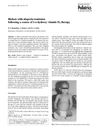
August 1989 in “European journal of pediatrics” Child with rickets improved with a specific vitamin D therapy, but alopecia did not change.
 August 1994 in “Drugs & Therapy Perspectives”
 Psoriasis treatments range from topical creams to systemic medications with serious side effects, and while treatments can manage symptoms, there is no cure.
 May 2020 in “JAAD case reports”
 Using anthralin and calcipotriene together might help treat tough cases of alopecia areata, but more research is needed to understand how it works.
 14 citations
,
July 2012 in “Journal of the American Academy of Dermatology”
14 citations
,
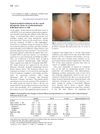
July 2012 in “Journal of the American Academy of Dermatology” Topical tacalcitol ointment can help improve symptoms of EFFC.
 October 2018 in “Springer eBooks”
 The document concludes that various topical medications are effective for skin conditions but often cause skin irritation as a side effect.
 8 citations
,
September 1995 in “Acta Dermato Venereologica”
8 citations
,
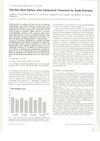
September 1995 in “Acta Dermato Venereologica” Calcipotriol treatment for scalp psoriasis does not cause hair loss.
 5 citations
,
January 2018 in “PubMed”
5 citations
,
January 2018 in “PubMed” Biodegradable microneedle patches help topical steroids work better for prurigo nodularis.
 1 citations
,
November 2018 in “Dermatologic Therapy”
1 citations
,
November 2018 in “Dermatologic Therapy” Compounded topical preparations should be used with caution for severe psoriasis and generally come after systemic treatments.
 26 citations
,
March 2014 in “Journal of cutaneous medicine and surgery”
26 citations
,
March 2014 in “Journal of cutaneous medicine and surgery” Topical vitamin D is useful for some skin conditions but not effective for others, and more research is needed.
 11 citations
,
August 2010 in “Pediatric dermatology”
11 citations
,
August 2010 in “Pediatric dermatology” Tacalcitol cream effectively and safely treated a rare skin condition called Lichen Spinulosus in two cases.