 23 citations
,
January 2010 in “Journal of The American Academy of Dermatology”
23 citations
,
January 2010 in “Journal of The American Academy of Dermatology” Effective treatments for lichen planopilaris are unclear due to inconsistent results and a lack of strong research evidence.
 22 citations
,
January 2017 in “Skin appendage disorders”
22 citations
,
January 2017 in “Skin appendage disorders” The conclusion is that primary scarring alopecia is a complex condition that requires early and accurate diagnosis for effective treatment.
21 citations
,
May 2017 in “Paediatric drugs” Individualized treatment plans are crucial for children with alopecia areata, with promising options like JAK inhibitors showing significant hair regrowth.
21 citations
,
December 2014 in “Pediatric Dermatology” Most children with pediatric trachyonychia improve over time, regardless of treatment.
18 citations
,
November 2022 in “The Journal of Dermatology” Alopecia areata affects 1.45% of people in Japan, impacting mood and self-esteem, with many not seeking treatment.
 18 citations
,
March 2004 in “Clinics in Dermatology”
18 citations
,
March 2004 in “Clinics in Dermatology” Lupus can cause hair loss and nail changes, with treatments available for both.
17 citations
,
August 2004 in “International Journal of Dermatology” Prolonged pressure on the scalp can cause permanent hair loss.
 17 citations
,
December 2001 in “Dermatologic therapy”
17 citations
,
December 2001 in “Dermatologic therapy” Different treatments for alopecia areata have unpredictable results and varying success rates.
 16 citations
,
January 2019 in “Skin appendage disorders”
16 citations
,
January 2019 in “Skin appendage disorders” Intralesional corticosteroids work best for mild alopecia areata, and DPCP works best for moderate to severe cases.
 16 citations
,
May 2017 in “American Journal of Clinical Dermatology”
16 citations
,
May 2017 in “American Journal of Clinical Dermatology” The document concludes that more research is needed to understand and treat Beard Alopecia Areata due to limited current knowledge and evidence.
 16 citations
,
April 2011 in “Recent Patents on Inflammation & Allergy Drug Discovery”
16 citations
,
April 2011 in “Recent Patents on Inflammation & Allergy Drug Discovery” Alopecia Areata is an autoimmune disease causing hair loss in patches, often starting before age 20, and while some cases recover on their own, treatments include topical corticosteroids, minoxidil, and promising new methods like IL-31 antibodies and 308-nm Excimer laser therapy.
 16 citations
,
July 2002 in “Australasian Journal of Dermatology”
16 citations
,
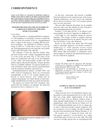
July 2002 in “Australasian Journal of Dermatology” A woman with lupus experienced skin death due to a blood clotting disorder after stopping a blood thinner, which healed with treatment.
 16 citations
,
January 2015 in “Current problems in dermatology”
16 citations
,
January 2015 in “Current problems in dermatology” Alopecia Areata is an autoimmune hair loss condition that needs more research for better treatments.
 15 citations
,
January 2014 in “Anais Brasileiros de Dermatologia”
15 citations
,
January 2014 in “Anais Brasileiros de Dermatologia” Lupus treatment requires a combination of drugs and therapies, with research needed for new options.
 14 citations
,
January 2005 in “Pediatric Dermatology”
14 citations
,
January 2005 in “Pediatric Dermatology” UVA1-light therapy successfully treated a child's skin condition, mycosis fungoides.
 13 citations
,
June 2020 in “International Journal of Dermatology”
13 citations
,
June 2020 in “International Journal of Dermatology” A rare scalp condition mainly in older women can be treated with various alternatives to steroids, which may have fewer side effects.
 13 citations
,
October 1993 in “International Journal of Dermatology”
13 citations
,
October 1993 in “International Journal of Dermatology” Minoxidil effectively promotes hair regrowth in younger patients with small balding areas.
 13 citations
,
October 2015 in “Journal of the European Academy of Dermatology and Venereology”
13 citations
,
October 2015 in “Journal of the European Academy of Dermatology and Venereology” The document concludes that early recognition and appropriate treatment of red scalp, red ear, and red scrotum syndromes can lead to remission.
12 citations
,
March 2021 in “JAAD Case Reports” Nail changes from immunotherapy can be managed without stopping cancer treatment.
12 citations
,
October 2013 in “British Journal of Dermatology” The meeting concluded with optimism about increasing research and better management of vitiligo.
 12 citations
,
March 2004 in “International Journal of Dermatology”
12 citations
,
March 2004 in “International Journal of Dermatology” A woman with X-linked chronic granulomatous disease developed lupus-like skin lesions, improved with treatment, suggesting a unique skin condition in carriers.
 11 citations
,
January 2022 in “Journal der Deutschen Dermatologischen Gesellschaft”
11 citations
,
January 2022 in “Journal der Deutschen Dermatologischen Gesellschaft” Alopecia areata is a chronic condition causing hair loss, with new treatments targeting the immune system showing promise.
 11 citations
,
January 2013 in “Indian Dermatology Online Journal”
11 citations
,
January 2013 in “Indian Dermatology Online Journal” CCCA is a common, progressive hair loss condition that may not always be linked to hair care practices and requires a biopsy for diagnosis.
9 citations
,
September 2018 in “JAAD Case Reports” Lichen planopilaris can be triggered by prolonged scalp traction and can be treated with corticosteroids.
 9 citations
,
March 2017 in “JAAD Case Reports”
9 citations
,
March 2017 in “JAAD Case Reports” A woman's scalp condition improved with specific ointment after a hair piece caused skin issues.
9 citations
,
January 2014 in “World journal of clinical cases” Neomycin is a common cause of follicular contact dermatitis, which is treated by avoiding the allergen and using creams.
 9 citations
,
May 2013 in “JAMA Dermatology”
9 citations
,
May 2013 in “JAMA Dermatology” Sunlight exposure improved a patient's skin condition, and there may be a link between a certain disease and skin growths; a leukemia treatment caused changes in hair color and growth.
8 citations
,
February 2022 in “Frontiers in Medicine” COVID-19 may trigger severe skin flare-ups in people with autoimmune conditions like lupus.
 8 citations
,
October 2019 in “International Journal of Dermatology”
8 citations
,
October 2019 in “International Journal of Dermatology” The study concluded that combination therapy with topical corticosteroids and hydroxychloroquine or finasteride is effective in treating Frontal fibrosing alopecia in Asians.
 8 citations
,
October 2018 in “Journal of The American Academy of Dermatology”
8 citations
,
October 2018 in “Journal of The American Academy of Dermatology” The review suggests there's no agreed treatment for Frontal Fibrosing Alopecia, but hydroxychloroquine and 5a-reductase inhibitors are most effective. New treatments like platelet-rich plasma and LED light could help if standard treatments fail.