 January 2017 in “Clinical approaches and procedures in cosmetic dermatology”
 Men are increasingly seeking quick-result cosmetic treatments for their thicker, oilier skin and hair loss issues.
 December 2016 in “Springer eBooks”
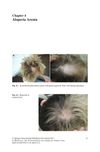
 A 45-year-old woman with autoimmune diseases experienced patchy hair loss due to alopecia areata, which has no cure but can be treated, with varying success.
 December 2016 in “John Wiley & Sons, Ltd eBooks”
 The document concludes that proper recognition and treatment of skin appendage disorders are important for management.
 January 2016 in “Springer eBooks”
 Alopecia Areata is an unpredictable autoimmune hair loss condition with limited and variable treatment effectiveness.
 December 2015 in “Actas Dermo-Sifiliográficas”
 Hair transplantation for Frontal Fibrosing Alopecia may work if the disease is inactive for 2 years and with ongoing treatment to maintain results.
 January 2012 in “Journal für Kardiologie (Krause & Pachernegg GmbH)”
 Androgens can cause acne, excess hair, and hair loss, treatable with dermatologist-guided therapies.
 February 2010 in “Journal of the American Academy of Dermatology”
 Umbilical cord blood transplantation improved the boy's symptoms despite complications.
 January 2010 in “Springer eBooks”
 Hirsutism can lower a woman's quality of life, causing emotional distress and affecting social and work opportunities.
 August 2009 in “Expert Review of Dermatology”
 Pregnancy can cause skin changes and conditions that need correct diagnosis and treatment for the health of the mother and baby.
 May 2007 in “Dermatologic Therapy”
 Hair care practices like using relaxers and tight braiding can lead to permanent hair loss in black women.
 May 2006 in “Dermatologic Surgery”
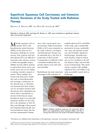
 Radiation therapy successfully treated an elderly man's skin cancer and pre-cancerous scalp lesions.
 March 2002 in “Clin-Alert”
 In 2002, various drugs caused serious side effects, including vitamin B12 deficiency, heart issues, blindness, hypersexuality, allergic reactions, blood clotting problems, pupil dilation, capillary leak syndrome, muscle breakdown, hepatitis, skin reactions, and lupus.
January 2000 in “Time to knit” Emulgels are promising for delivering drugs topically due to their easy spreadability and stability.
 August 1986 in “Journal of The American Academy of Dermatology”
 Minoxidil showed a 30% success rate for hair growth in a study, and various skin treatments were effective, but some had limitations or side effects.
 July 1980 in “Journal of The American Academy of Dermatology”
 The conference concluded that understanding hair and nail disorders is important, iron deficiency may be linked to hair loss, and while some treatments for skin conditions are effective, they may have risks and high costs.
 April 1963 in “Archives of Dermatology”
 Dermatological conditions are complex and treatments often have mixed results.
 December 2025 in “International Journal of Research in Dermatology”
 A multidisciplinary approach is crucial for effectively managing hair loss linked to endocrine and gynecological disorders.
 October 2025 in “International Research Journal of Ayurveda & Yoga”
 Kusthadi Lepa may effectively manage psoriasis symptoms safely.
September 2025 in “Case Reports in Ophthalmology” Short-term use of topical minoxidil can cause eye issues, but stopping it can resolve the problem.
 August 2025 in “Indian Dermatology Online Journal”
 Both treatments work equally well for hair regrowth, but the lotion has fewer side effects.
 December 2024 in “Journal of Population Therapeutics and Clinical Pharmacology”
 Psoriasis worsens in winter in India due to less sunlight and dry skin, needing personalized treatment.
 February 2020 in “International research journal of pharmacy”
 The emulsion made from tea plant and onion extracts shows promise for treating hair loss.
 June 2008 in “British Journal of Dermatology”
 Herpes gestationis is linked to certain antigens, atopic eczema affects T cell populations and may be eased by breastfeeding, higher doses of anti-androgen treatment can improve androgenic alopecia, topical minoxidil increases hair thickness, long-term methotrexate therapy can cause liver fibrosis in psoriasis patients, and Lichen Sclerosus et Atrophicus patients aren't at higher risk for autoimmune disorders.
 September 1995 in “American Journal of Contact Dermatitis”
 Antiyeast treatments work better for seborrheic dermatitis than steroids, and other findings include increased skin bacteria under plastic wrap, a nasal cell defect in Staphylococcus aureus carriers, quick resolution of certain skin reactions, high rubber latex allergy in spina bifida patients, and glyceryl monopentadecanoate's effectiveness for male hair loss.
January 2023 in “Journal of Clinical and Diagnostic Research” Microneedling with PRP is as effective and safe as minoxidil+finasteride for treating hair loss.
July 2021 in “International Journal of Applied Pharmaceutics” The finasteride nanogel could be an effective topical treatment for hair loss.
 October 2020 in “Journal of Pharmaceutical Sciences”
 Topical finasteride with EGCG or TA improves drug release and dermal uptake, potentially treating hair loss effectively.
 128 citations
,
July 2009 in “International Journal of Pharmaceutics”
128 citations
,
July 2009 in “International Journal of Pharmaceutics” PEVs improve minoxidil skin penetration, increasing hair growth.
 75 citations
,
March 2009 in “Journal of The American Academy of Dermatology”
75 citations
,
March 2009 in “Journal of The American Academy of Dermatology” CCCA is a hair loss type affecting African women, possibly caused by grooming and chemicals, with various treatments and needing more research.
 50 citations
,
December 2020 in “Bioactive Materials”
50 citations
,
December 2020 in “Bioactive Materials” Wound dressing absorbs fluid, regenerates hair follicles, and heals skin burns.