August 2024 in “Nutrients” Probiotics help reduce hair loss and increase hair growth in people with androgenic alopecia.
August 2024 in “Cosmetics” Personalized treatments for hair loss are becoming more effective by using genetic information.
 August 2024 in “Aesthetic Plastic Surgery”
 Exosome treatment safely increases hair density in male patients with androgenetic alopecia.
July 2024 in “Anais Brasileiros de Dermatologia” PRP injections can increase hair density in people with androgenic alopecia.
 June 2024 in “Computational and Structural Biotechnology Journal”
 Multi-omics techniques help understand the molecular causes of androgenetic alopecia.
May 2024 in “Molecules/Molecules online/Molecules annual” Plant extracts can help prevent hair loss and promote hair growth.
 April 2024 in “Archiv EuroMedica”
 Platelet-Rich Plasma therapy helps increase hair density and regrowth for some types of hair loss.
 April 2024 in “Nigerian Postgraduate Medical Journal”
 Androgenetic alopecia is a common hair loss condition influenced by various factors and linked to psychosocial and cardiovascular issues.
 March 2024 in “Healthcare”
 Stem cell treatment improved life quality and sexual function in women with hair loss.
 February 2024 in “International Journal of Molecular Sciences”
 Hair loss in Androgenetic Alopecia is caused by genetics, aging, and lifestyle, leading to hair follicle shrinkage and related health risks.
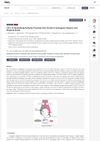 January 2024 in “International Journal of Molecular Sciences”
 Blocking the protein CXCL12 with a specific antibody can increase hair growth in common hair loss conditions.
 December 2023 in “International Journal of Molecular Sciences”
 Men with early balding showed higher levels of certain genes linked to hair loss and possibly prostate cancer.
Four natural compounds were found to promote hair growth effectively.
 November 2023 in “International Journal of Medical Sciences”
 New regenerative medicine-based therapies for hair loss look promising but need more clinical validation.
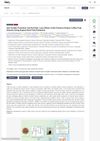
Arabica coffee pulp extract may help prevent hair loss and promote hair growth.
 November 2023 in “Australasian journal of dermatology”
 Dermatologists are essential in helping transgender and gender diverse patients with skin and hair issues related to gender affirmation and hormone therapy.

Nanocarriers with plant extracts show promise for safe and effective hair growth treatment.
October 2023 in “Nutrients” Millet and wheat extracts may improve hair health and promote growth.
 October 2023 in “Biomaterials”
 Nanotechnology could improve hair regrowth but faces challenges like complexity and safety concerns.

New treatments for hair loss should target eight main causes and use specific plant compounds and peptides for better results.
Kerascalp hair serum was found to be safe and effective in improving hair growth and strength in people with mild to moderate hair loss.
 December 2022 in “한국 미생물 생명공학회지”
 TS-SCLF from fermented Schisandra chinensis may promote hair growth and improve hair quality.
 July 2022 in “JEADV Clinical Practice”
 The document concludes that different types of permanent hair loss conditions are related and early treatment is key to preventing further damage.
 May 2015 in “Hair transplant forum international”
 The article concludes that PRP might help with hair loss, but more detailed research is necessary.
 January 2013 in “Journal of The Korean Medical Association”
 The document's conclusion cannot be provided because the text is in Korean and cannot be parsed.
July 2012 in “International Journal of Trichology” Understanding hair health and disorders is important for effective treatment.
March 2025 in “Dermatology Online Journal” Dermatologists should guide transgender patients on effective hair growth and loss treatments during hormone therapy.
January 2023 in “Frontiers in Medicine” ALRV5XR is the most effective hair regrowth treatment at 24 weeks.
 January 2022 in “Biomedical Reports”
 Inaudible sound at 30 kHz can boost hair growth and decrease hair loss by promoting cell growth and reducing cell death in hair follicles.
Protein profiling of forehead skin can help distinguish between frontal fibrosing alopecia and androgenetic alopecia.