 2 citations
,
September 2023 in “Curēus”
2 citations
,
September 2023 in “Curēus” Topical spironolactone may help treat ocular graft-versus-host disease with minimal side effects.
 16 citations
,
December 2008 in “Journal of The American Academy of Dermatology”
16 citations
,
December 2008 in “Journal of The American Academy of Dermatology” Adults with atopic dermatitis showed similar adherence to different forms of hydrocortisone cream, but actual use varied despite self-reports of near-perfect usage.
 9 citations
,
July 2020 in “Experimental Dermatology”
9 citations
,
July 2020 in “Experimental Dermatology” Topical L-thyroxine may help with wound healing and hair growth but should be used short-term due to potential risks.
 4 citations
,
June 2013 in “Aesthetic Plastic Surgery”
4 citations
,
June 2013 in “Aesthetic Plastic Surgery” Minoxidil improved rat skin flap survival but was less effective than surgical methods.
 19 citations
,
November 2011
19 citations
,
November 2011 Using systemic drugs as creams for skin conditions shows promise, but more research is needed to confirm their effectiveness and safety.
 5 citations
,
November 1992 in “Current problems in dermatology”
5 citations
,
November 1992 in “Current problems in dermatology” Glucocorticoids are powerful anti-inflammatory drugs that must be used carefully to avoid serious side effects.
 1 citations
,
January 2015 in “Side effects of drugs annual”
1 citations
,
January 2015 in “Side effects of drugs annual” The document concludes that various dermatological treatments and drugs can cause skin reactions and side effects.
 November 2021 in “International journal of life science and pharma research”
 The new gel for psoriasis is effective, stable, and easy to apply.
 6 citations
,
September 2024 in “Metabolism and Target Organ Damage”
6 citations
,
September 2024 in “Metabolism and Target Organ Damage” Skin enzymes convert topical drugs into active forms, affecting drug effectiveness and safety.
 July 2024 in “International Journal of Medical Arts”
 Latanoprost is more effective than minoxidil for treating alopecia areata.
 80 citations
,
November 1975 in “Acta dermato-venereologica”
80 citations
,
November 1975 in “Acta dermato-venereologica” Large doses of glucocorticoids are not suitable for general use in treating severe alopecia areata due to inconsistent results and risks.
 46 citations
,
September 2011 in “Journal of Endocrinology”
46 citations
,
September 2011 in “Journal of Endocrinology” Natural 5α-reduced glucocorticoids might be anti-inflammatory with fewer side effects than current options.
 36 citations
,
September 1999 in “Toxicologic pathology”
36 citations
,
September 1999 in “Toxicologic pathology” Stronger corticosteroids cause more skin damage in hairless dogs, similar to effects in humans.
 20 citations
,
April 2014 in “Dermatologic Therapy”
20 citations
,
April 2014 in “Dermatologic Therapy” Sulfotransferase in hair follicles helps predict how well minoxidil works for female hair loss.
 19 citations
,
March 2011 in “Cutaneous and Ocular Toxicology”
19 citations
,
March 2011 in “Cutaneous and Ocular Toxicology” Some chemicals absorbed through the skin can cause serious health problems.
 18 citations
,
October 2014 in “Experimental Dermatology”
18 citations
,
October 2014 in “Experimental Dermatology” Local skin glucocorticoid production is crucial for healthy skin, and its disruption can lead to skin diseases.
 17 citations
,
January 2006 in “Veterinary Dermatology”
17 citations
,
January 2006 in “Veterinary Dermatology” Topical melatonin and brushing did not affect hair regrowth in Siberian Huskies.
 December 2025 in “Cureus”
 Topical treatments like AHAs, BHAs, and urea may help keratosis pilaris, but evidence is limited.
 January 2020 in “Veterinary world/Veterinary World”
 The natural topical treatment improved rabbits' skin and hair condition.
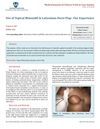 January 2020 in “Medical Journal of Clinical Trials & Case Studies”
 Topical minoxidil effectively prevents tissue death in certain surgeries.
 101 citations
,
November 1992 in “Archives of Dermatology”
101 citations
,
November 1992 in “Archives of Dermatology” Steroids help hair regrowth, and minoxidil slows post-steroid hair loss, but effects are temporary.
 60 citations
,
January 2004 in “The journal of investigative dermatology/Journal of investigative dermatology”
60 citations
,
January 2004 in “The journal of investigative dermatology/Journal of investigative dermatology” Applying a specific inhibitor lightens skin and hair color.
 36 citations
,
May 2011 in “Dermatologic therapy”
36 citations
,
May 2011 in “Dermatologic therapy” No treatments fully cure or prevent alopecia areata; some help but have side effects or need more research.
 19 citations
,
September 2010 in “The American journal of pathology”
19 citations
,
September 2010 in “The American journal of pathology” High glucocorticoids cause pancreatic malfunction and malabsorption, reversible with enzyme supplements.
 8 citations
,
January 1998 in “Journal of Investigative Dermatology”
8 citations
,
January 1998 in “Journal of Investigative Dermatology” Topical estrogen treatments did not change hair growth in certain mouse strains, questioning previous findings on their role in hair growth control.
 5 citations
,
January 2009
5 citations
,
January 2009 Betamethasone is more effective than Tacrolimus and soft paraffin for hair regrowth in patchy alopecia areata.
 January 2024 in “Archives of dermatological research”
 Both treatments for alopecia areata showed similar modest effectiveness.
 July 2015 in “Actas Dermo-Sifiliográficas”
 A woman experienced excessive hair growth after using a hair loss treatment with minoxidil.
 April 2012 in “Journal of the American Academy of Dermatology”
 Clofazimine may be effective for treating ashy dermatosis.
 48 citations
,
January 2011 in “International journal of trichology”
48 citations
,
January 2011 in “International journal of trichology” Intralesional triamcinolone acetonide is the most effective treatment for localized alopecia areata.