 April 2017 in “InTech eBooks”
 Many people with hair loss experience scalp pain known as trichodynia, but the causes are unclear and treatments vary.
 March 2014 in “Journal of the American Academy of Dermatology”
 Alopecia areata is relatively common in children, has a variable course, and shows different responses to treatment; thyroid testing is recommended for those affected.
 January 2025 in “Clinical Cosmetic and Investigational Dermatology”
 Clascoterone cream effectively reduces acne severity and is safe for patients 12 and older.
 10 citations
,
March 2016 in “Journal of The American Academy of Dermatology”
10 citations
,
March 2016 in “Journal of The American Academy of Dermatology” Finasteride's effectiveness for frontal fibrosing alopecia is uncertain.
 7 citations
,
December 2013 in “The Journal of Dermatology”
7 citations
,
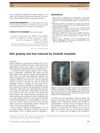
December 2013 in “The Journal of Dermatology” A woman's hair turned gray and fell out after starting a cancer drug called imatinib mesylate.
5 citations
,
May 1994 in “Facial plastic surgery clinics of North America” Minoxidil was promising for treating male and female pattern baldness in 1994, but more research on genetics and other treatments was needed.
March 2020 in “DOAJ (DOAJ: Directory of Open Access Journals)” Finasteride may help treat female hair loss, but has risks.
 March 2005 in “Journal of The American Academy of Dermatology”
 Two cosmetic lotions used day and night may be a good alternative to minoxidil for hair loss treatment with better cosmetic effects and tolerance.
 March 2005 in “Journal of The American Academy of Dermatology”
 Two lotions used day and night may be a good alternative to minoxidil for hair loss, with better cosmetic effects and tolerance.
 117 citations
,
March 2013 in “Journal of the European Academy of Dermatology and Venereology”
117 citations
,
March 2013 in “Journal of the European Academy of Dermatology and Venereology” No effective treatment for frontal fibrosing alopecia was found, but oral 5-alpha-reductase inhibitors had the best response; for lichen planopilaris, topical corticosteroids were commonly used but had a high relapse rate.
 August 2022 in “IntechOpen eBooks”
 The best treatment for Frontal Fibrosing Alopecia and Lichen Planopilaris combines oral and topical medications to reduce symptoms and stop hair loss.
 March 2018 in “Dermatología Argentina”
 The study found that the average age of women diagnosed with Frontal Fibrosing Alopecia in Argentina is higher than in other countries, but their symptoms are similar.
11 citations
,
July 2018 in “AJGP” Low-dose oral minoxidil effectively reduces hair loss in women with female pattern hair loss.
 9 citations
,
February 2005 in “The Journal of Men's Health & Gender”
9 citations
,
February 2005 in “The Journal of Men's Health & Gender” Finasteride effectively treats male hair loss, increasing length and thickness.
4 citations
,
December 2020 in “Giornale italiano di dermatologia e venereologia” Italian guidelines recommend using trichoscopy for diagnosis and treatments like minoxidil for hair loss.
 3 citations
,
March 2014 in “Turkderm”
3 citations
,
March 2014 in “Turkderm” Hair loss in men can be slowed or reversed with treatments like minoxidil and finasteride, but it resumes if treatment stops. It may also indicate early heart disease and obesity.
2 citations
,
March 2025 in “International Journal of Dermatology” Tralokinumab successfully treated alopecia areata in a patient with atopic dermatitis.
 1 citations
,
October 2022 in “Adolescent Health, Medicine and Therapeutics”
1 citations
,
October 2022 in “Adolescent Health, Medicine and Therapeutics” Gender-affirming therapy can cause skin issues like acne and hair loss in transgender adolescents, and more research is needed on its dermatological effects.
 1 citations
,
July 2018 in “Elsevier eBooks”
1 citations
,
July 2018 in “Elsevier eBooks” Heredity and hormones cause common hair loss, and topical minoxidil is the first recommended treatment.
May 2025 in “Skin Appendage Disorders” Frontal fibrosing alopecia can be diagnosed by examining facial areas and treated with specific medications to stop its progression.
 December 2024 in “Skin Appendage Disorders”
 Non-prescription products can help manage androgenic alopecia.
 May 2023 in “Journal of Clinical Medicine”
 New understanding and treatments for hair loss are improving, but more research is needed.
 January 2023 in “Springer eBooks”
 Most older adults experience pattern hair loss due to shrinking hair follicles, with men and women showing different balding patterns.
Early diagnosis and treatment of frontal fibrosing alopecia are crucial to prevent permanent hair loss.
 January 2018 in “Surgical and Cosmetic Dermatology”
 Finasteride and dutasteride are effective for male hair loss and enlarged prostate but may cause reversible sexual side effects.
 August 2017 in “DOAJ (DOAJ: Directory of Open Access Journals)”
 New treatments for common hair loss might be safer and more effective than current options.
 August 2015 in “Dermatología Argentina”
 Frontal fibrosing alopecia causes hairline recession and eyebrow loss in postmenopausal women.
 March 2014 in “Journal of The American Academy of Dermatology”
 The new topical product combined with finasteride significantly increased hair thickness without side effects.
 January 2013 in “Hair transplant forum international”
 Minoxidil and finasteride are effective for male hair loss; minoxidil also helps female hair loss, with some treatments needing more research.
 October 1996 in “Dermatologic Clinics”
 Research on hair disorders has advanced, with promising future progress in understanding and treating these conditions.