1 citations
,
January 2024 in “Pharmaceuticals” A new carrier improves skin delivery of tofacitinib for treating inflammatory skin diseases.
 1 citations
,
May 2023 in “Prospects in Pharmaceutical Sciences”
1 citations
,
May 2023 in “Prospects in Pharmaceutical Sciences” New cytokine-targeted therapies show promise for treating alopecia areata.
 1 citations
,
August 2020 in “IntechOpen eBooks”
1 citations
,
August 2020 in “IntechOpen eBooks” Old drugs like finasteride and spironolactone are being successfully used for hair loss and skin conditions, and many other drugs show promise for new uses in dermatology.
 1 citations
,
July 2018 in “Elsevier eBooks”
1 citations
,
July 2018 in “Elsevier eBooks” FAPD and possibly CCCA may be AGA subtypes, and treatments combining antiandrogens, hair growth agents, hair transplants, and anti-inflammatories could be effective.
 1 citations
,
April 2018 in “The journal of investigative dermatology/Journal of investigative dermatology”
1 citations
,
April 2018 in “The journal of investigative dermatology/Journal of investigative dermatology” Oral tofacitinib significantly improves lichen planopilaris symptoms without adverse effects.
 1 citations
,
January 2018 in “Springer eBooks”
1 citations
,
January 2018 in “Springer eBooks” The document concludes that scalp cooling and treatments like minoxidil can help manage hair loss from cancer therapy.
1 citations
,
February 2015 in “PubMed” 5α-reductase inhibitors may help skin flaps survive better by affecting nitric oxide.
 1 citations
,
January 2015 in “Springer eBooks”
1 citations
,
January 2015 in “Springer eBooks” Chemotherapy can cause skin side effects that affect patients' lives, but they can be managed to avoid interrupting cancer treatment.
March 2026 in “Immunological Medicine” Janus kinase inhibitors help some people with severe alopecia areata regrow hair, but not everyone responds, and relapses can happen.
March 2026 in “Journal of the American Academy of Dermatology” A holistic approach, including diet and stress management, may improve androgenetic alopecia treatment outcomes.
 February 2026 in “Frontiers in Immunology”
 Ivarmacitinib significantly improved hair regrowth in severe alopecia areata after tofacitinib was less effective.
November 2025 in “Food Science & Nutrition” Apigenin may effectively promote hair growth for androgenetic alopecia when applied topically.
 August 2025 in “Annals of Medicine”
 Mycophenolate mofetil may safely help restore skin color in depigmentation conditions.
August 2025 in “Australasian Journal of Dermatology” Experts created guidelines for who in Australia can get subsidized JAK inhibitor therapy for alopecia areata.
August 2025 in “World Academy of Sciences Journal” Topical metformin shows promise for skin treatments but needs more testing for safety and effectiveness.

The 0.05% dutasteride topical solution effectively promotes hair growth with fewer side effects than oral treatments.
April 2025 in “International Journal of Dermatology” JAK inhibitors effectively reduce alopecia areata symptoms in Black patients.
 February 2025 in “Indian Dermatology Online Journal”
 Calcipotriol is the safest and most effective for hair regrowth in localized alopecia areata.
New therapies like JAK inhibitors, PRP, and stem cell treatments show promise for better alopecia management.
 January 2025 in “Balkan Medical Journal”
 Baricitinib helps regrow hair in severe alopecia areata and is safe, but more research is needed.
 January 2025 in “International Journal of Trichology”
 Topical alternatives like Redensyl, Procapil, onion juice, and rosemary oil may help with hair loss and have fewer side effects.
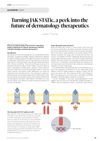 August 2024 in “New Zealand Medical Student Journal”
 JAK inhibitors show promise for treating skin diseases effectively and safely.
June 2024 in “Journal of Drug Delivery Science and Technology” Nanocarrier-based treatments show promise for better hair growth in androgenetic alopecia but need more research.
June 2024 in “Military Medicine” Access to JAK inhibitors for alopecia areata should be improved in the Military Healthcare System.
 April 2024 in “Medical & clinical research”
 More research is needed to find the best long-term treatments for Alopecia Areata.
 November 2023 in “Clinical, Cosmetic and Investigational Dermatology”
 Saw palmetto extract reduced hair loss and improved hair growth in people with hair thinning.
 September 2023 in “JAAD case reports”
 A man developed oral hairy leukoplakia while on baricitinib, a medication for alopecia and arthritis, and doctors should watch for such side effects.
 August 2023 in “Medical Hypotheses”
 Metformin, usually used for diabetes, can also help treat hair loss from alopecia areata due to its ability to reduce inflammation and stimulate new hair growth.
 August 2023 in “Indian journal of pediatrics/Indian Journal of Pediatrics”
 Topical treatments helped a child with Down syndrome and severe hair loss regrow most of his hair.
 July 2023 in “The Egyptian Journal of Hospital Medicine ”
 Alopecia areata is a hair loss condition caused by immune factors and can be treated with JAK inhibitors.