 1 citations
,
February 2004
1 citations
,
February 2004 Skin diseases are common and can significantly affect people's lives; better outcome measures and ethical clinical trials are needed to improve dermatology care.
 1 citations
,
April 1976 in “Archives of Dermatology”
1 citations
,
April 1976 in “Archives of Dermatology” Sudden weight loss can cause significant hair loss, and using colchicine on the skin for psoriasis may be unsafe.
 1 citations
,
April 2019 in “Journal of Investigative Dermatology”
1 citations
,
April 2019 in “Journal of Investigative Dermatology” Oral minoxidil can potentially increase hair growth in people suffering from Central Centrifugal Cicatricial Alopecia.
 1 citations
,
May 2006 in “Expert Opinion on Therapeutic Patents”
1 citations
,
May 2006 in “Expert Opinion on Therapeutic Patents” No FDA-approved treatments for chemotherapy-induced hair loss existed in 2006; more research was needed.
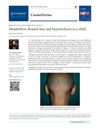 January 2026 in “Cosmoderma”
 A 9-year-old girl has a rare hair disorder causing beaded, sparse hair.
 January 2026 in “International Journal of Research and Innovation in Applied Science”
 Ayurvedic treatment may help manage alopecia areata.
 December 2025 in “International Journal of Research in Dermatology”
 A multidisciplinary approach is crucial for effectively managing hair loss linked to endocrine and gynecological disorders.

Combining hydroxychloroquine and pimecrolimus can effectively treat hair loss from discoid lupus.
April 2024 in “JAAD Case Reports” Wearing fire helmets may worsen lichen planopilaris in firefighters.

The woman was diagnosed with lichen sclerosus, a rare skin condition, after initial misdiagnosis and ineffective treatments.
 September 2021 in “Mağallaẗ al-Muẖtar li-l-ʿulūm”
 Two sisters have rare hair disorders causing short, fragile, kinky hair.
 April 2021 in “International Journal of Research in Dermatology”
 A child with a rare scalp condition regrew hair after treatment.
 December 2019 in “Journal of pediatrics & neonatology”
 A 13-year-old boy had a rare, stable type of hair loss with little chance of regrowth, but treatment is available for looks.
 July 2018 in “Elsevier eBooks”
 Lichen Planopilaris is a hair loss condition best treated early with various medications, including hydroxychloroquine, to prevent permanent baldness.
 January 2018 in “Elsevier eBooks”
 Different nail disorders are treated by targeting their specific causes and using appropriate medications or protective measures.
 May 2017 in “IOSR journal of dental and medical sciences”
 Both Betasalic ointment and 5% minoxidil are effective and safe for treating Alopecia Areata.
 April 2016 in “Journal of The American Academy of Dermatology”
 Dutasteride is more effective than finasteride for hair growth with similar side effects.
 January 2015 in “British journal of medicine and medical research”
 A woman with severe hair loss due to systemic sclerosis regrew her hair in 4 months using a combination of treatments.

Different hair and nail conditions can indicate health issues and have specific treatments; accurate diagnosis is crucial before treatment.
 May 2013 in “Trends in Urology & Men's Health”
 Male-pattern hair loss is normal, often involves hormone effects on hair follicles, and can be treated with medication or surgery, but new treatments are being researched.
 June 2008 in “British Journal of Dermatology”
 Herpes gestationis is linked to certain antigens, atopic eczema affects T cell populations and may be eased by breastfeeding, higher doses of anti-androgen treatment can improve androgenic alopecia, topical minoxidil increases hair thickness, long-term methotrexate therapy can cause liver fibrosis in psoriasis patients, and Lichen Sclerosus et Atrophicus patients aren't at higher risk for autoimmune disorders.
 July 1980 in “Journal of The American Academy of Dermatology”
 The conference concluded that understanding hair and nail disorders is important, iron deficiency may be linked to hair loss, and while some treatments for skin conditions are effective, they may have risks and high costs.

Using too much topical minoxidil can cause serious side effects like dizziness and low blood pressure.
 January 2018 in “Advances in Dermatology and Allergology”
 Treatment with dapsone, topical corticosteroids, and antibiotics improved the man's skin conditions.

SMP creates illusion of full hair, addressing various issues and bringing happiness to those with thinning hair.
 421 citations
,
April 2012 in “The New England Journal of Medicine”
421 citations
,
April 2012 in “The New England Journal of Medicine” Alopecia Areata is an autoimmune condition causing hair loss with no cure and treatments that often don't work well.
 254 citations
,
September 2014 in “Menopause”
254 citations
,
September 2014 in “Menopause” The NAMS 2014 recommendations guide healthcare providers on treating health issues in midlife women, emphasizing individualized care and informed decision-making.
 164 citations
,
April 2008 in “Cochrane library”
164 citations
,
April 2008 in “Cochrane library” Current treatments for alopecia show no significant long-term benefits.
 151 citations
,
February 2007 in “International Journal of Dermatology”
151 citations
,
February 2007 in “International Journal of Dermatology” Alopecia areata causes hair loss, has no cure, and various treatments exist.
 147 citations
,
January 2003 in “American journal of clinical dermatology”
147 citations
,
January 2003 in “American journal of clinical dermatology” The document concludes that accurate diagnosis of ichthyosis is crucial for treatment and genetic advice, and ongoing research is needed for better therapies.