 37 citations
,
March 1990 in “The Journal of Pediatrics”
37 citations
,
March 1990 in “The Journal of Pediatrics” Toxic shock syndrome is caused by a complex interaction of bacterial toxins and the immune system, and understanding this can help improve diagnosis and treatment.
2 citations
,
June 2024 in “Parasites & Vectors” Chronic T. gondii infection may harm male fertility.
January 2023 in “Indian Journal of Forensic and Community Medicine” Thallium poisoning is dangerous but treatable with specific medical interventions.
 5 citations
,
January 2021 in “Daru”
5 citations
,
January 2021 in “Daru” A woman had severe reactions to methotrexate, including skin issues and organ problems, but improved after 38 days in the hospital.
October 2025 in “Brazilian Journal of Veterinary Research and Animal Science” Neotropical porcupines can get co-infected with poxvirus and Toxoplasma gondii.
 April 2025 in “Journal of Applied Veterinary Science And Technology”
 The cat's health improved significantly after treatment.
7 citations
,
April 1979 in “The Journal of Pediatrics”  January 2024 in “Current research in toxicology”
 Thallium is highly toxic, causing severe health issues, and Prussian blue is the best antidote.
50 citations
,
November 1984 in “Journal of Heredity” Lethal-milk mice produce zinc-deficient milk, causing health issues in pups unless supplemented with zinc.
September 2016 in “Case Reports in Internal Medicine” Chronic arsenic toxicity can cause diabetes and may not improve even with treatment.
 301 citations
,
May 1998 in “Genes & Development”
301 citations
,
May 1998 in “Genes & Development” Ets2 gene is crucial for placental development in mice.
2 citations
,
May 2018 in “PubMed” Pregnant women with isolated hypothyroxinemia face more health issues, so iodine and folic acid supplements are important before and during early pregnancy.
 47 citations
,
June 2012 in “Genes & Development”
47 citations
,
June 2012 in “Genes & Development” A mother's western diet can make her milk toxic, causing inflammation and hair loss in babies.
Low levels of tenuazonic acid can severely damage vital organs.
 1 citations
,
July 2024 in “Cureus”
1 citations
,
July 2024 in “Cureus” Early recognition of methotrexate toxicity symptoms is crucial.
 January 2024 in “Jurnal Ilmu Kesehatan Hewan”
 The dog recovered well after treatment, showing no skin issues and normal hair growth.
 April 2020 in “The FASEB Journal”
 Testosterone increases heart and blood pressure issues in rats with endotoxemia, and stopping testosterone production can reduce these problems.
 April 2020 in “Journal of the Endocrine Society”
 A rare ovarian tumor that produced testosterone caused a blood clot in the lungs and increased red blood cells in a woman.
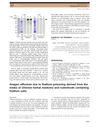 5 citations
,
June 2015 in “Journal of dermatology”
5 citations
,
June 2015 in “Journal of dermatology” A woman and her daughter had thallium poisoning from a herbal drink and rodenticide, causing hair loss and other symptoms.
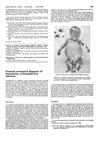 39 citations
,
June 1982 in “The BMJ”
39 citations
,
June 1982 in “The BMJ” Blood tests confirmed a baby in the womb had a CMV infection.
 November 2023 in “Jurnal Ilmu Kesehatan Hewan”
 The dog's condition improved after 21 days of treatment.
5 citations
,
January 2022 in “Pesquisa Veterinária Brasileira” Copper deficiency in goats and kids caused health and reproductive problems due to excess iron intake.
 4 citations
,
January 2017 in “Ciência Rural”
4 citations
,
January 2017 in “Ciência Rural” A horse in Brazil with skin and gut issues was diagnosed with a severe disease and had to be euthanized.
 January 2024 in “Brazilian Journal of Veterinary Pathology”
 The horse had a rare disease causing weight loss and skin issues, leading to euthanasia due to poor treatment options.
3 citations
,
October 2024 in “Veterinary Medicine and Science” Topical moxidectin effectively treats mange in wombats.
1 citations
,
April 2024 in “Pathogens” A pet ferret had a serious infection from Mycobacterium xenopi, which can spread to humans.
 June 2017 in “Acta Scientiae Veterinariae”
 A cat with a rare pancreatic tumor and diabetes died despite treatment, showing similar symptoms to a human condition.
71 citations
,
June 2008 in “Annals of Internal Medicine” Excessive selenium from supplements can be harmful.
research 1249
December 2012 in “Critical Care Medicine” Recognizing myxedema coma is crucial due to its high risk and unusual symptoms.