3 citations
,
January 2022 in “Burns & Trauma” CTHRC1 helps sweat glands recover by rebuilding nearby blood vessels.
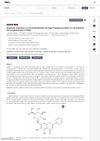
Enzymatic synthesis improved the water solubility of the flavonoid baicalin, which may help treat hair loss conditions.
26 citations
,
September 2013 in “Journal of Dermatological Science” Serum granulysin levels can indicate the activity and prognosis of alopecia areata.
 October 2025 in “EMJ Dermatology”
 GLP-1RA therapy may increase the risk of hair loss.
A 9-year-old girl developed type 1 diabetes and alopecia after being treated for a rare kidney disease.
89 citations
,
October 2003 in “Biology of the Cell” Galectin-1 helps in RNA processing in cell nuclei.
2 citations
,
July 1999 in “JEADV. Journal of the European Academy of Dermatology and Venereology/Journal of the European Academy of Dermatology and Venereology” Proteolytic enzymes damaged hair follicle stem cells in transgenic mice.
 April 2016 in “The journal of investigative dermatology/Journal of investigative dermatology”
 RPGRIP1L helps skin cells stick together by blocking PKCβII, which can prevent skin blistering like in pemphigus.
July 2024 in “Journal of Investigative Dermatology” Recombinant human TSG-6 speeds up wound healing in diabetic mice.
82 citations
,
July 2012 in “Brain pathology” High LGR5 levels in glioblastoma indicate poor prognosis and are essential for cancer stem cell survival.
1 citations
,
November 2024 in “Orphanet Journal of Rare Diseases” Changes in genes FGA, VWF, and ACTG1 may contribute to pemphigus vulgaris.
 4 citations
,
October 2022 in “International Journal of Molecular Sciences”
4 citations
,
October 2022 in “International Journal of Molecular Sciences” Thy-1 protein helps improve blood flow and wound healing in the skin.
 April 2018 in “Journal of Investigative Dermatology”
 High amphiregulin in the skin is a bad sign for acute graft-versus-host disease.
 3 citations
,
July 2022 in “Stem Cell Research & Therapy”
3 citations
,
July 2022 in “Stem Cell Research & Therapy” Turning off a specific gene in stem cells speeds up skin healing by helping cells move better.
 April 2023 in “Journal of Investigative Dermatology”
 Using DNase enzymes to break down harmful NETs could be a new treatment for Stevens-Johnson syndrome and toxic epidermal necrolysis.
15 citations
,
June 2011 in “Journal of Investigative Dermatology” Overexpressing 14-3-3σ in mice skin reduces cell growth and hair density.
May 2024 in “Archives of Dermatological Research” TAT-GILZ peptide promotes hair growth by boosting stem cell activity.
13 citations
,
January 2018 in “Advances in experimental medicine and biology” 51 citations
,
January 1997 in “PubMed” GABEB is a less severe skin condition caused by a gene mutation affecting collagen, leading to blisters and other symptoms.
 3 citations
,
January 2014 in “International Journal of Medical Sciences”
3 citations
,
January 2014 in “International Journal of Medical Sciences” Mice with human chymase had a higher death rate when exposed to a toxin compared to normal mice.
December 2020 in “Forum Dermatologicum” Intralesional triamcinolone acetonide can effectively limit the progression of GLPLS.
1 citations
,
May 2012 in “International Conference on Biomedical Engineering and Biotechnology” TGF-β receptor 1 helps deer antlers grow by aiding skin and cartilage cell growth.
January 2025 in “International Journal of Pharmaceutics” The treatment showed significant hair regrowth in alopecia areata patients without side effects.
171 citations
,
June 2004 in “Journal of Investigative Dermatology” GLI2 activates GLI1, promoting skin tumor growth and hair development.
 April 2018 in “Journal of Investigative Dermatology”
 Resveratrol activates the Nrf2 pathway in human skin, significantly increasing the production and distribution of the antioxidant glutathione.
2 citations
,
May 2022 in “The journal of immunology/The Journal of immunology” BST2 protein and certain T cells increase in early alopecia areata.
 February 2026 in “Archives of Dermatological Research”
 Microneedle-delivered polyglutamate effectively and safely improves hair growth in androgenetic alopecia.
January 2016 in “Zurich Open Repository and Archive (University of Zurich)” Dietary L-serine supplementation can reduce symptoms of HSAN1 by lowering harmful 1-deoxySL levels.
The trichohyalin gene is located at chromosomal region 1q21 with other skin-related protein genes.
3 citations
,
June 2023 in “Modern Pathology” GLI1 RNA CISH effectively identifies basal cell carcinoma but is less specific for benign follicular tumors.