24 citations
,
February 1986 in “Cancer” A pancreatic tumor caused high glucagon levels and symptoms, but treatment reduced glucagon and shrank liver tumors.
10 citations
,
June 2021 in “Journal of Investigative Dermatology” 2 citations
,
July 1999 in “JEADV. Journal of the European Academy of Dermatology and Venereology/Journal of the European Academy of Dermatology and Venereology” Proteolytic enzymes damaged hair follicle stem cells in transgenic mice.
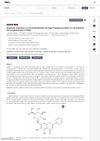
Enzymatic synthesis improved the water solubility of the flavonoid baicalin, which may help treat hair loss conditions.
 September 2020 in “bioRxiv (Cold Spring Harbor Laboratory)”
 Glutamic acid helps mice grow hair.
16 citations
,
June 1992 in “Journal of Investigative Dermatology”  28 citations
,
May 2020 in “BMC plant biology”
28 citations
,
May 2020 in “BMC plant biology” The study concluded that three enzymes are important for plant development by affecting sugar composition and calcium binding in plants.
December 2020 in “Forum Dermatologicum” Intralesional triamcinolone acetonide can effectively limit the progression of GLPLS.
January 2024 in “Doria (University of Helsinki)” Keratins help GLUT2 stay on the cell membrane in pancreatic β-cells.
 February 2026 in “Archives of Dermatological Research”
 Microneedle-delivered polyglutamate effectively and safely improves hair growth in androgenetic alopecia.
13 citations
,
January 2018 in “Advances in experimental medicine and biology”  150 citations
,
August 1992 in “Genes & Development”
150 citations
,
August 1992 in “Genes & Development” TNF alpha in skin cells causes weight loss, hair and fat issues, and skin inflammation in mice.
September 2023 in “Journal of the American Academy of Dermatology” Dermatologists should consider alpha-gal syndrome in patients with unexplained chronic skin issues.
 3 citations
,
January 2014 in “International Journal of Medical Sciences”
3 citations
,
January 2014 in “International Journal of Medical Sciences” Mice with human chymase had a higher death rate when exposed to a toxin compared to normal mice.
January 2025 in “International Journal of Pharmaceutics” The treatment showed significant hair regrowth in alopecia areata patients without side effects.
July 2024 in “Journal of Investigative Dermatology” Recombinant human TSG-6 speeds up wound healing in diabetic mice.
8 citations
,
January 2017 in “Journal of Biological Chemistry” Astrotactin-2 is cleaved in a specific way that helps understand its maturation.
1 citations
,
February 2025 in “Journal of the Neurological Sciences” Beta-trace protein may help diagnose and predict treatment response in certain nerve disorders.
63 citations
,
May 2015 in “PloS one” GALT5 and GALT2 are important for plant growth and development because they help with protein glycosylation.
 April 2018 in “Journal of Investigative Dermatology”
 Resveratrol activates the Nrf2 pathway in human skin, significantly increasing the production and distribution of the antioxidant glutathione.
4 citations
,
April 1986 in “Cancer Letters” GSH-T levels in hair follicles are similar in smokers and non-smokers and don't increase with certain treatments.
 29 citations
,
December 2017 in “Molecular therapy”
29 citations
,
December 2017 in “Molecular therapy” Enzyme replacement therapy improved multiple symptoms of homocystinuria in mice.
 165 citations
,
January 2008 in “Journal of biomaterials science. Polymer ed.”
165 citations
,
January 2008 in “Journal of biomaterials science. Polymer ed.” The peptide GHK-Cu helps heal and remodel tissue, improves skin and hair health, and has potential for treating age-related inflammatory diseases.
May 2024 in “Archives of Dermatological Research” TAT-GILZ peptide promotes hair growth by boosting stem cell activity.
1 citations
,
July 2025 in “Advanced Materials” The zinc-coordinated nanogel therapy speeds up wound healing after pancreas surgery by balancing metabolism and fighting bacteria.
1 citations
,
November 1975 in “PubMed” GRF is not safe for tubal occlusion.
 January 2024 in “Authorea (Authorea)”
 Using laccase to add poly(tyrosine) to wool makes it less likely to shrink and stronger.
 January 2025 in “Frontiers in Immunology”
 IVIG therapy significantly improved symptoms in a patient with APS-2 and SPS.
8 citations
,
November 1976 in “Journal of Investigative Dermatology”  11 citations
,
January 2013 in “International Journal of Trichology”
11 citations
,
January 2013 in “International Journal of Trichology” A man got an allergic skin reaction from using superglue on a wig.