 June 2020 in “bioRxiv (Cold Spring Harbor Laboratory)”
 Lef1 helps adult skin cells maintain their ability to heal wounds and regenerate hair, but the study's methods and conclusions have been questioned.
22 citations
,
April 2004 in “Journal of Neurochemistry” Acute stress increases Y1 receptor gene expression in certain brain areas, but repeated stress does not.
January 1990 in “UCL Discovery (University College London)” The guinea pig α-lactalbumin gene was successfully expressed in the mammary glands of transgenic mice.
136 citations
,
March 1998 in “Oncogene” Overexpression of E2F1 can lead to skin tumors and disrupt hair growth.
115 citations
,
December 2001 in “Endocrinology” Expressing the human vitamin D receptor in skin cells prevents hair loss in certain mice.
13 citations
,
July 1994 in “PubMed” Keratins K6 and K16 are expressed more freely in regenerating mouse skin than K1 and K10.
 November 2022 in “Journal of Investigative Dermatology”
 Scientists found a new type of skin cell that could help with skin repair and these cells work better with a certain protein.
July 2002 in “Science Signaling” Modified β-catenin can cause different effects in mouse skin cells, leading to cysts or tumors depending on the cell type.
85 citations
,
March 2008 in “Journal of Cell Science” The mutation causing Hutchinson-Gilford progeria syndrome leads to severe skin problems and early death in mice.
72 citations
,
July 2002 in “Journal of Investigative Dermatology” Desmoglein 1 can partly make up for the loss of Desmoglein 3 in hair adhesion but not in mucous membranes.
September 1999 in “Molecular Carcinogenesis” Increased ODC expression makes normally tumor-resistant mice more prone to tumor development.
 9 citations
,
March 2019 in “Scientific reports”
9 citations
,
March 2019 in “Scientific reports” Temporary ROS production in cultured human hair follicles promotes growth and stem cell activation.
 33 citations
,
February 1999 in “The journal of investigative dermatology/Journal of investigative dermatology”
33 citations
,
February 1999 in “The journal of investigative dermatology/Journal of investigative dermatology” IGF-1 increases whisker growth in transgenic mice.
 75 citations
,
October 2016 in “Genes & Development”
75 citations
,
October 2016 in “Genes & Development” Cells in hair follicles help create fat cells in the skin by releasing a protein called Sonic Hedgehog.
July 2025 in “Journal of Investigative Dermatology” Laser treatment boosts hair growth by activating a key growth factor.
15 citations
,
November 2007 in “Journal of Neurochemistry” Stopping alcohol after long-term use causes anxiety and changes brain chemicals.
A new microneedle patch effectively treats hair loss by delivering growth factors to the skin.
 April 2016 in “Journal of Investigative Dermatology”
 Blocking Prostaglandin D₂ (PGD₂) could help treat hair loss.
 37 citations
,
January 2011 in “Annals of Dermatology”
37 citations
,
January 2011 in “Annals of Dermatology” ALA-photodynamic therapy helps reduce acne by causing acne cell death and lowering certain skin protein levels.
 67 citations
,
December 2019 in “PloS one”
67 citations
,
December 2019 in “PloS one” Beta-caryophyllene helps improve wound healing in mice, especially in females.
 44 citations
,
September 2019 in “The EMBO Journal”
44 citations
,
September 2019 in “The EMBO Journal” Lymphatic vessels are essential for hair follicle growth and skin regeneration.
1 citations
,
April 2012 in “Cancer Research” Antizyme reduces tumor growth and normalizes skin cell development affected by MEK.
June 2026 in “Journal of Investigative Dermatology” Retinoic acids temporarily change skin stem cells to a slower cycle and more differentiated state.
August 2022 in “Theriogenology” Neurosteroids affect prolactin levels in sheep differently depending on stress and pregnancy conditions.
 2 citations
,
August 1994 in “Archives of dermatology”
2 citations
,
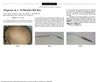
August 1994 in “Archives of dermatology” A 19-month-old boy with a rare hair disorder showed mild improvement with treatment, but his family chose gentle hair care due to limited success.
 November 2022 in “Journal of Investigative Dermatology”
 Short-term treatment with ROCKi increases skin cell growth without changing stem cell features.
 April 2016 in “Journal of Investigative Dermatology”
 Blocking Oncostatin M's role in the JAK-STAT pathway can stimulate hair growth in mice.
 363 citations
,
March 2017 in “Nature Communications”
363 citations
,
March 2017 in “Nature Communications” Stem cells help heal wounds by rapidly dividing and migrating to the wound edge.
Different types of sun exposure can damage skin cells and affect healing, with chronic exposure being more harmful, and certain immune cells help in the repair process.
 April 2018 in “The journal of investigative dermatology/Journal of investigative dermatology”
 Electrical epilation damages hair follicles and surrounding skin, likely preventing hair regrowth.