 April 2020 in “JOJ dermatology & cosmetics”
 New eyebrow transplant method from Taiwan gives good results without lasers or tattoos.
 September 2017 in “Springer eBooks”
 FUE hair transplants have improved to give more natural results with less scarring and pain.
 September 2015 in “Actas Dermo-Sifiliográficas”
 People with advanced chronic kidney disease often have skin problems, which can be treated with various medications and procedures to improve their quality of life.
 July 2015 in “Hair transplant forum international”
 Facial hair transplants are generally successful, with hair growth beginning around 3 months post-surgery.
 January 2013 in “프로그램북(구 초록집)”
 Hair restoration surgery is improving, with less painful techniques like FUE and robotic systems, but they can be costly and require training.
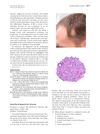
The man has Temporal Triangular Alopecia, a stable, non-scarring hair loss condition best treated with hair transplantation.
 August 2009 in “Journal of Oral and Maxillofacial Surgery”
 Hair transplantation and micrografting are effective for cosmetic facial enhancement, requiring careful technique and postoperative care for successful outcomes.

Hair restoration surgery has improved to transplant hair in natural groupings, but it's labor-intensive and can't fully restore normal hair density.
 May 2005 in “Seminars in Plastic Surgery”
 The Erbium YAG laser is effective in hair restoration, resulting in high yield and density, but it's not recommended for second replacements or those with good-quality hair.
 June 2004 in “Dermatologic Surgery”
 Dr. Walter P. Unger suggests that copying a person's natural hair direction and angle during transplants leads to a more natural and fuller appearance.
January 2004 in “Chinese Journal of Medical Aesthetics and Cosmetology” Hair transplantation is effective for seborrheic hair loss if done carefully.
 July 2003 in “Journal of Cutaneous Medicine and Surgery”
 Minoxidil may improve hair transplants and combining treatments could help alopecia areata.
 September 2002 in “Dermatologic Surgery”
 The best results in surgical hair restoration come from careful techniques, optimal use of limited hair supply, correct hair direction, saving hair for key areas, understanding scarring effects, and adjusting hair graft density.

Dense-packing hair grafting is a simple, safe, and effective way to restore hair in people with cicatricial alopecia.
 March 2000 in “Aesthetic Surgery Journal”
 Hair transplantation techniques have improved and are beneficial for aesthetic surgery practices.
 September 1997 in “Dermatologic Surgery”
 The article concludes that uniform density hair restoration is generally preferred for its natural look, but the best approach depends on the individual's characteristics and preferences.
 March 1997 in “The American Journal of Cosmetic Surgery”
 A new hair transplant method showed promising results and a study found how deep a CO₂ laser can penetrate skin.
March 2021 in “Zagazig university medical journal” Using PRP with hair transplants improves hair growth and quality.
 5 citations
,
January 1985 in “Facial Plastic Surgery”
5 citations
,
January 1985 in “Facial Plastic Surgery” Flap surgery is effective for treating male baldness, offering immediate results with dense hair growth.
 72 citations
,
September 1997 in “Dermatologic Surgery”
72 citations
,
September 1997 in “Dermatologic Surgery” Careful planning and patient counseling can lead to excellent hair transplant results, often in one or two sessions.
 32 citations
,
September 1997 in “Dermatologic Surgery”
32 citations
,
September 1997 in “Dermatologic Surgery” Mini-micrografting in hair transplants can give similar density to older methods with fewer sessions.
 31 citations
,
May 2008 in “Drug Discovery Today: Disease Mechanisms”
31 citations
,
May 2008 in “Drug Discovery Today: Disease Mechanisms” Different hair growth problems are caused by genetic issues or changes in hair growth cycles, and new treatments are being developed.
 14 citations
,
January 2013 in “Journal of Cutaneous Medicine and Surgery”
14 citations
,
January 2013 in “Journal of Cutaneous Medicine and Surgery” Some cancer treatments can cause permanent hair loss.
 13 citations
,
November 2018 in “Annals of Plastic Surgery”
13 citations
,
November 2018 in “Annals of Plastic Surgery” Nonshaven follicular unit extraction is a good hair transplant option that doesn't require shaving and can transplant up to 3000 grafts daily.
 11 citations
,
June 2008 in “Dermatologic Surgery”
11 citations
,
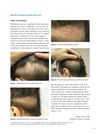
June 2008 in “Dermatologic Surgery” Transplanting chest hair into scalp scars may effectively treat wide donor scars in hair restoration.
 4 citations
,
August 2018 in “Journal of Cosmetic Dermatology”
4 citations
,
August 2018 in “Journal of Cosmetic Dermatology” Actual harvested hair follicles were fewer and differed in type from estimated, with older patients and those with multiple transplants needing more careful planning.
 April 2023 in “Research Square (Research Square)”
 The follicular unit extraction technique is a successful treatment for male hair loss with over 90% hair survival rate and less than 6% complications.
Dermoscopy helps diagnose and differentiate various hair and scalp conditions.
 September 2014 in “Springer eBooks”
 Aging causes hair to gray and thin, with the timing of graying varying by race, and factors like oxidative stress and genetics can lead to hair loss.
January 2008 in “EMC - Cosmetologia Medica e Medicina degli Inestetismi Cutanei” New techniques and treatments can effectively and safely increase hair density for everyone.