 2 citations
,
April 2025 in “Cureus”
2 citations
,
April 2025 in “Cureus” Ki-67 levels do not predict treatment response in triple-negative breast cancer.
 15 citations
,
March 2018 in “Journal of The American Academy of Dermatology”
15 citations
,
March 2018 in “Journal of The American Academy of Dermatology” PRP therapy improves hair density and thickness in AGA patients, even with other treatments.
6 citations
,
June 2025 in “Nano Biomedicine and Engineering” Smart nano-PROTACs improve cancer treatment by targeting proteins more precisely and reducing side effects.
 1 citations
,
September 2023 in “Drug development and industrial pharmacy”
1 citations
,
September 2023 in “Drug development and industrial pharmacy” The optimized formula promotes significant hair growth and could be a viable hair loss treatment.
 1 citations
,
December 2021 in “JAAD case reports”
1 citations
,
December 2021 in “JAAD case reports” A woman with severe hair loss saw significant hair regrowth after adding platelet-rich plasma injections to her treatment with tofacitinib.
 1 citations
,
April 2018 in “Journal of Investigative Dermatology”
1 citations
,
April 2018 in “Journal of Investigative Dermatology” People respond differently to hair loss treatment with PRP because of individual differences in growth factors from platelets.
September 2024 in “Dokumentenrepositorium der RUB (Ruhr University Bochum)” Higher monocyte counts predict less effective adalimumab treatment in hidradenitis suppurativa patients.
 January 2023 in “Applied sciences”
 Gefitinib and Sasam-Kyeongokgo together significantly reduce cancer growth and improve immune response in mice.
 August 2022 in “Journal of the American Academy of Dermatology”
 The authors agree they didn't discuss the risks of too much micronutrients and value the focus on biotin deficiency signs and treatment effectiveness.
July 2022 in “International Medical Case Reports Journal” The 6-year-old Somalian girl fully recovered from her symptoms after successful surgery and treatment.
 July 2012 in “EFSA supporting publications”
 The EFSA maintained its view that spermidine's effect on hair growth is related to disease treatment and does not meet the health claim criteria.
 5 citations
,
February 2024 in “Clinical Pharmacokinetics”
5 citations
,
February 2024 in “Clinical Pharmacokinetics” A 50 mg daily dose of ritlecitinib is effective for alopecia areata, with temporary treatment breaks up to 6 weeks not affecting results.
 2 citations
,
December 2019 in “Journal of Dermatological Treatment”
2 citations
,
December 2019 in “Journal of Dermatological Treatment” Metabolic syndrome reduces effectiveness of hair loss treatment.
December 2025 in “Frontiers in Nutrition” The albumin change rate helps predict treatment success in AIDS-related non-Hodgkin lymphoma.
April 2023 in “Journal of Investigative Dermatology” Contact immunotherapy can change immune responses in alopecia areata, suggesting new treatment targets.
 176 citations
,
June 2016 in “PLoS ONE”
176 citations
,
June 2016 in “PLoS ONE” Nucleic acid polymers can enhance antiviral responses and improve treatment outcomes for chronic hepatitis B.
 117 citations
,
March 2013 in “Journal of the European Academy of Dermatology and Venereology”
117 citations
,
March 2013 in “Journal of the European Academy of Dermatology and Venereology” No effective treatment for frontal fibrosing alopecia was found, but oral 5-alpha-reductase inhibitors had the best response; for lichen planopilaris, topical corticosteroids were commonly used but had a high relapse rate.
 5 citations
,
August 2018 in “PubMed”
5 citations
,
August 2018 in “PubMed” An 8-year-old with severe hair loss regrew all hair after six months of tofacitinib treatment.
 April 2019 in “The journal of investigative dermatology/Journal of investigative dermatology”
 Machine learning can predict how well patients with alopecia areata will respond to certain treatments.
57 citations
,
November 2024 in “Aggregate” Smart hydrogels can improve diabetic wound healing by adapting to wound conditions and providing controlled treatment.
 48 citations
,
January 2024 in “Immune Network”
48 citations
,
January 2024 in “Immune Network” IL-15 is key for T cell function and could help improve treatments for immune-related diseases.
 36 citations
,
August 2021 in “Nature Cell Biology”
36 citations
,
August 2021 in “Nature Cell Biology” Organoids can help study COVID-19 and develop treatments, but face challenges like instability and limited renewal.
 16 citations
,
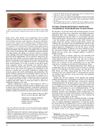
August 2011 in “Annals of Allergy Asthma & Immunology”
16 citations
,
August 2011 in “Annals of Allergy Asthma & Immunology” A woman with severe angioedema improved significantly after treatment with rituximab.
5 citations
,
January 2024 in “JID Innovations” CCCA involves immune response and metabolism issues, suggesting new treatment options.
 4 citations
,
March 2017 in “PubMed”
4 citations
,
March 2017 in “PubMed” Increasing the dosage of minoxidil can help hair regrowth in women who didn't respond to the standard treatment.
Four transcription factors can convert mouse cells into hair cell-like cells, aiding hearing loss research and treatment.
February 2026 in “American Journal Of Pathology” Skin organoids can mimic human skin responses to injury and inflammation, making them useful for studying skin diseases and testing treatments.
 October 2024 in “Consilium Medicum”
 Understanding fibroblasts helps improve cosmetic treatments for aging skin.
Alopecia Areata is treated with drugs and therapies to reduce inflammation and immune response.
September 2017 in “The journal of investigative dermatology/Journal of investigative dermatology” Different types of human skin cells respond uniquely to various colors and doses of light, which could lead to specialized light treatments for skin conditions.