20 citations
,
February 2004 in “Clinical & Experimental Immunology” SADBE treatment led to complete hair regrowth in mice with alopecia areata by altering immune cell movement.
41 citations
,
May 2020 in “Frontiers in immunology” Hidradenitis suppurativa might be a type of autoinflammatory skin disease.
20 citations
,
December 2020 in “Frontiers in Immunology” The immune processes causing VKH and vitiligo are similar in dogs and humans.
 130 citations
,
November 2017 in “Frontiers in Immunology”
130 citations
,
November 2017 in “Frontiers in Immunology” The conclusion is that Treg-targeted therapies have potential, but more knowledge of Treg biology is needed for effective treatments, including for cancer.
3 citations
,
September 2025 in “Frontiers in Immunology” JAK inhibitors are effective for treating moderate-to-severe alopecia areata.

The reviewers suggest clarifying and expanding on the role of inflammation in stem cell-related cancer development.
January 2013 in “Biology of blood and marrow transplantation” Rapamycin increased survival in mice with severe chronic graft-versus-host disease by expanding regulatory T cells.
Regulatory T cells enhance bone formation by influencing cell mechanics.

Dexamethasone-primed stem cell media shows promise in treating lupus by reducing symptoms and inflammation.
 January 2023 in “Åbo Akademi University Research Portal”
 Vimentin is crucial for wound healing, cell growth, and managing immune responses.
45 citations
,
June 2018 in “Frontiers in immunology” MDSC-Exo can treat autoimmune alopecia areata and promote hair regrowth in mice.
1 citations
,
May 2025 in “The Journal of Dermatology” Increased regulatory T cell activity may lead to better outcomes in acute diffuse and total alopecia.
23 citations
,
January 2016 in “Frontiers in immunology” Using low-dose IL-2 to increase regulatory T cells might be a safe way to treat type 1 diabetes without severe side effects.
46 citations
,
November 2022 in “The Journal of Dermatology” Bullous pemphigoid is influenced by genetic factors, immune cell dysfunction, aging, and triggers, with treatment often improving symptoms.
61 citations
,
December 2021 in “Frontiers in Cell and Developmental Biology” Vitiligo treatments are improving but still face challenges and high relapse rates.
December 2021 in “Figshare” New therapies like JAK inhibitors and stem cells show promise for treating vitiligo.
39 citations
,
April 2019 in “The journal of immunology/The Journal of immunology” Malt1 protease is essential for regulatory T cell function and could be targeted to boost antitumor immunity.
July 2026 in “Journal of Investigative Dermatology” Gut microbes influence how different fats affect skin and hair health.
5 citations
,
February 2022 in “Stem cell reports” Thymic stromal lymphopoietin (TSLP) promotes hair growth, especially after skin injury.
 3 citations
,
October 2023 in “Military Medical Research/Military medical research”
3 citations
,
October 2023 in “Military Medical Research/Military medical research” Regulatory T cells help heal skin and grow hair, and their absence can lead to healing issues and hair loss.
 1 citations
,
January 2023 in “International Journal of Molecular Sciences”
1 citations
,
January 2023 in “International Journal of Molecular Sciences” Understanding how Regulatory T Cells work could help create treatments for certain skin diseases and cancers.
5 citations
,
June 2022 in “Biophysical Journal” TGF-β and TNF influence hair follicle cell fate, with TNF being more effective in triggering cell death.
1 citations
,
January 2025 in “Medicine” Targeting SOX proteins may improve cancer treatment by restoring immune function.
June 2020 in “Journal of Investigative Dermatology” The symposium highlighted the importance of genetics in understanding and treating complex skin diseases.
 29 citations
,
February 2018 in “European Journal of Immunology”
29 citations
,
February 2018 in “European Journal of Immunology” Regulatory T cells are essential for normal and improved wound healing in mice.
 October 2023 in “Benha Journal of Applied Sciences”
 PPAR-γ may be a key target for treating alopecia areata and other skin conditions.
 18 citations
,
November 2018 in “Annals of the Academy of Medicine Singapore”
18 citations
,
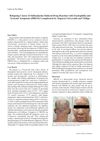
November 2018 in “Annals of the Academy of Medicine Singapore” Sulfasalazine can cause severe allergic reactions leading to long-term autoimmune issues like hair loss and skin discoloration.
 December 2024 in “Kufa Medical journal”
 Higher levels of IL-17A and IL-2 are linked to alopecia areata.
 April 2024 in “Más dermatología”
 Oral collagen peptides can improve skin health and aid wound healing.
 January 2026 in “Immune Network”
 Regulatory T cells adapt to different environments to control inflammation and support tissue repair.