 13 citations
,
December 2017 in “BMC Complementary and Alternative Medicine”
13 citations
,
December 2017 in “BMC Complementary and Alternative Medicine” The Asian herbal mix with Houttuynia cordata, Perilla frutescens, and green tea helped grow hair in mice.
 13 citations
,
October 2010 in “Pharmacogenomics”
13 citations
,
October 2010 in “Pharmacogenomics” Researchers found that most genes affecting drug responses are not fully covered by commercial SNP chips, suggesting the need for more comprehensive tools to optimize drug selection based on genetics.
 13 citations
,
July 2004 in “Skinmed”
13 citations
,
July 2004 in “Skinmed” Common types of non-scarring hair loss have various causes and treatments, but more effective solutions are needed.
 12 citations
,
July 2020 in “Dermatologic Therapy”
12 citations
,
July 2020 in “Dermatologic Therapy” Minoxidil, applied on the skin or taken orally, can improve hair growth in kids, but more research is needed due to possible side effects.
 12 citations
,
July 2016 in “British journal of dermatology/British journal of dermatology, Supplement”
12 citations
,
July 2016 in “British journal of dermatology/British journal of dermatology, Supplement” Different hair fiber development might explain why hair loss severity varies in patients with a specific genetic mutation, and treatments that thicken hair could help.
 12 citations
,
November 2014 in “Journal of Cutaneous Medicine and Surgery”
12 citations
,
November 2014 in “Journal of Cutaneous Medicine and Surgery” Antiviral medication valganciclovir may improve skin and hair in Trichodysplasia Spinulosa patients.
 12 citations
,
March 2013
12 citations
,
March 2013 Minoxidil cream can safely treat hair loss in kids with ectodermal dysplasia.
 12 citations
,
January 2005 in “Pediatric Dermatology”
12 citations
,
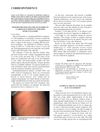
January 2005 in “Pediatric Dermatology” Fox Fordyce disease might be more common in prepubertal girls than thought and can be managed with treatment.
 12 citations
,
May 1989 in “Postgraduate Medicine”
12 citations
,
May 1989 in “Postgraduate Medicine” The document concludes that hair loss is common and can be treated with medications like minoxidil or surgical options, and it significantly affects people's psychological well-being.
 11 citations
,
August 2020 in “Dermatologic therapy”
11 citations
,
August 2020 in “Dermatologic therapy” The document concludes that mesotherapy can be effective for skin and hair treatments, but more research is needed to confirm its safety and effectiveness.