September 2022 in “International Journal of Trichology” Both microneedling and injections are equally effective for treating alopecia areata.
 15 citations
,
November 2015 in “Journal of Dermatology and Dermatologic Surgery”
15 citations
,
November 2015 in “Journal of Dermatology and Dermatologic Surgery” Mixing platelet-rich plasma with triamcinolone acetonide can potentially improve hair regrowth in alopecia areata patients.
13 citations
,
January 2018 in “International Journal of Trichology” Intralesional triamcinolone injections can effectively stop frontal fibrosing alopecia with minimal side effects.
11 citations
,
April 1997 in “International Journal of Dermatology” Using tretinoin with triamcinolone acetonide helps treat alopecia areata.
 November 2025 in “The Journal of Medical Sciences”
 Intralesional triamcinolone is more effective than cryotherapy for treating alopecia areata in middle-aged adults.
 January 2015 in “Our Dermatology Online”
 Intralesional triamcinolone is the most effective treatment for hair regrowth in alopecia areata patients.
 January 2015 in “Przegla̧d dermatologiczny”
 Intralesional triamcinolone is the most effective treatment for alopecia areata, followed by excimer light therapy, and then topical minoxidil. The scalp responds better to treatment than the beard area.
275 citations
,
November 2002 in “International Journal of Dermatology” Alopecia areata mainly affects young people and has significant psychological impacts, especially in males.
 205 citations
,
April 2013 in “British Journal of Dermatology”
205 citations
,
April 2013 in “British Journal of Dermatology” Platelet-rich plasma treatment significantly increased hair regrowth and decreased discomfort in alopecia patients, making it a potentially better and safer treatment option.
 182 citations
,
December 2017 in “Journal of the American Academy of Dermatology”
182 citations
,
December 2017 in “Journal of the American Academy of Dermatology” Some treatments can help with a hair loss condition called alopecia areata, but none ensure lasting results; choices depend on the person, with JAK inhibitors showing promise for severe cases.
178 citations
,
June 1994 in “Journal of Investigative Dermatology” Alopecia areata in these mice is inherited, more common in young females, and can be treated with triamcinolone acetonide.
 155 citations
,
September 2008 in “British journal of dermatology/British journal of dermatology, Supplement”
155 citations
,
September 2008 in “British journal of dermatology/British journal of dermatology, Supplement” FFA is more common in postmenopausal women, can affect younger women, and may stabilize over time.
 102 citations
,
April 2014 in “International Journal of Dermatology”
102 citations
,
April 2014 in “International Journal of Dermatology” The treatment helped reduce symptoms and stabilize the hairline in most patients with Frontal Fibrosing Alopecia, but hair regrowth was limited.
 98 citations
,
May 2008 in “British Journal of Dermatology”
98 citations
,
May 2008 in “British Journal of Dermatology” There are many treatments for permanent hair loss disorders, but their effectiveness varies and there's no clear best option.
97 citations
,
January 2006 in “Dermatology” imTA and pulse therapy are effective for alopecia areata with manageable side effects, but relapse rates need improvement.
 95 citations
,
November 2016 in “Journal of The American Academy of Dermatology”
95 citations
,
November 2016 in “Journal of The American Academy of Dermatology” Treatments for permanent hair loss from scarring aim to stop further loss, not regrow hair, and vary by condition, with partial success common.
 79 citations
,
October 2015 in “Journal of Dermatological Treatment”
79 citations
,
October 2015 in “Journal of Dermatological Treatment” Platelet-rich plasma may have some benefits in dermatology, but there's not enough evidence to widely recommend its use.
64 citations
,
December 2003 in “Veterinary Dermatology” Triamcinolone is more effective and safer for treating feline pemphigus foliaceus than prednisone.
60 citations
,
October 2009 in “PubMed” Intralesional steroid injections are safe and effective for treating severe alopecia areata.
46 citations
,
July 2007 in “Journal of the American Academy of Dermatology” Alopecia areata causes significant emotional distress, including high rates of depression and anxiety.
 46 citations
,
November 1995 in “The Journal of Dermatology”
46 citations
,
November 1995 in “The Journal of Dermatology” Alopecia areata was most common in people in their 30s and 40s, with some family history and a higher relapse rate, and larger bald areas responded better to specific immunotherapy.
 45 citations
,
June 2008 in “Journal of pharmaceutical and biomedical analysis”
45 citations
,
June 2008 in “Journal of pharmaceutical and biomedical analysis” The method effectively identifies banned substances in hair loss and skin disease cosmetics.
43 citations
,
January 2015 in “Journal of Cutaneous Medicine and Surgery” Most patients improved with oral antibiotics, but some needed long-term treatment or had minimal response.
40 citations
,
September 2014 in “Journal of cosmetic and laser therapy” Transepidermal drug delivery effectively treated areata alopecia with minimal side effects.
39 citations
,
March 1976 in “British Journal of Dermatology” Intralesional steroid therapy is useful for treating various skin conditions.
36 citations
,
January 2010 in “International Journal of Trichology” Intralesional steroids can help regrow hair in some alopecia areata patients but have side effects.
 35 citations
,
January 2013 in “Indian Journal of Dermatology, Venereology and Leprology”
35 citations
,
January 2013 in “Indian Journal of Dermatology, Venereology and Leprology” Intralesional triamcinolone acetonide is effective for treating patchy hair loss, and dermoscopy helps detect treatment response and side effects early.
34 citations
,
November 1974 in “Archives of Dermatology” Smaller, diluted corticosteroid injections reduce the risk of vision loss.
 32 citations
,
March 2021 in “Journal of cosmetic dermatology (Print)”
32 citations
,
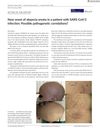
March 2021 in “Journal of cosmetic dermatology (Print)” COVID-19 infection may trigger alopecia areata in some patients.
31 citations
,
February 1999 in “Dermatologic surgery” Sun exposure after laser hair removal can cause skin darkening, which is hard to treat and requires avoiding UV light.