Search
for
Sort by
Research
690-720 / 1000+ results
research A Comparison of the Efficacy, Relapse Rate and Side Effects among Three Modalities of Systemic Corticosteroid Therapy for Alopecia Areata
Intramuscular triamcinolone and pulse therapy with oral predonine are effective for alopecia areata with manageable side effects, but better relapse prevention is needed.
research Advancing PROTAC therapeutics through chemistry-guided design of smart delivery systems
Improving PROTAC delivery systems can enhance their effectiveness and speed up their use in medicine.
research 532P Analyses of patient-reported outcomes (PROs) with mirvetuximab soravtansine (MIRV) versus standard chemotherapy in the randomized phase III FORWARD I study in ovarian cancer (GOG 3011)
Mirvetuximab soravtansine improves quality of life and reduces symptoms more than standard chemotherapy in ovarian cancer patients.

research Oral Tofacitinib and Systemic Corticosteroids, Alone or in Combination, in Patients With Moderate-to-Severe Alopecia Areata: A Retrospective Study
Both individual and combined treatments of tofacitinib and corticosteroids can help regrow hair in moderate-to-severe alopecia areata, but ongoing treatment may be necessary.
research Paclitaxel-loaded star-shaped copolymer nanoparticles for enhanced malignant melanoma chemotherapy against multidrug resistance
The new nanoparticles could improve melanoma treatment by working better than current options.
research Apremilast and tofacitinib exert differential effects in the humanized mouse model of alopecia areata
Tofacitinib was more effective than apremilast in treating hair loss in a mouse model of alopecia areata.
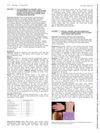
research SAT0200 UNUSUAL SYSTEMIC LUPUS ERYTHEMATOSUS/SJOEGREN'S SYNDROME PHENOTYPE IN A PATIENT WITH A TNFAIP3 GENE MUTATION
A TNFAIP3 gene mutation can cause unusual and varied symptoms of lupus and Sjogren's syndrome.
research Antigen-Specific Regulatory T Cells and Low Dose of IL-2 in Treatment of Type 1 Diabetes
Using low-dose IL-2 to increase regulatory T cells might be a safe way to treat type 1 diabetes without severe side effects.
research Treatment of severe alopecia areata with oral tofacitinib: A case series
Oral tofacitinib may be an effective and tolerable treatment for some people with severe alopecia areata.
research Psoriatic Alopecia/Alopecia Areata‐Like Reactions Secondary to Anti‐Tumour Necrosis Factor‐Alpha Therapy
Anti-TNF therapy can cause a rare hair loss condition similar to alopecia areata.
research Trichobiolight: A new, effective protocol in the treatment of androgenetic alopecia and telogen effluvium
Trichobiolight effectively treats hair loss with 82.5% success.
research Low-dose tofacitinib for treating patients with severe alopecia areata: an efficient and cost-saving regimen
Low-dose tofacitinib is effective and cheaper for severe alopecia areata.
research Tofacitinib: The selected selective JAK inhibitor in paediatric dermatology
Tofacitinib may be safe and effective for treating certain skin conditions in children.
research A meta-analysis of the effectiveness and safety of Sintilimab combined with chemotherapy in the trea tment of advanced non-small cell lung cancer
Sintilimab with chemotherapy improves survival and response in advanced lung cancer but increases some side effects.
research Psoriasis in the limelight: the remarkable career of an old skin disease
Tofacitinib may be an effective and safe treatment for adolescent alopecia areata.
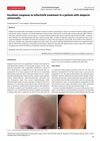
research Excellent response to tofacitinib treatment in a patient with alopecia universalis
A patient with complete hair loss regrew all her hair using tofacitinib.
research 549 Temporary cell cycle arrest in human scalp hair follicles and their epithelial stem cells by ALRN-6924: A novel strategy to selectively protect p53-wildtype cells against paclitaxel-induced alopecia
ALRN-6924 may prevent hair loss caused by chemotherapy.
research 376 Tsc2 disruption in mesenchymal progenitors regulates hair follicles and TGF beta signaling
Disrupting the Tsc2 gene in certain cells leads to thicker skin, larger hair, and changes in hair growth signaling, which can be partly reversed with specific treatment.

research Case report: Sequential therapy with dupilumab and baricitinib for severe alopecia areata with atopic dermatitis in children
Sequential therapy with dupilumab and baricitinib improved hair regrowth and atopic dermatitis in a child without adverse reactions.
research ZASTOSOWANIE TERAPII CAR-T W ONKOHEMATOLOGII DZIECIĘCEJ
CAR-T therapy offers hope for children with hard-to-treat blood cancers.
research Ixekizumab shows efficacy and safety in patients who failed biweekly etanercept therapy: Analysis From UNCOVER-2, a phase 3 randomized clinical trial in psoriasis
Ixekizumab is effective and safe for patients who did not improve with etanercept treatment for psoriasis.
research 139 Anti-BCC efficacy of a topical hedgehog inhibitor without adverse effects in BCNS patients in a phase 2 randomized controlled trial
Topical patidegib gel effectively treats basal cell carcinoma in Gorlin syndrome patients without causing the side effects seen with oral treatments.
research Viremia and viruria of trichodysplasia spinulosa‐associated polyomavirus before the development of clinical disease in a kidney transplant recipient
The virus linked to a rare disease was found in a patient's blood and urine before skin symptoms appeared.
research Treatment of insulin resistance with tirzepatide leading to improvement of hair loss
Tirzepatide may improve hair loss by reducing insulin resistance.
research Folliculotropic mycosis fungoides
Folliculotropic mycosis fungoides has a worse prognosis than other types, with survival rates varying significantly based on subtype and organ involvement.
research Discoid lupus erythematosus presenting with cysts, comedones, and cicatricial alopecia on the scalp
The patient's scalp lesions stabilized with a combination of treatments after initial therapies failed.
research Efalizumab-induced hypertrichosis
Efalizumab can cause unexpected excessive hair growth.
research Acquired Localized Hypertrichosis Induced by Rivastigmine
An 80-year-old man grew extra hair on his forearms after starting Alzheimer's medication rivastigmine.
research Alopecia areata and relapsing polychondritis or mosaic autoimmunity? The first experience of co-trimoxazole treatment
Co-trimoxazole successfully treated a girl with multiple autoimmune symptoms.