Search
for
Sort by
Research
480-510 / 1000+ results
research Prognosis, treatment, and disease outcomes in frontal fibrosing alopecia: A retrospective review of 92 cases
Most patients with frontal fibrosing alopecia stabilized with treatment, especially younger ones, using intralesional corticosteroids and tacrolimus.
research Effective Treatment of Folliculitis Decalvans With a Combination of Oral Isotretinoin and Rifampicin
Combining oral isotretinoin and rifampicin effectively treats folliculitis decalvans.
research EFFICACY OF INTRALESIONAL BOTULINUM TOXIN INJECTION IN THE TREATMENT OF PATCHY ALOPECIA AREATA (AA)
Both treatments help hair regrowth, but Botulinum Toxin-A has fewer side effects.
research Treatment of Frontal Fibrosing Alopecia
Intralesional corticosteroids and 5-alpha-reductase inhibitors are the best treatments for frontal fibrosing alopecia.
research Treatment-resistant giant unilateral Bowen’s disease of the scalp responding to radiotherapy
Radiotherapy was effective for treating a large scalp plaque of Bowen's disease when other treatments failed.
research Intralesional betamethasone versus triamcinolone acetonide in the treatment of localized alopecia areata: a within-patient randomized controlled trial
Triamcinolone acetonide is slightly more effective than betamethasone for hair regrowth in localized alopecia areata.
research Abstracts Pt.30
Terbinafine is more effective than itraconazole for toenail fungus, especially in older patients, and debridement improves its effectiveness.
research Intralesional vitamin D3 versus intralesional triamcinolone acetonoid in patchy alopecia areata: a comparative clinical and dermoscopic study
Intralesional vitamin D3 is an effective and safe treatment for patchy alopecia areata with fewer side effects.
research Folliculitis decalvans responsive to tofacitinib: A case series
Tofacitinib may effectively treat folliculitis decalvans.
research P075 A randomized controlled trial comparing the efficacy and safety of oral tofacitinib vs. methotrexate in moderate-to-severe alopecia areata
Tofacitinib was more effective than methotrexate for treating alopecia areata.
research Correspondence
A man's skin cancer improved and some of his hair grew back after treatment with a special light therapy and a medication.
research Trichoscopic and clinical characteristics of temporal triangular alopecia. A multicenter study
The study found that Temporal Triangular Alopecia often starts in early childhood, mainly affects the left side of the scalp, and has no effective treatment except surgery.
research Overview of the Role of 308 Monochromatic Excimer Phototherapy for the Treatment of Alopecia Areata
308 excimer phototherapy is a safe and effective way to treat hair loss from Alopecia Areata.
research Comparison of Platelet-Rich Plasma Therapy Versus Intralesional Triamcinolone Acetonide in the Treatment of Alopecia Areata: A Single-Blinded, Randomised Controlled Trial
PRP and IT are equally effective for treating localized alopecia areata, but PRP causes more pain and bleeding.
research The protoporphyrin IX dimethyl ester incorporated soy lecithin for photoinactivation of fluconazole-resistant Candida albicans
research Management of Folliculitis Decalvans: A Systematic Review
Combination therapies may be more effective for treating Folliculitis Decalvans than antibiotics alone.
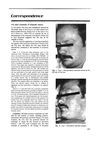
research CO2 laser treatment of traumatic tattoos
CO2 laser treatment successfully removed traumatic tattoos with minimal scarring.

research Dissecting Cellulitis of the Scalp Successfully Treated with a Combination of Ixekizumab and Tofacitinib
A combination of ixekizumab and tofacitinib successfully treated severe scalp cellulitis, leading to hair regrowth.
research Successful Combination Therapy of Acne Keloidalis Nuchae
The combination therapy effectively improved acne keloidalis nuchae.
research Combination Therapy With CGF and Microneedling‐Assisted Compound Betamethasone for Resistant Alopecia Areata: APilot Study
Combining CGF and microneedling with betamethasone effectively treats resistant alopecia areata.
research Frontal fibrosing alopecia: a retrospective clinical review of 62 patients with treatment outcome and long-term follow-up
The treatment helped reduce symptoms and stabilize the hairline in most patients with Frontal Fibrosing Alopecia, but hair regrowth was limited.
research Male pattern alopecia regrowth following topical fluorouracil therapy
A man regrew hair after using a specific cream for skin treatment.
research Multiple iridociliary cysts in patients with mucopolysaccharidoses
Intralesional cidofovir may be a viable alternative treatment for SCC.
research Focal atrichia: A diagnostic clue in female pattern hair loss
Focal atrichia helps diagnose female pattern hair loss.
research Glabellar clinical and trichoscopic findings in patients with frontal fibrosing alopecia
Frontal fibrosing alopecia can be diagnosed by examining facial areas and treated with specific medications to stop its progression.
research Intralesional Methotrexate Is Comparable to Triamicinolone Acetonide and Superior to Vitamin D3 in the Treatment of Alopecia Areata
Intralesional methotrexate and triamcinolone acetonide are more effective than Vitamin D3 for treating alopecia areata.
research Dissecting cellulitis (Perifolliculitis Capitis Abscedens et Suffodiens): a comprehensive review focusing on new treatments and findings of the last decade with commentary comparing the therapies and causes of dissecting cellulitis to hidradenitis suppura
New treatments for Dissecting cellulitis show promise, but more research is needed to understand the disease and establish a standard treatment plan.
research Response to Bhoyrul B., “The treatment of primary cicatricial alopecia is challenging”
Gabapentin helps with scalp itch, dutasteride works for frontal fibrosing alopecia, and more research is needed for better PCA treatments.
research Informe de un paciente con acné conglobata y perifolliculitiscapitis abscedens et suffodiens
Isotretinoin and other medications showed promising results for treating a rare scalp condition linked to severe acne.