August 2024 in “Skin Research and Technology” TAF can be identified by excessive skin thickening and clogged hair follicles, helping distinguish it from similar skin conditions.
January 1990 in “The Nishinihon Journal of Dermatology” Follicular structures help differentiate keratoacanthoma from squamous cell carcinoma.
 4 citations
,
January 2019 in “Obstetrics & gynecology science”
4 citations
,
January 2019 in “Obstetrics & gynecology science” A PET-CT scan successfully located a hard-to-find Leydig cell tumor in a woman with hormonal symptoms.
 3 citations
,
January 1988 in “PubMed”
3 citations
,
January 1988 in “PubMed” The review found that basal cell carcinomas on the scalp are not more aggressive than those in other locations.
 January 2022 in “Klinicheskaya dermatologiya i venerologiya”
 Trichoscopy can diagnose hair loss by looking for common signs like uneven hair thickness, "yellow dots," and more thin hairs, which are found in both men and women.
2 citations
,
January 2012 Androgenetic alopecia is the only hair loss condition with specific diagnostic criteria in trichoscopy.
 2 citations
,
March 2023 in “Skin research and technology”
2 citations
,
March 2023 in “Skin research and technology” Temporal triangular alopecia in infants is mostly seen in males at birth, with unique features that help with diagnosis.
11 citations
,
November 1996 in “Pediatric dermatology” Trichostasis spinulosa can look like acne but usually affects adults, not children.
 March 2026 in “Lithuanian University of Health Sciences”
 Adrenal tumors should be considered in Addison's disease if unusual results appear, with surgery as a solution.
17 citations
,
January 2014 in “Journal of Oral and Maxillofacial Pathology” Seborrheic keratosis is a common, harmless skin growth that can look like cancer, so it may need a biopsy.
1 citations
,
March 2013 in “British Journal of Dermatology” Recognizing eyebrow hair loss linked to a rare skin condition is crucial for proper treatment.
 32 citations
,
January 2010 in “Journal of Korean Medical Science”
32 citations
,
January 2010 in “Journal of Korean Medical Science” A rare adrenal tumor in a 14-year-old girl caused male-like symptoms and was successfully removed.
October 2021 in “Indian Journal of Plastic Surgery” Trichoscopy helps hair transplant surgeons diagnose hair loss types and assess donor hair quality.
April 2026 in “Veterinary Medicine and Science” Adrenal tumors in hamsters are rare and hard to diagnose, highlighting the need for better diagnostic tools.
31 citations
,
May 1960 in “A M A Journal of Diseases of Children” Parathyroid adenoma can cause hyperparathyroidism and hair loss in children.
 November 2016 in “대한피부과학회지”
 The document's conclusion cannot be summarized as it is not provided in a language I can understand.
December 2025 in “Y HOC TP HO CHI MINH” The Trichoscope is a valuable tool for diagnosing and monitoring hair loss conditions.
 34 citations
,
December 1995 in “Pediatric Dermatology”
34 citations
,
December 1995 in “Pediatric Dermatology” Congenital Triangular Alopecia is a rare, non-scarring hair loss that can be surgically treated in females for cosmetic reasons.
January 2025 in “Surgical & Cosmetic Dermatology” Temporal triangular alopecia causes permanent hair loss and can be managed with treatments like minoxidil or hair transplantation.
September 2024 in “Journal of the American Academy of Dermatology” 3 citations
,
January 2020 in “International journal of trichology” Congenital triangular alopecia is a hair loss condition present from birth or early childhood with no effective treatment needed.
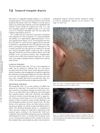 April 2012 in “Informa Healthcare eBooks”
 Temporal triangular alopecia is a lifelong condition with hairless patches on the side of the head that may be present from birth.
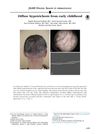 September 2016 in “Journal of The American Academy of Dermatology”
 The girl has a genetic hair condition causing thin hair since childhood.
24 citations
,
November 2003 in “Australasian Journal of Dermatology” A rare skin cancer caused hair loss and spread, needing multiple treatments.
 5 citations
,
October 2014 in “Gynecological Endocrinology”
5 citations
,
October 2014 in “Gynecological Endocrinology” Triptorelin helps evaluate hormone production in Sertoli-Leydig cell tumors.
July 2022 in “DOAJ (DOAJ: Directory of Open Access Journals)” Early detection and trichoscopy are key for treating hair loss effectively.
January 2015 in “프로그램북(구 초록집)” Trichoscopy effectively diagnoses and assesses hair loss severity in androgenetic alopecia and alopecia areata.
September 2020 in “Oral surgery, oral medicine, oral pathology and oral radiology” The report shows that a rare benign tumor was successfully removed from inside the mouth to avoid scarring on the face.
 June 2026 in “EXPERIMENTAL & CLINICAL MEDICINE GEORGIA”
 Trichoscopy is useful for assessing androgenetic alopecia severity but can't determine hair loss stage alone.
 November 2023 in “Laser therapy”
 Trichoscopy is essential for diagnosing and managing alopecia areata in children.