 11 citations
,
October 2011 in “Dermato-endocrinology”
11 citations
,
October 2011 in “Dermato-endocrinology” Many alopecia patients have undetected thyroid abnormalities that can be found through physical exams.

A 14-year-old girl with a condition that makes her hair easy to pull out also has a hair-pulling disorder, and treatment helped but she relapsed after a year.
Cross-section trichometry is an accurate method to measure hair loss and growth.
30 citations
,
February 2015 in “Anais Brasileiros de Dermatologia” Trichoscopy is useful for diagnosing Netherton syndrome in children with skin issues.
22 citations
,
November 1979 in “Archives of dermatology” A woman with Fox-Fordyce disease had symptom relief using tretinoin cream.
 13 citations
,
March 2002 in “Pediatric Dermatology”
13 citations
,
March 2002 in “Pediatric Dermatology” A child was initially wrongly diagnosed with a fungal scalp infection but actually had a non-scarring hair loss condition called Temporal Triangular Alopecia.
 April 2026 in “International Journal of Drug Delivery Technology”
 Trichoscopy is a reliable, non-invasive tool for diagnosing scalp alopecias.
48 citations
,
March 1993 in “The Laryngoscope” Cholesteatoma shows abnormal and increased EGF receptor expression, indicating its rapid growth.
 2 citations
,
July 2021 in “Annales De Dermatologie Et De Venereologie”
2 citations
,
July 2021 in “Annales De Dermatologie Et De Venereologie” Vulvar acne, also known as "vulvar Fordyce adenitis", is a condition causing painful bumps on the labia, and it's not always effectively treated with common acne medications, but isotretinoin has shown promise.
 2 citations
,
August 2014 in “Archivos argentinos de pediatría”
2 citations
,
August 2014 in “Archivos argentinos de pediatría” A 6-year-old girl with Turner syndrome also had psoriasis, alopecia areata, and trachyonychia.
 April 2019 in “Journal of the Endocrine Society”
 The study found that imaging might miss small ovarian tumors causing high testosterone, and suggested using certain testosterone levels and treatment responses to identify these tumors.
January 2022 in “Skin appendage disorders” Trichoscopy effectively visualizes scalp micropigmentation without invasive methods.
 May 2017 in “DOAJ (DOAJ: Directory of Open Access Journals)”
 Using GnRHa agonists helps diagnose and treat ovarian hyperthecosis when surgery isn't possible.
Trichoscopy is a useful tool for monitoring hair and scalp diseases.
 8 citations
,
April 1979 in “Journal of Cutaneous Pathology”
8 citations
,
April 1979 in “Journal of Cutaneous Pathology” Giant cells found in some male pattern baldness cases may help diagnose it and suggest hair is mistakenly seen as foreign by the body.
 September 2009 in “European Urology Supplements”
 Surgery for high-risk prostate cancer is challenging but doesn't lead to more complications, and additional treatment is often needed.
2 citations
,
June 2022 in “Life” A 14-year-old boy is the youngest person reported with a rare, benign tumor related to hair follicles, usually found in older people.
 December 2022 in “Journal of Medical Case Reports”
 A 20-year-old woman was found to have a rare ovarian tumor causing symptoms like acne and a low-pitched voice, which disappeared after the tumor was removed.
 1 citations
,
February 2016 in “European Journal of Obstetrics & Gynecology and Reproductive Biology”
1 citations
,
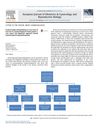
February 2016 in “European Journal of Obstetrics & Gynecology and Reproductive Biology” An 84-year-old woman's hair loss was due to a rare condition called Leydig cell hyperplasia, which was treated with surgery.
 September 2023 in “Skin appendage disorders”
 Trichoscopy, a method of examining hair, can objectively measure how well botulinum toxin works for hair loss treatment.
 January 2023 in “Al-Azhar International Medical Journal /Al-Azhar International Medical Journal”
 Panoramic Trichoscopy is a new, better way to assess widespread hair loss.
October 2017 in “Chinese Journal of Dermatology” 4 citations
,
July 2006 in “British journal of dermatology/British journal of dermatology, Supplement” Testosterone increases hair follicle cell growth when beard or axillary skin cells are present together.
4 citations
,
January 2018 in “Indian dermatology online journal” Trichoscopy helped diagnose and cure a child's hair loss caused by a fungal infection.
9 citations
,
January 2011 in “American Journal of Dermatopathology” Pilomatrixoma involves abnormal hair keratin production and cell death, causing debris and cysts.
September 2024 in “The Journal of Dermatology” Nevus comedonicus can sometimes grow terminal hair, challenging previous beliefs.
6 citations
,
March 2018 in “The American journal of dermatopathology/American journal of dermatopathology” BerEP4 and CD34 staining can help tell apart tricholemmoma from basal cell carcinoma.
 April 2025 in “Clinical Dermatology Review”
 Trichoscopy is effective for diagnosing hair and scalp disorders without invasive biopsies.
4 citations
,
March 2016 in “Turkish Journal of Dermatology” Better understanding and using trichoscopy can improve hair disease diagnosis.
 March 2026 in “Scientific Journal”
 Early recognition and evaluation of nevus sebaceus are crucial to detect and manage potential cancerous changes.