 October 2023 in “Indian dermatology online journal”
 The young woman has a benign, hereditary skin condition with no signs of a more serious syndrome.
 2 citations
,
February 2023 in “Transgenic Research”
2 citations
,
February 2023 in “Transgenic Research” The E2 protein affects gene activity in hair follicles of mice.
 14 citations
,
February 2017 in “Anais brasileiros de dermatologia/Anais Brasileiros de Dermatologia”
14 citations
,
February 2017 in “Anais brasileiros de dermatologia/Anais Brasileiros de Dermatologia” Trichotillomania is often misdiagnosed as alopecia areata and can be treated effectively with N-acetylcysteine and psychotropic drugs.
July 2025 in “INTERNATIONAL JOURNAL OF SCIENTIFIC RESEARCH” Trichoscopy is crucial for diagnosing alopecia areata by identifying specific hair features.
15 citations
,
June 2012 in “British Journal of Dermatology” A new mutation in the KRT86 gene causes a hair disorder with variable expression.
December 2025 in “Al-Azhar International Medical Journal /Al-Azhar International Medical Journal” Using both trichoscopy and folliscopy together improves hair loss diagnosis in men.
124 citations
,
April 2000 in “Nature biotechnology” 19 citations
,
March 1999 in “PubMed” Trichotillomania is a chronic condition where people uncontrollably pull out their hair, often starting in childhood.
Recognizing bamboo hair helps diagnose Netherton’s syndrome.

Trichotillomania treatment is improving with new therapies, but challenges like stigma and lack of training remain.
1 citations
,
August 2023 in “Clinical Cosmetic and Investigational Dermatology” Exclamation mark hairs help distinguish syphilitic alopecia from alopecia areata.
18 citations
,
September 1994 in “Clinical and Experimental Dermatology” Localized trichorrhexis nodosa is a hair condition where hair becomes fragile and breaks easily due to damage.
 5 citations
,
May 2008 in “Nature Precedings”
5 citations
,
May 2008 in “Nature Precedings” Trichoscopy is a useful non-invasive method to diagnose female hair loss with high accuracy.
 7 citations
,
October 2006 in “Medical hypotheses”
7 citations
,
October 2006 in “Medical hypotheses” UV light might cause excessive hair growth by increasing PGE2 in the skin.
30 citations
,
December 1996 in “Journal of Investigative Dermatology” 11 citations
,
May 2008 in “British journal of dermatology/British journal of dermatology, Supplement” Identical p53 gene mutations in different cancers suggest the need for careful treatment.
2 citations
,
April 2008 in “Advances in therapy” Proper diagnosis and treatment of childhood hair loss require distinguishing between alopecia and trichotillomania.
 9 citations
,
November 2013 in “Dermatologic Surgery”
9 citations
,
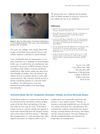
November 2013 in “Dermatologic Surgery” Hair transplant complications were likely due to deep graft placement and rough handling.
 1 citations
,
March 2022 in “Berkala Ilmu Kesehatan Kulit dan Kelamin/Berkala ilmu kesehatan kulit dan kelamin (Periodical of dermatology and venerology)”
1 citations
,
March 2022 in “Berkala Ilmu Kesehatan Kulit dan Kelamin/Berkala ilmu kesehatan kulit dan kelamin (Periodical of dermatology and venerology)” Trichoscopy helps diagnose and monitor the treatment of fungal scalp infections in children.
7 citations
,
March 2011 in “The Journal of Gene Medicine” Lentiviral vector effectiveness in skin is influenced by external factors, not receptor availability.
 89 citations
,
March 2018 in “The Journal of Dermatology”
89 citations
,
March 2018 in “The Journal of Dermatology” Trichoscopy helps diagnose and monitor alopecia areata by looking at a combination of specific hair and scalp features.
 16 citations
,
May 2015 in “Tissue Engineering Part C-methods”
16 citations
,
May 2015 in “Tissue Engineering Part C-methods” A two-step method was created in 2015 to make more cells that help with hair growth, but they need to be combined with other cells for 4 days to actually form new hair.
 24 citations
,
March 2009 in “Journal of the European Academy of Dermatology and Venereology”
24 citations
,
March 2009 in “Journal of the European Academy of Dermatology and Venereology” Scalp pain is a common symptom in people with active hair loss from telogen effluvium.
2 citations
,
April 2008 in “PubMed” A gene mutation causes monilethrix in a Chinese family.
5 citations
,
November 1979 in “PubMed” A hereditary condition causes hair loss and twisted hair in some family members.
 18 citations
,
July 2018 in “Skin appendage disorders”
18 citations
,
July 2018 in “Skin appendage disorders” Trichoscopy helps diagnose hair and scalp disorders in dark-skinned people by identifying unique patterns.
September 2021 in “CRC Press eBooks” Traumatic alopecia causes hair loss from pulling or rubbing, leading to broken hairs and changes in the scalp.

Trichotillomania treatment is improving with behavior therapy and new drug approaches, but challenges like stigma and underdiagnosis remain.
January 2011 in “Yearbook of Dermatology and Dermatologic Surgery”  72 citations
,
October 2009 in “The FASEB journal”
72 citations
,
October 2009 in “The FASEB journal” TRH stimulates human hair growth and extends the hair growth phase.