 1 citations
,
January 2023 in “Indian Journal of Dermatology/Indian journal of dermatology”
1 citations
,
January 2023 in “Indian Journal of Dermatology/Indian journal of dermatology” 5% minoxidil can significantly increase hair growth in TRPS patients.
8 citations
,
January 2014 in “Indian Dermatology Online Journal” Trichostasis spinulosa is a common but often unnoticed skin condition involving bundled vellus hairs, especially in people with darker skin or UV exposure.
 April 2016 in “Journal of Investigative Dermatology”
 Double-stranded RNA activates a pathway that causes a skin protein to be expressed in the wrong place.
 9 citations
,
November 2019 in “Scientific reports”
9 citations
,
November 2019 in “Scientific reports” The AC 2 peptide from Trapa japonica fruit helps protect hair cells and may treat hair loss.
5 citations
,
March 2025 in “Phytomedicine” Deoxyshikonin from Arnebiae Radix helps hair grow by activating a specific cell pathway.
January 2026 in “Dermatologic Therapy” Ritlecitinib is effective and safe for treating severe alopecia areata, showing significant hair regrowth and improved mental health.
10 citations
,
May 2021 in “Frontiers in Plant Science” OsRopGEF3 is crucial for rice root hair growth and ROS production.
16 citations
,
June 1992 in “Journal of Investigative Dermatology” A new mutation in the TRPS1 gene caused Trichorhinophalangeal syndrome in a 17-year-old, highlighting the need for genetic testing.
 32 citations
,
December 2013 in “Biological & Pharmaceutical Bulletin”
32 citations
,
December 2013 in “Biological & Pharmaceutical Bulletin” Rice bran extract can potentially treat hair loss by promoting hair growth and increasing the number of hair follicles.
 December 2022 in “Research journal of topical and cosmetic sciences”
 TRICHONEM™ hair wash powder effectively treats dandruff and promotes hair growth.
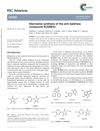 4 citations
,
January 2014 in “RSC Advances”
4 citations
,
January 2014 in “RSC Advances” A new, less toxic and more efficient method to create the anti-baldness compound RU58841 was developed in 2014.
 60 citations
,
August 2008 in “Human molecular genetics online/Human molecular genetics”
60 citations
,
August 2008 in “Human molecular genetics online/Human molecular genetics” A position effect on the TRPS1 gene causes excessive hair growth in humans and mice.
July 2025 in “Clinical Case Reports” A new genetic mutation in the TRPS1 gene causes Trichorhinophalangeal Syndrome, leading to specific hair, dental, and bone issues.
Trichosol™ with Minoxidil can boost hair growth by 20%.
Tridax procumbens may boost the immune system.
 17 citations
,
April 2016 in “Journal of Investigative Dermatology”
17 citations
,
April 2016 in “Journal of Investigative Dermatology” KB2115 (eprotirome) can safely extend the hair growth phase without damaging cells or changing hair color.
 8 citations
,
February 2022 in “Molecules”
8 citations
,
February 2022 in “Molecules” Asparagus racemosus root extract reduced sebum and pore size in men but not in women.
87 citations
,
August 1974 in “Journal of Investigative Dermatology” 6 citations
,
September 2024 in “Plant Cell & Environment” Chitosan affects root hair growth and callose deposition based on its concentration.
 1 citations
,
January 2021 in “Dermatologic Therapy”
1 citations
,
January 2021 in “Dermatologic Therapy” Trichobiolight effectively treats hair loss with 82.5% success.
 August 2019 in “Journal of Invertebrate Pathology”
 Thymosin beta 4 protects cells from damage by blocking a harmful microRNA and boosting a protective gene.
2 citations
,
January 1997 in “Mapping” Gambogic Amide may prevent hair greying and promote hair growth by maintaining hair pigmentation.
20 citations
,
September 1983 in “Archives of dermatology” The new synthetic retinoid RO 13-6298 effectively treated severe psoriasis at low doses with manageable side effects.
 33 citations
,
February 2016 in “Journal of Experimental Botany”
33 citations
,
February 2016 in “Journal of Experimental Botany” ROOT HAIR SPECIFIC 10 (RHS10) reduces the length of root hairs in Arabidopsis plants.
 17 citations
,
April 2015 in “Tropical Journal of Pharmaceutical Research”
17 citations
,
April 2015 in “Tropical Journal of Pharmaceutical Research” Asiasari Radix et Rhizoma is safe and has potential for new drug development due to its therapeutic properties.
June 2023 in “Journal of Natural Remedies” Hibiscus rosa sinensis may help manage hair loss.
January 2009 in “The Chinese Journal of Dermatovenereology” Higher doses of Tribulus terrestris extract increase MC-1R expression in mouse hair follicles.
175 citations
,
December 1980 in “Archives of Dermatology” Trichothiodystrophy is a condition with brittle hair and various physical and mental issues due to low sulfur in proteins.
46 citations
,
May 2021 in “Stem Cell Research & Therapy” Strontium ranelate helps cartilage growth by blocking a specific cell pathway.