
The combination therapy improved hair growth and thickness in people with androgenetic alopecia.
 26 citations
,
December 2015 in “International Journal of Dermatology”
26 citations
,
December 2015 in “International Journal of Dermatology” Trichodynia is a painful scalp condition linked to hair loss and inflammation, often with anxiety, affecting more women and needing better treatment options.
Hair intradermotherapy effectively treats hair loss and boosts self-esteem.
 September 2021 in “CRC Press eBooks”
 The document explains how trichoscopy can improve hair transplant results for patients with hair loss.
 May 2024 in “Drug discovery today”
 Thyroid receptor β can help develop new drugs to treat hair loss.
18 citations
,
September 1994 in “Clinical and Experimental Dermatology” Localized trichorrhexis nodosa is a hair condition where hair becomes fragile and breaks easily due to damage.
 January 2008 in “Abstracts”
 Minoxidil sulfate gel can be used to treat hair loss.
6 citations
,
July 1985 in “British Journal of Dermatology” Topical minoxidil showed limited effectiveness for hair regrowth in alopecia areata.
 February 2025 in “Journal of Dermatological Treatment”
 Low-dose oral minoxidil improved hair growth in a woman with short anagen syndrome.
13 citations
,
May 1987 in “PubMed” Topical minoxidil can help regrow hair with regular use, but results vary and side effects may occur.
 1 citations
,
June 2021 in “Journal of Cosmetic Dermatology”
1 citations
,
June 2021 in “Journal of Cosmetic Dermatology” Enzyme booster SULT1A1 greatly enhances hair regrowth with minoxidil.
 39 citations
,
March 2007 in “Journal of Cosmetic Dermatology”
39 citations
,
March 2007 in “Journal of Cosmetic Dermatology” Dutasteride helps slow hair loss and boosts hair growth.
16 citations
,
July 1988 in “International Journal of Dermatology” The 2% minoxidil solution is safe and effective for treating male pattern baldness.
 14 citations
,
June 2018 in “JAMA Dermatology”
14 citations
,
June 2018 in “JAMA Dermatology” Trichoscopy is useful for diagnosing and monitoring hair and scalp conditions over time.
 October 2023 in “Journal of Cosmetic Dermatology”
 Using both minoxidil and finasteride together is more effective for hair growth than using either one alone in men with hair loss.
December 2022 in “Scientific Reports” Compound 4 is a promising treatment for hair loss with low toxicity.
 April 2016 in “Journal of Investigative Dermatology”
  January 2024 in “SAGE Open Medical Case Reports”
 Minoxidil can help increase facial hair growth.
January 2012 in “Open MIND” Oral minoxidil can cause painful skin bumps and scarring in some people.
 September 2023 in “Authorea (Authorea)”
 Certain peptides, caffeine, taurine, and an iron complex may improve hair regrowth when used with minoxidil and finasteride for hair loss.
 September 2016 in “Journal of The American Academy of Dermatology”
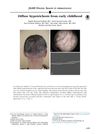
 The girl has a genetic hair condition causing thin hair since childhood.
Trichoscopy is effective for tracking treatment progress in hair loss when used by an experienced doctor.
 4 citations
,
December 2017 in “PubMed”
4 citations
,
December 2017 in “PubMed” Minoxidil may help treat hair loss by reducing the activity of a specific enzyme linked to baldness.
STS01 1% effectively promotes hair regrowth with minimal side effects.
 October 2024 in “International Journal of Dermatology”
 Oral and topical minoxidil are equally effective for hair loss, but oral minoxidil causes more unwanted hair growth.
 1 citations
,
July 2018 in “Elsevier eBooks”
1 citations
,
July 2018 in “Elsevier eBooks” Many treatments for hair loss show potential, but more testing is needed to confirm their effectiveness. Only minoxidil for women and minoxidil and finasteride for men are FDA approved.
 April 2016 in “Journal of Investigative Dermatology”
 Using a stimulating cream shampoo before applying Minoxidil helps it penetrate hair follicles better, enhancing its hair growth-promoting effect.
January 2008 in “Journal of Clinical Dermatology” Scalp medⓇ effectively and safely improves hair growth in men with androgenetic alopecia.
 June 2024 in “The Open dermatology journal”
 The herbal extract is as effective and safe as 3% minoxidil for treating hair loss.
 January 2015 in “Current Opinion in Endocrinology, Diabetes and Obesity”