January 2024 in “Indian Journal of Psychiatry” Precision neuromodulation may improve schizophrenia symptoms.
June 2026 in “Eurasian Journal of Medicine” 3 citations
,
November 2023 in “Journal of Investigative Dermatology” Over 45% of patients with alopecia areata benefit from ritlecitinib, mostly within a year.
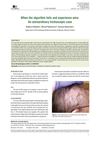 January 2026 in “Forum Dermatologicum”
 Thorough hair examination is crucial for accurate diagnosis and treatment.
 1 citations
,
October 1935 in “Nature”
1 citations
,
October 1935 in “Nature” Potassium iodide prevents hair loss and reduces toxicity from thallium acetate.
 October 2025 in “Journal of Mahatma Gandhi University of Medical Sciences and Technology”
 Amitriptyline can cause temporary hair loss, which stops after discontinuing the drug.
1 citations
,
August 2024 in “British Journal of Dermatology” Ritlecitinib effectively promotes hair regrowth in alopecia areata patients, even with extensive hair loss.
1 citations
,
March 2013 in “Clinical, cosmetic and investigational dermatology” The boy's hair loss was due to a hair-pulling disorder, not just a fungal infection.
 107 citations
,
August 2002 in “Journal of Neurology, Neurosurgery, and Psychiatry”
107 citations
,
August 2002 in “Journal of Neurology, Neurosurgery, and Psychiatry” Women with epilepsy should be monitored for reproductive issues, which can be caused by epilepsy or its treatments, especially when using valproate.
1 citations
,
November 2020 in “DOAJ (DOAJ: Directory of Open Access Journals)” Both concentrations of triamcinolone acetonide are equally effective and safe for treating patchy alopecia areata.
3 citations
,
November 2020 in “Dermatologic Therapy” Start with 2.5 mg/mL triamcinolone acetonide for scalp alopecia areata and increase if needed.
 July 2023 in “World Journal of Biology Pharmacy and Health Sciences”
 Trazodone and Chlorpromazine might help treat sexual dysfunction from finasteride and SSRIs.
 October 2024 in “Journal of the Endocrine Society”
 A woman experienced fluctuating thyroid conditions and eye disease, but her symptoms improved with treatment.
 6 citations
,
August 2012 in “The Journal of Pediatrics”
6 citations
,
August 2012 in “The Journal of Pediatrics” A 12-year-old girl was diagnosed with monilethrix, a genetic condition causing fragile, beaded hair that breaks easily, with no effective treatment available.
 November 2024 in “SKIN The Journal of Cutaneous Medicine”
 Ritlecitinib effectively promotes hair regrowth in severe and very severe alopecia areata.
 18 citations
,
March 2006 in “Expert Review of Neurotherapeutics”
18 citations
,
March 2006 in “Expert Review of Neurotherapeutics” The document concludes that managing side effects of MS therapies is crucial for treatment success and patient adherence.
 84 citations
,
August 2023 in “Drugs”
84 citations
,
August 2023 in “Drugs” Ritlecitinib is approved in the USA and Japan for treating severe hair loss in people aged 12 and older.
5 citations
,
November 2010 in “Veterinary Record” The monkeys' skin infection was cured in eight weeks using oral terbinafine, topical washes, and disinfectant fogging.
January 2024 in “Arquivos de Neuro-Psiquiatria” Consider THPP in patients with muscle weakness and low potassium, as it is often underdiagnosed.
48 citations
,
January 2008 in “European Neurology” Thallium poisoning causes pain, hair loss, and nerve issues, treatable with hemoperfusion and hemodialysis.
Baricitinib works better than methotrexate for severe alopecia areata.
June 2025 in “British Journal of Dermatology” Ritlecitinib may cause serious side effects like blood clots in alopecia areata patients.
13 citations
,
July 2004 in “Pediatric dermatology” A new severe form of monilethrix syndrome includes hair loss, scalp itching, cataracts, and distinct facial features.
 October 2023 in “Benha Journal of Applied Sciences”
 Methotrexate and vitamin D3 are potentially more effective and safer than triamcinolone for treating localized alopecia areata.
 August 2009 in “Australian Prescriber”
 Eculizumab helps reduce blood transfusions and stabilize hemoglobin but increases infection risk and is expensive.
 September 2023 in “Dermatology and therapy”
 Ritlecitinib effectively improves hair growth in alopecia areata patients, regardless of hair loss pattern.
 April 2026 in “Indian Journal of Dermatology”
 PRP and IT are equally effective for treating localized alopecia areata, but PRP causes more pain and bleeding.
 August 2023 in “Journal of The American Academy of Dermatology”
 Valproic acid, a common antiepileptic medication, can cause reversible hair loss in patients.
October 2013 in “International Journal of Pediatric Endocrinology/International journal of pediatric endocrinology” A boy with early puberty and laughing seizures was treated, stopping seizures and slowing puberty.
 1 citations
,
September 2007 in “European journal of paediatric neurology”
1 citations
,
September 2007 in “European journal of paediatric neurology” Low dose valproic acid treatment caused hair loss in a young patient.