 8 citations
,
September 2021 in “Skin appendage disorders”
8 citations
,
September 2021 in “Skin appendage disorders” Trichotillomania treatment is most successful with a mix of behavioral therapy, medication, and social support.
13 citations
,
January 2018 in “Yonsei Medical Journal” A specific gene mutation causes Olmsted syndrome.
1 citations
,
January 2010 in “SRX Pharmacology” Bupropion SR may help treat trichotillomania.
21 citations
,
December 2014 in “Pediatric Dermatology” Most children with pediatric trachyonychia improve over time, regardless of treatment.
 9 citations
,
July 2010 in “British Journal of Dermatology”
9 citations
,
July 2010 in “British Journal of Dermatology” The document suggests a rare skin condition might be caused by a genetic phenomenon.
Tricholemmoma is linked to Cowden syndrome and can be benign or malignant.
April 2016 in “Journal of Investigative Dermatology” Mutations in the TSPEAR gene cause a new form of ectodermal dysplasia affecting hair and tooth development.
 24 citations
,
July 1983 in “Clinical and Experimental Dermatology”
24 citations
,
July 1983 in “Clinical and Experimental Dermatology” Tigason improved hair growth in a boy with monilethrix without side effects.
 28 citations
,
January 2012 in “Case Reports in Medicine”
28 citations
,
January 2012 in “Case Reports in Medicine” Hair-thread Tourniquet Syndrome, where hair or thread tightly wraps around a body part, is not rare and requires early detection to prevent serious damage.
 3 citations
,
May 2024 in “Cureus”
3 citations
,
May 2024 in “Cureus” Early detection and removal of hair can prevent damage in hair-thread tourniquet syndrome.
3 citations
,
January 2017 in “Dermatology online journal” Dermoscopy helped diagnose a rare hair disorder in a 2-year-old boy.
 21 citations
,
July 2005 in “European Journal of Emergency Medicine”
21 citations
,
July 2005 in “European Journal of Emergency Medicine” Hair-tourniquet syndrome can cause serious toe injuries in infants but can be treated if found early.
January 1962 in “Archives of Dermatology” A 5-year-old girl has lipoid proteinosis, causing voice issues, hair thinning, skin lesions, and tongue movement problems.
2 citations
,
January 1989 Tay syndrome is a unique genetic disorder causing skin, hair, and developmental issues.
Pilomatricoma is a rare, harmless skin lump that needs accurate diagnosis and timely treatment.
 23 citations
,
September 2021 in “Frontiers in Medicine”
23 citations
,
September 2021 in “Frontiers in Medicine” A rare skin rash after COVID-19 vaccination shouldn't stop future vaccinations.
 8 citations
,
September 2016 in “The American Journal of Dermatopathology”
8 citations
,
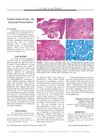
September 2016 in “The American Journal of Dermatopathology” Enlarged sweat gland ducts may indicate scarring hair loss.
January 2022 in “Optometric clinical practice” A woman had a non-cancerous skin tumor on her eyelid removed successfully.
 7 citations
,
January 1998 in “PubMed”
7 citations
,
January 1998 in “PubMed” Hair loss can cause scalp discomfort.
 20 citations
,
July 2013 in “European Journal of Oral Sciences”
20 citations
,
July 2013 in “European Journal of Oral Sciences” A new PAX9 gene mutation causes missing teeth and hair problems, but not skin or nail issues.
January 2022 in “The Pan African medical journal” Hypertrichosis causes excessive hair growth and needs psychological support due to its impact on self-esteem.
12 citations
,
January 2021 in “Dermatology Research and Practice” The 1927 nm Thulium laser effectively and safely treats postinflammatory hyperpigmentation in darker skin tones.
April 2025 in “Asian Journal of Case Reports in Surgery” Trichilemmal carcinoma is a rare skin cancer that requires careful diagnosis and follow-up.
6 citations
,
January 2015 in “Il Giornale di Chirurgia” Hair tourniquet syndrome can cause serious harm if not treated quickly, especially in infants.
16 citations
,
June 1992 in “Journal of Investigative Dermatology”  July 2025 in “JOURNAL OF CLINICAL AND DIAGNOSTIC RESEARCH”
 Trichofolliculoma should be considered in children with scalp nodules for accurate diagnosis and treatment.
14 citations
,
June 1989 in “Journal of dermatology” Three siblings had both Vohwinkel's disease and congenital alopecia, with no effective treatment.
26 citations
,
January 1983 in “PubMed” Trichothiodystrophy involves brittle hair due to low sulfur amino acids, not a transport defect.
 5 citations
,
May 2021 in “Journal of Cosmetic Dermatology”
5 citations
,
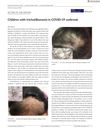
May 2021 in “Journal of Cosmetic Dermatology” More children are showing signs of hair-pulling disorders during the COVID-19 pandemic due to stress and lack of social interaction.
4 citations
,
May 2020 in “The journal of pediatrics/The Journal of pediatrics” A boy with monilethrix has brittle hair that breaks easily due to a genetic condition, which might improve by puberty.