33 citations
,
September 2017 in “Journal of Investigative Dermatology” A mutation in the KRT25 gene causes woolly hair and hair loss.
 April 2018 in “The journal of investigative dermatology/Journal of investigative dermatology”
 Biotrinine® may be an effective treatment for chronic hair loss.
 74 citations
,
October 1998 in “Journal of biological chemistry/The Journal of biological chemistry”
74 citations
,
October 1998 in “Journal of biological chemistry/The Journal of biological chemistry” The 190-kbp domain contains all human type I hair keratin genes, showing their organization and evolution.
87 citations
,
September 2012 in “Journal of Cell Science” Keratins are crucial for tissue strength, and mutations in keratin genes can lead to various diseases, highlighting the need for targeted therapies.
December 2025 in “The Journal of Dermatology” Ritlecitinib effectively reduces hair loss in JAK inhibitor-naïve alopecia areata patients.
January 2011 in “Anhui nongye kexue” The vector successfully directed specific gene expression in hair follicles.
 1 citations
,
January 2020 in “bioRxiv (Cold Spring Harbor Laboratory)”
1 citations
,
January 2020 in “bioRxiv (Cold Spring Harbor Laboratory)” Dicer is crucial for hair growth in mice.
35 citations
,
September 2011 in “The Journal of Dermatology” Trichoscopy helps accurately diagnose temporal triangular alopecia.
 January 2012 in “Durham e-Theses (Durham University)”
 Keratin 15 affects cell behavior and characteristics in skin cells.
1 citations
,
September 2025 in “Pediatric Dermatology” Behavioral interventions, especially habit reversal training, are most effective for treating trichotillomania in children.
March 2026 in “The Journal of Steroid Biochemistry and Molecular Biology” Deleting vitamin D and calcium receptors in skin cells increases skin cancer risk by reducing DNA repair and stress response.
 December 2020 in “Innovation in aging”
 Rapamycin treatment helps reduce brain inflammation and symptoms of mitochondrial disease by blocking specific pathways in mice.
78 citations
,
November 2005 in “Endocrinology” Hairless protein can block vitamin D activation in skin cells.
88 citations
,
August 1998 in “Carcinogenesis” High levels of ODC and a mutant Ha-ras gene cause tumors in mice.
April 2017 in “The journal of investigative dermatology/Journal of investigative dermatology” Double stranded RNA helps skin wounds heal by coordinating specific proteins and signaling pathways.
 45 citations
,
January 2012 in “The Journal of Steroid Biochemistry and Molecular Biology”
45 citations
,
January 2012 in “The Journal of Steroid Biochemistry and Molecular Biology” Too much AKR1C3 enzyme causes resistance to finasteride by increasing testosterone.
28 citations
,
August 1992 in “Differentiation” A new pair of mouse keratins, 65 kD and 48 kD, are found in specific skin areas and are linked to a unique skin differentiation type.
 January 2025 in “Frontiers in Cell and Developmental Biology”
 Hox proteins help maintain keratinocyte identity by regulating miRNA expression.
May 2026 in “Stem Cell Research & Therapy” KRT6A may help diagnose and treat alopecia areata.
24 citations
,
December 2013 in “Archives of Dermatological Research” May 2021 in “FEBS open bio”  July 2024 in “bioRxiv (Cold Spring Harbor Laboratory)”
 Hair loss in certain mice is linked to changes in keratin-related genes.
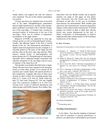 January 1999 in “Journal of the European Academy of Dermatology and Venereology”
 RAPK is a rare skin disorder with pigmented spots, mainly on hands and feet, starting in youth.
29 citations
,
February 2001 in “Proceedings of the National Academy of Sciences” A specific DNA region controls skin cell gene expression by working with certain proteins.
December 2022 in “Biochemical and Biophysical Research Communications” HtrA2 activity is crucial for normal hair growth by regulating fat cell development.
14 citations
,
June 2022 in “Neuroscience”  February 2026 in “Pharmaceuticals”
 KRDQN effectively predicts adverse drug reactions with high accuracy and clear explanations.
 April 2023 in “The journal of investigative dermatology/Journal of investigative dermatology”
 Too much IKZF1 and Ikaros protein may cause alopecia areata.

Trichoriboside treatment helps maintain scalp hair by increasing cAMP levels in hair follicles of men with hair loss.
February 1996 in “Clinical Pharmacology & Therapeutics” MK-386 reduces sebum DHT levels.