 April 2018 in “Journal of Investigative Dermatology”
 Hydroxychloroquine may cause false results in tuberculosis tests for patients with autoimmune skin diseases.

Botulinum toxin type A significantly reduces scalp psoriasis severity compared to placebo.
 January 2018 in “Springer eBooks”
 PDE inhibitors, especially PDE4 inhibitors like apremilast, are effective for certain inflammatory skin conditions but have side effects and can be costly.
 January 2018 in “Stem cell biology and regenerative medicine”
 The nucleus is key in controlling skin growth and repair by coordinating signals, gene regulators, and epigenetic changes.
 May 2017 in “InTech eBooks”
 Early treatment of children's hair loss, which can be caused by various factors, is important due to its emotional impact.
 March 2017 in “Fundamental & Clinical Pharmacology”
 The model and estimator can predict drug exposure in kidney transplant patients well.
 March 2017 in “InTech eBooks”
 Acne vulgaris is a common skin condition that can cause low self-esteem and depression, and early treatment is important to prevent scarring.
 January 2017 in “Springer eBooks”
 The document explains various skin conditions and their treatments.
 January 2017 in “Springer eBooks”
 The document concludes that Cutaneous Lupus Erythematosus has different forms, is influenced by genetic and environmental factors, and can be treated with various medications, but more targeted therapies are needed.
 January 2017 in “Clinical approaches and procedures in cosmetic dermatology”
 Retinoids are effective for skin conditions like severe acne and psoriasis but must be used with caution due to potential side effects and risks during pregnancy.
 December 2016 in “British Journal of Dermatology”
 The meeting highlighted the importance of genetic testing and multidisciplinary approaches in pediatric dermatology.
 October 2016 in “Elsevier eBooks”
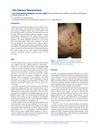
 Common noncancerous skin diseases have various treatments, including topical applications, light therapy, surgery, and medications, with psychological support being important.
 January 2016 in “Dermatology Review”
 Endocrine disorders can cause various skin and hair issues.
 May 2015 in “Journal of The American Academy of Dermatology”
 Finasteride for hair loss in young men increases the risk of sexual dysfunction.
 May 2015 in “Journal of The American Academy of Dermatology”
 Young men taking finasteride for hair loss have a higher risk of sexual dysfunction.
 May 2015 in “Journal of the American Academy of Dermatology”
 Certain drugs and supplements may contribute to hair loss in the frontal hairline in older women.
 January 2015 in “Dermatology”
 The document covers various dermatological treatments and conditions.

The chapter explains that there are many genetic skin disorders affecting skin cell formation, including both common and rare types.

Different connective tissue disorders have unique symptoms and treatments, with varying outcomes and often require ongoing care from a specialist.
 July 2014 in “Disease-a-Month”
 The document gives treatment advice for various skin conditions, like using metronidazole for perioral dermatitis and minoxidil for hair loss.
 January 2014 in “Journal of Pigmentary Disorders”
 Women's hair gets thinner and grayer as they age, with treatments available for hair loss and graying.
 November 2013 in “John Wiley & Sons, Ltd eBooks”
 The document concludes that accurate diagnosis of male and female gonadal disorders is crucial for effective treatment and better patient outcomes.
 September 2013 in “The veterinary nurse”
 Finding the cause of a cat's itchiness requires a careful process and good communication with the owner.
 January 2012 in “Springer eBooks”
 Lupus can cause different skin problems, and treatments like quitting smoking and using certain creams or medicines can help.
 January 2012 in “Human health handbooks”
 Traditional Indian remedies are used for hair health, but more scientific evidence is needed to prove their safety and effectiveness.
 January 2011 in “Elsevier eBooks”
 Alopecia in animals can be hereditary, congenital, or acquired, with treatments and outcomes varying widely.
 November 2010 in “Clin-Alert”
 Monitoring for adverse effects in clinical treatments is crucial.
 January 2010 in “Elsevier eBooks”
 The document concludes that different types of hair loss have specific treatments, and early diagnosis is crucial for preventing permanent hair loss.
 November 2009 in “Companion Animal”
 The document suggests that Alopecia X in dogs is mainly a cosmetic issue and might be better left untreated.
 January 2009 in “Springer eBooks”
 The document concludes that treating skin conditions should include psychological care and a multidisciplinary approach is essential for effective management.