Vitamin D receptor helps prevent skin tumors.
55 citations
,
October 2008 in “American Journal Of Pathology” mIGF-1 in skin cells speeds up wound healing and hair growth in mice without harmful effects.
29 citations
,
June 2015 in “Kidney International” Disrupting the Flcn gene in mice causes early kidney cysts and tumors, which can be treated with rapamycin.
7 citations
,
November 2016 in “Oncotarget” UV exposure reduces Lgr6+ stem cells in mouse skin and they don't significantly contribute to skin cancer development.
April 2008 in “Faculty Opinions – Post-Publication Peer Review of the Biomedical Literature” The vitamin D receptor helps control hair growth and may protect against certain skin tumors.
 14 citations
,
January 2016 in “Experimental and molecular pathology”
14 citations
,
January 2016 in “Experimental and molecular pathology” Giving immune serum from vaccinated mice to mice without T cells prevents infection and tumor growth.
6 citations
,
January 2017 in “JOURNAL OF CLINICAL AND DIAGNOSTIC RESEARCH” A rare hair follicle tumor was found on a woman's vulva.
 October 2022 in “Miscellaneous”
 A rare, non-cancerous ovarian tumor was successfully treated with surgery, improving the patient's symptoms.
 December 2021 in “Aegean journal of obstetrics and gynecology”
 A woman's male-like physical changes were caused by two rare ovarian conditions.
 1 citations
,
January 2016 in “Elsevier eBooks”
1 citations
,
January 2016 in “Elsevier eBooks” The document concludes that identifying the specific cells where skin cancers begin is important for creating better prevention, detection, and treatment methods.
May 2025 in “International Journal of Trichology” Laser hair removal might help prevent trichoepithelioma lesions, but more testing is needed.
71 citations
,
February 1992 in “Journal of Cutaneous Pathology” Antibodies help identify glycoproteins in normal skin and tumor cells.
3 citations
,
April 2019 in “Stem cells international” Markers CRABP1, Nestin, and Ephrin B2 are present in skin cancer environments and may influence their development.
July 2017 in “Cancer Research” Krt15+ cells in mice can resist radiation, regenerate tissue, and start tumors, suggesting new cancer treatment targets.
 August 2017 in “Journal of Investigative Dermatology”
 Activin increases skin tumor formation, skin Tregs help hair growth, lymph-node removal doesn't improve melanoma survival, cells can revert to stem cells in wound healing, and skin bacteria produce peptides that may treat infections.
 April 2024 in “Journal of Cytology”
 A rare skin tumor with bone formation was successfully removed without recurrence.
November 2006 in “評価・診断に関するシンポジウム講演論文集” KSR1 is crucial for certain skin tumor formation and could be a cancer therapy target.
15 citations
,
September 2018 in “Applied Biological Chemistry” Matrigel supports cell growth and repair, and thymosin beta 4 aids tissue regeneration and healing.
 January 2023 in “European journal of gynaecological oncology”
 KRT17 may be a new target for endometrial cancer treatment because it helps cancer cells move and form new blood vessels.
Hedgehog signaling can create new hair follicles but may also cause tumors.
176 citations
,
February 2006 in “Cancer Research” Patched1 helps prevent tumors by controlling cell growth.
65 citations
,
November 2013 in “The EMBO Journal” HDAC1 is crucial for skin development and preventing tumors.
54 citations
,
May 2001 in “Journal of Investigative Dermatology” Excessive putrescine causes hair loss in transgenic mice by disrupting hair follicle development.
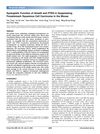
Deleting Smad4 and PTEN genes in mice causes rapid, invasive forestomach cancer.
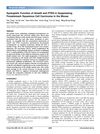
Deleting Smad4 and PTEN genes in mice causes rapid, invasive stomach cancer.
 79 citations
,
January 2018 in “Wiley Interdisciplinary Reviews-Developmental Biology”
79 citations
,
January 2018 in “Wiley Interdisciplinary Reviews-Developmental Biology” Understanding how baby skin heals without scars could help develop treatments for adults to heal wounds without leaving scars.
 78 citations
,
June 2021 in “Dermatology and Therapy”
78 citations
,
June 2021 in “Dermatology and Therapy” Future acne treatments should aggressively target inflammation to prevent scarring.
44 citations
,
March 2012 in “Molecular Carcinogenesis” Keratin 15 cells from hair follicles help develop and maintain skin tumors in mice.
 10 citations
,
May 2021 in “Stem Cell Research & Therapy”
10 citations
,
May 2021 in “Stem Cell Research & Therapy” Bone marrow-derived stem cells improved healing and reduced scarring in second-degree burns in rats.
9 citations
,
November 2013 in “Gynecological Endocrinology” A woman had high testosterone due to an ovarian issue, which was fixed with surgery.