The trial aims to understand how obesity and lifestyle affect circadian rhythms in people with schizophrenia and bipolar disorder.

Removing SIX1 in fat cells reduces skin fibrosis.
 September 2013 in “Molecular Biology”
 The document suggests that activating autophagy might help with regeneration by removing old and damaged cells.
 1540 citations
,
October 2008 in “Fertility and Sterility”
1540 citations
,
October 2008 in “Fertility and Sterility” The report concludes that PCOS is mainly a condition of excess male hormones and its definition may change as new information is discovered.
 170 citations
,
July 2012 in “Journal of Investigative Dermatology”
170 citations
,
July 2012 in “Journal of Investigative Dermatology” Wnt ligands are crucial for hair growth and repair.
 109 citations
,
December 1998 in “The Journal of Dermatology”
109 citations
,
December 1998 in “The Journal of Dermatology” Manipulating the catagen and telogen phases of hair growth could lead to treatments for hair disorders.
 71 citations
,
October 2008 in “The journal of investigative dermatology/Journal of investigative dermatology”
71 citations
,
October 2008 in “The journal of investigative dermatology/Journal of investigative dermatology” HFMs can help study hair growth and test potential hair growth drugs.
 55 citations
,
August 2008 in “Reviews in endocrine and metabolic disorders”
55 citations
,
August 2008 in “Reviews in endocrine and metabolic disorders” Nonclassic adrenal hyperplasia is a genetic condition that can cause early puberty and fertility problems, treated with specific steroids.
 43 citations
,
June 2018 in “Clinics in dermatology”
43 citations
,
June 2018 in “Clinics in dermatology” People with atopic dermatitis are more likely to develop other skin conditions due to shared genetics and immune pathways.
 30 citations
,
June 2012 in “Current Opinion in Endocrinology, Diabetes and Obesity”
30 citations
,
June 2012 in “Current Opinion in Endocrinology, Diabetes and Obesity” Nonclassic congenital adrenal hyperplasia is a genetic disorder causing hormone imbalances, affecting fertility and requiring personalized treatment.
 25 citations
,
May 2018 in “Clinical & Translational Oncology”
25 citations
,
May 2018 in “Clinical & Translational Oncology” New melanoma treatments can cause skin side effects, including skin cancer and rashes, but combining treatments may reduce these risks.
 11 citations
,
July 2001 in “APMIS. Acta pathologica, microbiologica et immunologica Scandinavica./APMIS”
11 citations
,
July 2001 in “APMIS. Acta pathologica, microbiologica et immunologica Scandinavica./APMIS” Estrogens are key for bone growth spurts in both boys and girls and affect growth into adulthood.
 2 citations
,
December 2016 in “Experimental cell research”
2 citations
,
December 2016 in “Experimental cell research” The research found a way to identify and study skin cells with stem cell traits, revealing they behave differently in culture and questioning current stemness assessment methods.
 1 citations
,
July 2015 in “European Journal of Dermatology”
1 citations
,
July 2015 in “European Journal of Dermatology” CO₂ laser treatment is fast and effective for some benign skin tumors with minimal side effects.
 1 citations
,
December 2005 in “Therapeutische Umschau”
1 citations
,
December 2005 in “Therapeutische Umschau” The document concludes that protecting skin from the sun, avoiding smoking, and using treatments like Minoxidil and Finasteride can help manage skin and hair aging.
 April 2024 in “Frontiers in pharmacology”
 Cynoglossum amabile has medicinal potential but poses safety concerns due to liver toxicity.
 April 2020 in “Journal of the Endocrine Society”
 Non-classic congenital adrenal hyperplasia (NCCAH) can mimic PCOS and requires genetic testing for proper diagnosis and treatment.
 July 2017 in “Contemporary Endocrinology”
 The document concludes that patient outcomes for Congenital Adrenal Hyperplasia are often not ideal because of poor management and a need for better diagnosis and treatment methods.
 April 2017 in “Journal of Investigative Dermatology”
 Deep phenotyping helps distinguish between xeroderma pigmentosum and trichothiodystrophy, aiding in diagnosis and treatment.
 May 2015 in “Journal of Investigative Dermatology”
 Wnt-3a helps grow more skin stem cells, which could lead to new hair loss treatments.
 28 citations
,
February 2010 in “British journal of dermatology/British journal of dermatology, Supplement”
28 citations
,
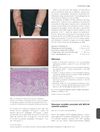
February 2010 in “British journal of dermatology/British journal of dermatology, Supplement” WNT10A mutations cause varied symptoms in patients with odonto-onycho-dermal dysplasia.
 363 citations
,
March 2017 in “Nature Communications”
363 citations
,
March 2017 in “Nature Communications” Stem cells help heal wounds by rapidly dividing and migrating to the wound edge.
 56 citations
,
February 2012 in “Cell Cycle”
56 citations
,
February 2012 in “Cell Cycle” MicroRNAs are crucial for controlling skin development and healing by regulating genes.
 182 citations
,
August 2016 in “Development”
182 citations
,
August 2016 in “Development” ATP-dependent chromatin-remodeling complexes are crucial for gene regulation, cell differentiation, and organ development in mammals.
 71 citations
,
May 2007 in “The FASEB journal”
71 citations
,
May 2007 in “The FASEB journal” Human hair follicles produce and respond to erythropoietin, helping protect against stress.
 60 citations
,
August 2008 in “Human molecular genetics online/Human molecular genetics”
60 citations
,
August 2008 in “Human molecular genetics online/Human molecular genetics” A position effect on the TRPS1 gene causes excessive hair growth in humans and mice.
 41 citations
,
September 2012 in “Cellular and Molecular Life Sciences”
41 citations
,
September 2012 in “Cellular and Molecular Life Sciences” MicroRNAs play a crucial role in skin and hair health, affecting everything from growth to aging, and could potentially be used in treating skin diseases.
 36 citations
,
July 2014 in “Experimental Dermatology”
36 citations
,
July 2014 in “Experimental Dermatology” Skin and hair can regenerate after injury due to changes in gene activity, with potential links to how cancer spreads. Future research should focus on how new hair follicles form and the processes that trigger their creation.
 2 citations
,
November 2015 in “Actas Dermo-Sifiliográficas”
2 citations
,
November 2015 in “Actas Dermo-Sifiliográficas” Epidermal stem cells show promise for future dermatology treatments due to ongoing advancements.
 2 citations
,
August 2013 in “Journal of Investigative Dermatology”
2 citations
,
August 2013 in “Journal of Investigative Dermatology” Nuclear shape and chromatin changes affect gene expression in skin cell differentiation.