Proper care and diet are crucial to prevent health issues in gerbils.
 February 2015 in “Journal of Biomedical Materials Research Part B: Applied Biomaterials”
 4-META resin heals skin wounds faster and better than cyanoacrylate.
 January 2018 in “Przegla̧d dermatologiczny”
 Hair loss may increase heart disease risk.
 379 citations
,
May 2016 in “Cochrane library”
379 citations
,
May 2016 in “Cochrane library” Corticosteroids, especially prednisone, improve short-term muscle strength in Duchenne muscular dystrophy but have manageable side effects.
 260 citations
,
July 2010 in “Cell”
260 citations
,
July 2010 in “Cell” Mutations in the SRD5A3 gene cause a new type of glycosylation disorder by blocking the production of a molecule necessary for protein glycosylation.
 191 citations
,
May 2018 in “British journal of dermatology/British journal of dermatology, Supplement”
191 citations
,
May 2018 in “British journal of dermatology/British journal of dermatology, Supplement” Alopecia areata is likely an autoimmune disease with unclear triggers, involving various immune cells and molecules, and currently has no cure.
 98 citations
,
October 2012 in “Dermatologic Clinics”
98 citations
,
October 2012 in “Dermatologic Clinics” Eating the right nutrients can improve hair health, but taking extra supplements usually doesn't help unless you have a deficiency.
 85 citations
,
October 2012 in “Dermatologic Clinics”
85 citations
,
October 2012 in “Dermatologic Clinics” Alopecia Areata is an autoimmune condition often starting before age 20, with varied treatment success and a need for personalized treatment plans.
 69 citations
,
December 2016 in “Facial plastic surgery”
69 citations
,
December 2016 in “Facial plastic surgery” Different types of facial fat affect aging and treatment outcomes; more research is needed to enhance anti-aging procedures.
 68 citations
,
November 2015 in “The Journal of Allergy and Clinical Immunology”
68 citations
,
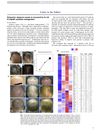
November 2015 in “The Journal of Allergy and Clinical Immunology” Blocking IL-12/IL-23p40 helped reverse severe hair loss in patients.
 63 citations
,
May 2017 in “American Journal of Clinical Dermatology”
63 citations
,
May 2017 in “American Journal of Clinical Dermatology” People with alopecia areata often have lower levels of vitamin D, zinc, and folate, but more research is needed to understand if supplements can help treat it.
 56 citations
,
January 2021 in “Clinical and Experimental Medicine”
56 citations
,
January 2021 in “Clinical and Experimental Medicine” The document concludes that while there are various treatments for Alopecia Areata, there is no cure, and individualized treatment plans are essential due to varying effectiveness.
 53 citations
,
January 2017 in “Skin appendage disorders”
53 citations
,
January 2017 in “Skin appendage disorders” Botulinum toxin shows promise for various skin conditions but requires more research for confirmation and standardized use.
 52 citations
,
March 2010 in “British Journal of Dermatology”
52 citations
,
March 2010 in “British Journal of Dermatology” Alopecia areata shows a unique type 1 interferon signature, suggesting potential treatment by targeting this pathway.
 45 citations
,
December 2014 in “Journal of the European Academy of Dermatology and Venereology”
45 citations
,
December 2014 in “Journal of the European Academy of Dermatology and Venereology” Plasmacytoid dendritic cells are a key factor in causing hair loss in alopecia areata and could help differentiate it from other hair loss conditions.
 44 citations
,
January 2002 in “American Journal of Clinical Dermatology”
44 citations
,
January 2002 in “American Journal of Clinical Dermatology” Skin reactions to antidepressants are common but usually not serious and can be treated.
 42 citations
,
November 2018 in “Archives of dermatological research”
42 citations
,
November 2018 in “Archives of dermatological research” Apremilast was not effective in treating moderate-to-severe alopecia areata.
 38 citations
,
June 2018 in “Plant & cell physiology/Plant and cell physiology”
38 citations
,
June 2018 in “Plant & cell physiology/Plant and cell physiology” Changing the amount of PLC5 in Arabidopsis affects root growth and drought resistance, with less PLC5 slowing root growth and more PLC5 improving drought tolerance but hindering root hair growth.
 36 citations
,
May 2011 in “Dermatologic therapy”
36 citations
,
May 2011 in “Dermatologic therapy” No treatments fully cure or prevent alopecia areata; some help but have side effects or need more research.
 31 citations
,
October 2013 in “Psychosomatics”
31 citations
,
October 2013 in “Psychosomatics” Psychotropic medications can cause skin reactions, including severe conditions like SJS and TEN, and it's important for psychiatrists to recognize and manage these side effects.
 30 citations
,
May 2016 in “Expert Opinion on Biological Therapy”
30 citations
,
May 2016 in “Expert Opinion on Biological Therapy” New treatments targeting immune pathways show promise for severe hair loss but need more research for safety and effectiveness.
 29 citations
,
December 2017 in “International Journal of Dermatology”
29 citations
,
December 2017 in “International Journal of Dermatology” People with alopecia areata often have lower vitamin D levels, which are linked to more severe and longer-lasting hair loss, but vitamin D receptor levels in the skin don't show the same pattern and don't predict treatment success.
 22 citations
,
March 2018 in “American Journal of Clinical Dermatology”
22 citations
,
March 2018 in “American Journal of Clinical Dermatology” New acne treatments show promise as alternatives to traditional therapies.
 14 citations
,
January 2017 in “Annals of Dermatology”
14 citations
,
January 2017 in “Annals of Dermatology” Low-dose methotrexate effectively regrows hair in many alopecia areata patients but can cause some side effects.
 12 citations
,
August 2020 in “JEADV. Journal of the European Academy of Dermatology and Venereology/Journal of the European Academy of Dermatology and Venereology”
12 citations
,
August 2020 in “JEADV. Journal of the European Academy of Dermatology and Venereology/Journal of the European Academy of Dermatology and Venereology” Azathioprine is the most continued treatment for chronic alopecia areata over a year, often with added low-dose prednisolone.
 12 citations
,
June 2003 in “Journal of the European Academy of Dermatology and Venereology”
12 citations
,
June 2003 in “Journal of the European Academy of Dermatology and Venereology” Some psychoactive drugs can cause skin reactions, with carbamazepine having a higher risk, and stopping the drug and seeing a dermatologist is important.
 10 citations
,
May 2024 in “npj Regenerative Medicine”
10 citations
,
May 2024 in “npj Regenerative Medicine” Umbilical cord cells may help delay skin aging.
 9 citations
,
April 2016 in “Australasian journal of dermatology”
9 citations
,
April 2016 in “Australasian journal of dermatology” Combining imiquimod with diphenylcyclopropenone may improve treatment outcomes for alopecia areata patients who don't respond to diphenylcyclopropenone alone.
 8 citations
,
August 2019 in “Dermatologic surgery”
8 citations
,
August 2019 in “Dermatologic surgery” Nonsteroid treatments for alopecia areata show promise but need more high-quality research.
 8 citations
,
April 2015 in “Advances in Psychosomatic Medicine”
8 citations
,
April 2015 in “Advances in Psychosomatic Medicine” Psychotropic medications can cause skin problems but also treat some skin conditions.